




Is Sour Cream Good for Gut Health?
October 05, 2026
October 05, 2026

You’ve just sat down for the ultimate taco night. The shells are crunchy, the seasoning is perfect, and you reach for that cooling dollop of sour cream to tie it all together. But then, a familiar voice in the back of your head starts whispering about the "dairy drama" that usually follows. Within an hour, your jeans feel two sizes too small, and your stomach starts making noises that sound suspiciously like a heavy metal drum solo.
At Zenwise Health, we believe that food should be a source of joy, not a source of anxiety. Our "Zenwise. Then Eat.®" philosophy is all about supporting your gut first so you can enjoy your favorite meals without fear. When it comes to your digestive well-being, the questions surrounding dairy are constant—specifically, is sour cream actually helping your gut, or is it just a delicious distraction?
The short answer is that sour cream can offer some benefits, but it isn't quite the probiotic powerhouse that its cousin, yogurt, is often made out to be. To understand if it belongs in your gut-health routine, we need to look at how it’s made, how it’s processed, and how your unique microbiome responds to it.
Quick Answer: Sour cream can support gut health if it contains "live and active cultures," providing probiotics that aid digestion. However, many commercial versions are pasteurized after fermentation, which kills these beneficial bacteria, making it more of a flavor-boosting garnish than a significant probiotic source.
To understand its impact on your gut, we first have to look at the chemistry of the condiment. Sour cream is created by adding lactic acid bacteria to pasteurized dairy cream. These bacteria are the "workers" of the fermentation process. Fermentation is simply the process where microorganisms like bacteria or yeast break down food components (in this case, the sugars in cream) into other substances like lactic acid.
This acid is what gives sour cream its signature tang and causes the proteins to "clump" together, creating that thick, velvety texture we love on baked potatoes. Historically, fermentation was a way to preserve dairy before refrigeration was common. Today, we value it because of the relationship between fermented foods and the microbiome—the massive community of trillions of bacteria living in your digestive tract.
The bacteria used to "sour" the cream are often strains like Lactococcus lactis. In a perfect world, these bacteria would travel into your gut and join your internal "good guy" army. However, there is a catch in the modern food supply. Most sour cream you find on supermarket shelves is pasteurized a second time after the fermentation is finished.
Pasteurization is a heat-treatment process designed to kill harmful pathogens to ensure food safety. Unfortunately, heat is an equal-opportunity destroyer; it kills the "bad" bacteria, but it also wipes out the "good" probiotics that were created during fermentation. This leaves you with a product that has the flavor of a fermented food but none of the living bacterial benefits.
When we talk about whether something is "good" for the gut, we are usually looking for three things: Does it provide probiotics, does it help with nutrient absorption, and is it easy to digest? Sour cream has a mixed scorecard in these categories.
If you can find a brand that specifically labels its product as having "live and active cultures," or if you make it yourself at home, sour cream can be a source of probiotics. These are live microorganisms that, when consumed in adequate amounts, provide health benefits to the host (that’s you).
Probiotics may help:
For daily digestive and microbiome support, consider Digestive Enzymes.
One of the most overlooked benefits of sour cream is its fat content. While "fat" used to be a dirty word in nutrition, we now know that fat is essential for absorbing certain vitamins. Vitamins A, D, E, and K are fat-soluble, meaning they need a source of fat to be transported and absorbed by your body.
If you add a dollop of sour cream to a nutrient-dense bowl of chili or a salad, the fat in the cream may actually help your body "unlock" more of the vitamins in the vegetables. It’s a literal partner in nutrition.
A daily formula such as Digestive Enzymes is designed to support the digestion of fats and nutrient absorption.
Fat also plays a role in peristalsis—the wave-like muscle contractions that move food through your digestive system. While high-fat meals can sometimes slow digestion down (which can be a problem if you’re already feeling sluggish), a moderate amount of fat helps you feel full and satisfied. This can prevent overeating, which is one of the primary triggers for occasional bloating.
Key Takeaway: Sour cream is a "maybe" for probiotics depending on the brand, but it’s a "yes" for helping your body absorb fat-soluble vitamins from the rest of your meal.
We’ve all been there—the meal was great, but twenty minutes later, your stomach feels like an over-inflated balloon. If sour cream is "fermented," why does it still cause issues for so many people?
The primary culprit is lactose, the natural sugar found in milk and cream. To digest lactose, your body needs an enzyme called lactase. If you don't produce enough of this enzyme, the undigested lactose travels to your colon, where your gut bacteria have a literal "sugar party." The byproduct of this party? Gas, bloating, and urgent trips to the bathroom.
While the fermentation process does break down some of the lactose in sour cream, it doesn't remove all of it. Because sour cream is made from cream (which is higher in fat but lower in lactose than whole milk), some people find they can tolerate a tablespoon or two even if they struggle with a glass of milk. But for others, even a small amount can cause their stomach to become quite dramatic.
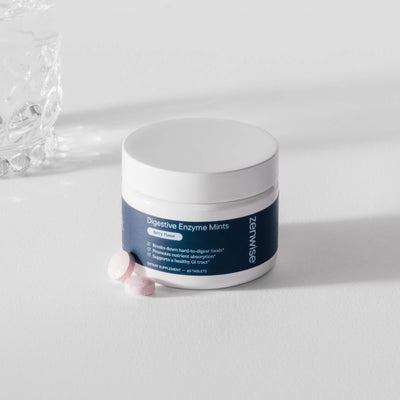
For dairy-related digestive support, Digestive Enzyme Mints offer a chewable, on-the-go option.
Sour cream is high in saturated fat. In small amounts, this is fine for most people. However, if you are having a "nacho extravaganza," the sheer volume of fat can slow down your stomach's emptying process. This can lead to a feeling of heaviness and "food sitting like a rock" in your midsection.
Myth: All sour cream is a probiotic food. Fact: Most commercial sour cream is heat-treated after fermentation, which kills the beneficial bacteria. Unless the label says "live and active cultures," it likely doesn’t have probiotic benefits.
You shouldn't have to choose between a delicious meal and a happy stomach. If you love sour cream but hate the way it makes you feel, there are practical steps you can take to bridge the gap.
Look for the words "Live and Active Cultures." This ensures you are actually getting the probiotic benefits you’re looking for. If the label just says "sour cream" and lists a bunch of thickeners (like guar gum or corn starch), it's likely been heavily processed.
It’s easy to go overboard, but sour cream is meant to be a garnish. A standard serving is about two tablespoons. Keeping your portion size in check can help prevent the "heavy" feeling that comes from too much saturated fat at once.
If dairy is your main trigger, you can support your body's natural digestive process with supplemental enzymes. Our Digestive Enzymes are a 3-in-1 formula designed to help break down fats, proteins, carbohydrates, and fiber.
Specifically, they contain lipases (enzymes that break down fats) and proteases (enzymes that break down proteins). They also feature DE111®, a spore-forming probiotic. Unlike the delicate bacteria in your sour cream, DE111® is clinically shown to survive the harsh, acidic environment of your stomach to reach the small intestine, where it can actually do its work.
Sometimes, despite our best efforts, the "pasta night" or "nacho night" gets the best of us. For those moments when you feel the pressure building, NO BLØAT® can be a helpful companion. It’s designed for fast relief from occasional bloating and gas using a blend of enzymes and botanicals like fennel, dandelion root, and ginger.
Bottom line: Enjoying sour cream is all about choosing the right quality and supporting your system with the right enzymes to handle the dairy and fat content.
If you’re looking for the tangy flavor of sour cream but want a bigger "bang for your buck" in terms of gut health, you might consider these alternatives.
| Feature | Sour Cream | Greek Yogurt | Kefir |
|---|---|---|---|
| Probiotic Count | Low to Medium (brand dependent) | High | Very High |
| Protein Content | Low | High | Medium |
| Fat Content | High | Low to High | Low to Medium |
| Lactose Level | Medium | Low (strained) | Very Low (long fermentation) |
| Primary Use | Garnish/Topping | Snack/Base | Drinkable/Smoothie |
Greek Yogurt is often the best "functional" substitute for sour cream. It’s made by straining out the liquid whey, which removes much of the lactose and concentrates the protein. It has a similar tang and thickness, making it an excellent swap for tacos or baked potatoes.
For easy post-meal support, Digestive Enzyme Mints are designed to be taken without water or pills.
The "Proof Is In The Poop™," as we like to say. How your body handles sour cream is often a reflection of your gut microbiome. If your gut is balanced and diverse, you likely have enough of the right bacteria to help process occasional dairy without a fuss.
However, if your microbiome is out of balance—a state sometimes called dysbiosis—your digestive system may overreact to even small amounts of trigger foods. This is why consistency is so important. Your gut bacteria don't change overnight. They respond to the habits you maintain over weeks and months.
Supporting your gut with a daily routine can make it more resilient. Using a supplement like our Digestive Enzymes regularly provides your system with the tools it needs to process a variety of foods, while the prebiotics in the formula act as "fuel" for your existing good bacteria.
If you want to ensure your sour cream is truly "good" for your gut, making it at home is surprisingly easy. By controlling the fermentation time and avoiding post-fermentation heat, you preserve the maximum amount of live cultures.
How to make it:
This version is much more likely to support your digestive health than the standard tub from the grocery store. Plus, it makes you feel like a culinary scientist, which is a nice bonus.
While sour cream can be a small part of a gut-healthy diet, it’s rarely a "solution" for digestive issues. If you find yourself constantly dealing with gas, bloating, or irregularity, it’s worth looking at your overall routine.
For many women, gut health is also closely tied to vaginal health. Our Women's Probiotics are formulated to support both. They contain specific strains that support the gut flora while also including Cranberry and D-Mannose for urinary tract health. It’s about looking at the whole body, not just the stomach.
Remember, if your digestive symptoms are severe, persistent, or accompanied by pain, it is always important to speak with a healthcare professional to rule out any underlying conditions.
So, is sour cream good for gut health? It’s a bit like that one friend who is great at parties but maybe not the most reliable person to help you move. It adds flavor, helps you absorb vitamins, and can provide some probiotics if you choose the right brand. But it can also bring the unwanted "guests" of lactose and saturated fat to the party.
If you want to enjoy your sour cream without the "dramatic stomach" sequel, remember our core philosophy: "Zenwise. Then Eat.®" By supporting your digestion with the right enzymes and probiotics before you take that first bite, you can turn food back into a source of fuel and fun.
Consistency is the key to a happy gut. Your microbiome thrives on regular support, which is why we recommend building a daily routine. Our Subscribe & Save Digestive Enzymes program offers 15% off your essentials, making it easier to stay consistent and keep your gut—and your taco nights—running smoothly.
No, typically yogurt contains a much higher concentration of probiotics than sour cream. While both are fermented, yogurt is usually processed in a way that preserves more live cultures, whereas many commercial sour creams are re-pasteurized, which kills the beneficial bacteria.
Some people with mild lactose intolerance can handle small amounts of sour cream because the fermentation process reduces the lactose content. However, it still contains dairy, so if you are highly sensitive, it may still cause bloating or gas unless you use a Digestive Enzyme Mints supplement.
Low-fat sour cream may be easier to digest for those who are sensitive to high-fat meals, as fat slows down stomach emptying. However, low-fat versions often contain added thickeners and gums to maintain texture, which can occasionally cause gas in sensitive individuals.
You must check the ingredient label for the phrase "live and active cultures" or look for specific bacterial strains like L. acidophilus listed. If the label doesn't mention live cultures, you should assume the product was pasteurized after fermentation and does not contain living probiotics.
These statements have not been evaluated by the Food and Drug Administration. This product is not intended to diagnose, treat, cure or prevent any disease.
Share this article


