




Is Oatmeal Bad for Gut Health?
August 11, 2026
August 11, 2026

You woke up with the best intentions. You skipped the sugary cereal and the greasy breakfast sandwich, opting instead for a steaming bowl of "heart-healthy" oatmeal. You even topped it with blueberries and a sprinkle of chia seeds. You felt like a gold medalist in the sport of adulting. But then, an hour later, it happened. The bloat. The sudden, unmistakable feeling that your stomach is trying to inflate a balloon inside your favorite pair of jeans. It’s a betrayal of the highest order—when a "superfood" makes you feel like you need a nap and a pair of elastic-waistband sweatpants.
At Zenwise Health, we believe that you shouldn't have to choose between eating healthy and feeling comfortable. Our philosophy, "Zenwise. Then Eat.®," is all about preparing your digestive system so that food becomes a source of fuel and joy, not a source of afternoon anxiety. If you’ve ever found yourself googling whether oatmeal is actually the enemy of your digestive tract, you aren’t alone. The conversation around grains has become confusing, with talk of lectins, phytates, and "anti-nutrients" making even a simple bowl of porridge feel like a dietary minefield.
The short answer is that for the vast majority of people, oatmeal is an incredible asset for gut health, but it does require a bit of understanding to get the most out of it. This article will break down the science of why oatmeal sometimes causes drama, how it actually supports your microbiome, and what you can do to enjoy your breakfast without the bloat.
It seems contradictory that a food praised by nutritionists for decades could cause such immediate discomfort. The reason for this paradox lies in the very thing that makes oatmeal healthy: fiber. Specifically, oats are packed with a type of soluble fiber called beta-glucan.
Beta-glucan is a complex carbohydrate that dissolves in water to form a thick, gel-like substance in your digestive tract. This gel is great for your health—it helps slow down the absorption of sugar and can even help maintain healthy cholesterol levels already within a normal range. However, because it slows things down, it gives your gut bacteria plenty of time to throw a party.
When your gut bacteria ferment this fiber, they produce gas as a byproduct. If your microbiome—the community of trillions of bacteria living in your gut—isn't used to a high volume of fiber, or if you have an imbalance of certain bacteria, that gas can lead to the "oatmeal bloat." It’s not that the oatmeal is "bad"; it’s that your gut's internal processing plant is currently overwhelmed by the raw materials you’ve provided.
Quick Answer: Oatmeal is generally excellent for gut health because it provides prebiotics and soluble fiber. However, it can cause occasional gas and bloating if eaten in large amounts or if your body isn't accustomed to high fiber intake.
If you’ve spent any time on the more "intense" corners of health social media, you’ve likely heard about lectins and phytates. These are often labeled as "anti-nutrients" that supposedly damage the gut lining or prevent nutrient absorption. Let’s bring a little common sense back to the breakfast table.
Lectins are proteins found in many plants, including oats, that can bind to carbohydrates. In their raw, unprocessed state, large amounts of certain lectins can be tough on the digestive system. However, we don't eat raw, dry oats. The process of soaking, fermenting, or cooking oats significantly reduces lectin levels, making them perfectly safe for most people.
Phytates (or phytic acid) are the storage form of phosphorus in seeds and grains. They can bind to minerals like calcium, zinc, and iron, potentially reducing their absorption. While this sounds scary, phytates also have antioxidant properties. Unless your diet consists of only oats and no other nutrient sources, phytates are rarely a concern for the average person eating a balanced diet.
Myth: The lectins in oatmeal cause "leaky gut" and systemic inflammation.
Fact: Cooking and soaking oats neutralizes most lectins. For the vast majority of the population, the prebiotic benefits of oats far outweigh any minor "anti-nutrient" presence.
To understand if oatmeal is working for or against you, you need to know the two types of fiber it brings to the table. Most plants contain a mix of both, but oats are particularly famous for their high concentration of soluble fiber.
Oats provide a beautiful balance of both. By supporting the "broom" and the "gel," oatmeal promotes regularity and keeps things moving along the digestive conveyor belt. When people say "The Proof Is In The Poop™," they are usually talking about the satisfying results of a diet rich in these types of fibers.
The most significant benefit of oatmeal for gut health is its role as a prebiotic. While probiotics are the live, beneficial bacteria themselves, prebiotics are the fiber-rich foods that those bacteria eat. You can take all the probiotics in the world, but if you don't feed them, they won't stick around.
When your gut bacteria feast on the beta-glucan in oats, they produce short-chain fatty acids (SCFAs), such as butyrate. These SCFAs are like high-quality fuel for the cells lining your colon. They help maintain the integrity of the gut barrier and support a healthy inflammatory response in the digestive tract.
By regularly eating oatmeal, you are essentially "fertilizing" your internal garden. You’re encouraging the growth of Lactobacillus and Bifidobacterium, which are the MVPs of a healthy gut microbiome. A diverse, well-fed microbiome is the cornerstone of overall wellness because, as we always say, "The Key To Good Health Is Gut Health.®"
If oatmeal is so great, why does it occasionally feel like a digestive disaster? There are usually three main culprits:
If you go from a low-fiber diet (white toast, processed cereals) to a giant bowl of steel-cut oats overnight, your gut is going to be confused. It doesn't have enough of the specific enzymes or bacteria ready to break down that sudden influx of fiber. This results in fermentation happening too quickly, leading to gas and that "tight" feeling.
Often, it’s not the oats that are the problem—it’s the guest list. If you’re loading your bowl with brown sugar, maple syrup, dried fruits, and sweetened almond milk, you’re introducing a lot of fermentable sugars. These can draw water into the gut and feed the "less friendly" bacteria, leading to more gas.
Not all oats are created equal.
You don't have to give up your morning porridge. You just need to change your approach. Think of it as "training" your gut to handle the fiber.
Step 1: Start Small
Don't start with a massive bowl. Begin with a half-portion and see how your body reacts. You can gradually increase the size over a week or two as your microbiome adjusts.
Step 2: Hydrate, Hydrate, Hydrate
Fiber needs water to do its job. Soluble fiber absorbs water to create that helpful gel. If you eat a lot of fiber but don't drink enough water, that gel can become more like "slug" in your system, leading to constipation rather than regularity.
Step 3: Try Soaking Your Oats
Making "overnight oats" isn't just a Pinterest trend; it’s a digestive strategy. Soaking oats overnight helps break down some of the starches and phytates before they even reach your stomach. This essentially "pre-digests" the meal, making it much easier on your system the next morning.
Step 4: Use Digestive Support
Sometimes, even with the best preparation, your body needs a little extra help breaking down complex fibers and carbohydrates. This is where we come in.
For those times when you know a meal might be "heavy" or if you're prone to that post-oatmeal puffiness, NO BLØAT® is our go-to solution. It’s specifically designed for fast relief from occasional bloating and gas. It features BioCore Optimum Complete enzymes, which help break down the very fibers and starches found in grains like oats. It also contains Dandelion Root, Fennel, and Ginger to help soothe the digestive tract.
For daily maintenance, our Digestive Enzymes are the 3-in-1 core of a healthy routine. They combine a broad spectrum of enzymes with prebiotics and probiotics like DE111®—a spore-forming probiotic that is tough enough to survive the acidic environment of your stomach to reach the gut where it’s needed most.
Key Takeaway: Oatmeal isn't inherently "bad" for your gut; it's a potent prebiotic that requires proper preparation and a gut microbiome that is conditioned to handle fiber.
| Oat Type | Processing Level | Digestion Speed | Best For... |
|---|---|---|---|
| Steel-Cut | Minimal | Slow | Long-lasting fullness and stable blood sugar. |
| Rolled (Old Fashioned) | Moderate | Medium | Versatility and balanced fiber release. |
| Instant / Quick | High | Fast | Convenience, but can cause quicker sugar spikes. |
| Oat Bran | High (Fiber only) | Fast (for fiber) | Adding a massive prebiotic boost to other foods. |
Your body uses specific tools to break down food. These tools are called enzymes. To handle a bowl of oatmeal, your body primarily needs amylase (to break down starches) and cellulase (to break down plant fibers). Humans don't actually produce cellulase naturally, which is why fiber remains mostly intact until it hits the colon.
However, by supplementing with a comprehensive enzyme blend, you can help the process along. Our Digestive Enzymes provide the extra "machinery" needed to disassemble these complex plant structures. When you break down food more efficiently in the upper digestive tract, there is less "unprocessed" material left to ferment excessively in the lower tract. This means less gas, less bloating, and more nutrient absorption.
While oats are generally a gold star food, there are a few scenarios where you should be more mindful:
Gut health isn't a one-and-done situation. You can't eat one bowl of oatmeal and expect a perfect microbiome forever. Consistency is the secret sauce. Your gut bacteria thrive on routine. They like to know what's coming so they can prepare the right enzymes and keep the population balanced.
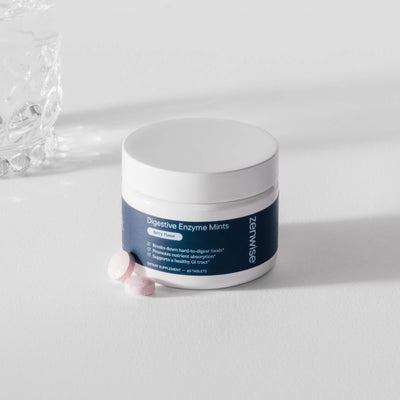
This is why we focus so much on the daily habit. Whether it’s starting your day with our Digestive Enzymes or having our Digestive Enzyme Mints on hand for a tasty, post-meal kickstart to digestion, the goal is to make gut support as effortless as your morning coffee. When you support your gut consistently, you'll find that foods that used to cause "drama" suddenly become much easier to handle.
Is oatmeal bad for gut health? No. In fact, for most of us, it is one of the most cost-effective and powerful ways to support a healthy microbiome, promote regularity, and feed the "good" bacteria that keep us feeling our best. If oatmeal makes you feel bloated, it’s usually just a sign that your digestive system needs a little help—either through better preparation, slower reintroduction, or the support of high-quality enzymes.
Remember, the goal isn't to avoid the foods you love or the foods that are good for you. The goal is to prepare your body so you can enjoy them without the "unbutton-the-pants" aftermath.
By focusing on a consistent routine, you give your gut the time it needs to flourish. The gut microbiome is a living ecosystem that responds to daily care, not occasional intervention. This is why we encourage a long-term approach to wellness.
To make consistency easier, we offer a Subscribe & Save program that gives you 15% off every order. It’s the simplest way to ensure you never run out of the tools you need to keep your digestion on track. Building a healthy gut takes time, and having your Zenwise favorites delivered right to your door ensures you stay on the path to food freedom.
Oatmeal is high in soluble fiber (beta-glucan), which beneficial bacteria in your colon ferment to produce short-chain fatty acids. A byproduct of this fermentation is gas, which can cause bloating if your gut isn't used to the fiber or if the fermentation happens too quickly.
Yes, for many people, soaking oats overnight helps break down starches and reduces phytic acid, which can make the oats gentler on the stomach. It’s essentially a form of pre-digestion that happens in your fridge instead of your gut.
Pure oats do not contain gluten, but they are frequently cross-contaminated in fields or processing plants. If you have a gluten sensitivity, you should only purchase oats that are explicitly labeled as "Certified Gluten-Free" to ensure they are safe.
Try reducing your portion size, drinking more water throughout the day, and avoiding high-sugar toppings. Additionally, taking a digestive enzyme supplement like NO BLØAT® or our daily Digestive Enzymes can help your body break down the complex fibers more efficiently.
These statements have not been evaluated by the Food and Drug Administration. This product is not intended to diagnose, treat, cure or prevent any disease.
Share this article


