




Do Probiotics Reduce Stomach Bloating? The Real Answer
May 11, 2026
May 11, 2026

You’ve just finished a fantastic meal. The conversation is flowing, the mood is right, and then it happens—the "food baby" makes its unwelcome debut. Your waistband feels three sizes too small, and you’re suddenly calculating the quickest route to a pair of sweatpants. We’ve all been there, and let’s be honest: bloating doesn't just feel uncomfortable; it’s a total mood killer.
At Zenwise, we believe that the key to good health is gut health. We want you to enjoy that extra slice of pizza or that big bowl of pasta without the looming fear of digestive drama. Our philosophy is "Zenwise. Then Eat.®" because we know that when your gut is supported, you can focus on the meal in front of you instead of the discomfort that might follow.
If you’ve searched for ways to flatten that post-dinner puffiness, you’ve likely come across our probiotics and gut health guide. But do probiotics reduce stomach bloating effectively, or are they just another health fad? The answer lies in how these tiny microbes interact with your digestive system to keep things moving and balanced.
Before we look at the solution, we need to understand the problem. Bloating is often the result of excess gas trapped in your digestive tract. This gas is usually produced during fermentation, which is the process where bacteria in your gut break down the food you eat.
When your digestion is sluggish, or when you have an imbalance of "good" versus "bad" bacteria, that fermentation process can go into overdrive. Instead of moving through your system efficiently, food sits there, and the bacteria have a literal field day, producing gas as a byproduct. This leads to that tight, heavy, "inflated" feeling in your midsection.
Other common culprits include:
Probiotics are live "friendly" bacteria that, when taken in adequate amounts, provide a health benefit to the host (that’s you!). Think of your gut as a garden. To keep it beautiful, you need a variety of flowers (good bacteria) to crowd out the weeds (bad bacteria).
Quick Answer: Yes, probiotics can help reduce occasional stomach bloating by balancing the gut microbiome, improving the efficiency of digestion, and supporting the breakdown of gas-producing foods.
When you introduce high-quality probiotics into your routine, they help "re-garden" your gut. By increasing the population of beneficial microbes, you make it harder for gas-producing bacteria to take over. This shift can support a more efficient digestive process, meaning food spends less time fermenting in your gut and more time being converted into energy.
A healthy gut is a diverse gut. If your microbiome is "thin" or lacks variety, your body may struggle to process different types of fiber or sugars. This is where probiotics come in. They help diversify your internal ecosystem, which may help your body handle "trigger foods" with more grace and less gas.
If you’ve ever walked down the supplement aisle, you know there are hundreds of options. However, many standard probiotics are quite delicate. They often die off in the harsh, acidic environment of the stomach before they ever reach the small and large intestines where they are needed most.
This is why we focus on spore-forming probiotics like Digestive Enzymes with DE111® support. A spore-forming probiotic is essentially a bacterium that has a naturally protective "shell." This shell allows it to survive the trek through your stomach acid so it can arrive in your gut alive and ready to work.
We include Digestive Enzymes in our core formula because it is clinically shown to support a healthy gut microbiome and promote regularity. Regularity is a fancy way of saying "pooping on a predictable schedule." When your transit time—the time it takes for food to travel from your mouth to the exit—is optimal, there is less opportunity for gas to build up and cause bloating.
While probiotics are fantastic for long-term balance, they aren't the only players in the game. If you want to tackle bloating from every angle, you need to talk about Digestive Enzymes.
Digestive enzymes are specialized proteins that act like tiny scissors, cutting up the food you eat into smaller, absorbable pieces.
If your body doesn’t produce enough of these enzymes, large particles of undigested food reach your colon, where bacteria ferment them. The result? You guessed it—bloating and gas.
By combining enzymes with probiotics and prebiotics (the "food" that probiotics eat), we created a 3-in-1 solution. This approach helps break down food immediately while the probiotics work in the background to maintain long-term harmony. It’s the ultimate tag-team for anyone tired of their stomach being dramatic after every meal.
When people ask, "do probiotics reduce stomach bloating," they are often looking for two different things: immediate relief from a "pasta baby" and a way to stop it from happening every single day.
Sometimes you don't have weeks to wait for your microbiome to balance out. You need to fit into your dress tonight or sit through a four-hour flight without feeling like a human parade float.
For these moments, we designed NO BLØAT®. It’s formulated for fast relief from occasional bloating and gas. It uses BioCore Optimum Complete enzymes alongside herbal support like Dandelion Root, Fennel, and Ginger.
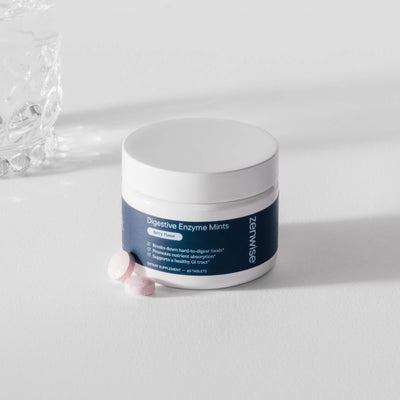
If you find yourself feeling puffy regardless of what you eat, a daily habit is the way to go. This is where a consistent probiotic routine shines. Our Digestive Enzymes are the daily core of a gut-health routine. By taking them once or twice a day, you provide your gut with the steady supply of DE111® and essential enzymes it needs to stay ahead of the bloat.
Key Takeaway: Use herbal-based formulas like NO BLØAT® for immediate, occasional relief, but stick to a daily 3-in-1 enzyme and probiotic supplement for long-term digestive peace and regularity.
For women, bloating isn't always just about the food we eat. Hormonal shifts can impact the gut microbiome and the vaginal microbiome simultaneously.
Our Women’s Probiotics are designed to support this unique connection. Along with gut-friendly strains, this formula includes ingredients like Cranberry and D-Mannose to support urinary tract health. It’s a reminder that everything in our body is connected, and a happy gut often leads to a happier "everything else."
We live in a world of instant gratification, but the gut microbiome is more like a garden than a light switch. You can't plant a seed and expect a tree ten minutes later.
While products like NO BLØAT® or our Papaya Chewables (which kickstart digestion post-meal) can provide quick comfort, the real magic of probiotics happens over time. Most people start to notice a real difference in their "flat-stomach days" after 2 to 4 weeks of consistent use.
Consistency is the secret ingredient. Your gut microbes need a steady supply of reinforcements to maintain their territory against the gas-producers. This is why we always suggest making your gut health routine as automatic as brushing your teeth.
Step 1: Start your morning with a daily probiotic. Take a 3-in-1 formula like our Digestive Enzymes with your first meal of the day. This sets the stage for healthy nutrient absorption and helps manage gas before it starts.
Step 2: Keep "fast relief" options in your bag. Whether it’s NO BLØAT® for a heavy dinner or Papaya Chewables for a quick post-lunch refresh, having a backup plan reduces the anxiety of eating out.
Step 3: Listen to "The Proof Is In The Poop™." Pay attention to your regularity. If you are going daily and feeling "light," your probiotics are doing their job. If things feel stuck, it might be time to increase your hydration or look at your fiber intake.
Step 4: Stick with it for 30 days. Give your microbiome time to shift. The best results come to those who don't skip their daily dose.
There is a lot of misinformation out there, and we’re here to set the record straight with a little "real talk."
Myth: "Probiotics will make me more bloated at first." Fact: For some people, introducing new bacteria can cause a temporary "adjustment period" for a few days. This is usually mild and a sign that your gut environment is changing. Stick with it!
Myth: "I can just eat yogurt and get all the probiotics I need." Fact: While yogurt is great, it often doesn't contain the specific, resilient strains (like spore-formers) or the high CFUs (colony-forming units) needed to make a significant dent in occasional bloating. Plus, many yogurts are loaded with sugar, which can actually feed the gas-producing bacteria you’re trying to avoid.
We love our supplements, but they work best when you give them a helping hand. If you take a probiotic and then bolt down a giant burrito in three minutes while scrolling through stressful emails, your gut is still going to struggle.
To maximize the effects of your probiotics, try these "gut-friendly" habits:
The gut is a dynamic environment. It changes based on what you eat, how much you sleep, and even your stress levels. Because of this, "one-and-done" dosing doesn't really work for long-term bloating support.
When you take your Digestive Enzymes consistently, you are essentially providing a daily "maintenance crew" for your digestive tract. This helps keep the gut barrier strong and the microbial balance in check. Over time, many people find they have more "food freedom"—the ability to enjoy a wider variety of meals without the immediate fear of how their stomach will react.
Bottom line: Probiotics are a powerful tool for reducing occasional stomach bloating, but they work best as a daily foundation combined with targeted enzymes for immediate support.
For some individuals, a brief "adjustment period" may occur as the gut microbiome begins to shift and rebalance. This is usually a temporary reaction to new beneficial bacteria entering the system and typically subsides within a few days as your body adapts.
While many strains are helpful, spore-forming probiotics like Digestive Enzymes are highly effective because they survive stomach acid to reach the gut alive. Strains from the Bifidobacterium and Lactobacillus families are also widely studied for their ability to support smooth digestion and reduce occasional gas.
Results vary, but many people begin to notice an improvement in digestive comfort and regularity within 2 to 4 weeks of daily use. For faster relief from occasional "food-baby" moments, an enzyme-heavy formula like NO BLØAT® may work within hours.
For our 3-in-1 Digestive Enzymes, we recommend taking them right before your meal. This ensures the enzymes are present to help break down food as soon as it hits your stomach, while the probiotics can get to work balancing your gut as the meal is processed.
So, do probiotics reduce stomach bloating? The science (and the satisfied stomachs of our community) says yes. By balancing your "gut garden," supporting regular bathroom habits, and crowding out the gas-producers, probiotics help you get back to the things that matter—like enjoying a meal with friends without having to hide behind a loose sweater.
Remember, your gut thrives on routine. While we offer quick fixes for those "oops, I ate too much" moments, the real transformation happens when you commit to your gut health every single day.
Ready to make peace with your plate? Our Digestive Enzymes Subscribe & Save program is the easiest way to stay consistent. You’ll get 15% off every order, and you’ll never have to worry about running out of your daily digestive support. Consistency is the key to a happy microbiome, and we’re here to help you make it effortless.
Zenwise. Then Eat.® Because life is too short to be afraid of your dinner.
These statements have not been evaluated by the Food and Drug Administration. This product is not intended to diagnose, treat, cure or prevent any disease.
Share this article


