

Is Cabbage Good for Your Gut Health? The Leafy Green Lowdown
January 12, 2026
January 12, 2026

Ever found yourself staring down a plate of vibrant, leafy greens, wondering if they’re truly working wonders or just… working your digestive system? Perhaps a beautiful red cabbage slaw has made an appearance on your plate, only to leave you a few hours later with that familiar, uncomfortable sensation of your jeans feeling just a tad too tight. Digestive discomfort – from occasional bloating and gas to the unwelcome unpredictability of irregularity – is more than just a nuisance; it can cast a shadow over mealtime enjoyment, turning food into a source of anxiety rather than nourishment. We understand that navigating the world of gut health can feel like a maze, filled with conflicting advice and an overwhelming array of "superfoods." But what if one of nature's simplest, most affordable vegetables holds a powerful secret for your digestive well-being?
In this comprehensive guide, we're peeling back the layers on humble cabbage to explore whether it truly lives up to its reputation as a gut health hero. We'll dive into its impressive nutritional profile, uncover the science behind its digestive benefits, and address common concerns like the dreaded "cabbage bloat." Most importantly, we'll equip you with practical strategies to embrace cabbage confidently, transforming it from a potential digestive troublemaker into a cherished ally. Our purpose is to empower you with the knowledge and tools to optimize your gut health, proving that with the right approach, you can truly Zenwise. Then Eat.®, experiencing food freedom and comfort like never before. Because, as we passionately believe, The Key To Good Health Is Gut Health.®
Cabbage, a dense, leafy vegetable that often plays a supporting role in dishes, truly deserves center stage when it comes to discussing digestive health. While it might resemble a head of lettuce, it’s a proud member of the cruciferous vegetable family, putting it in the same league as nutritional heavyweights like broccoli, kale, and Brussels sprouts. Available in a spectrum of colors – green, white, purple, and red – cabbage has graced tables worldwide for thousands of years, forming the backbone of diverse culinary traditions, from the tangy crunch of sauerkraut to the spicy kick of kimchi.
Don't let its humble appearance fool you; cabbage is a nutritional giant, packing a surprising punch of vitamins, minerals, and beneficial compounds while remaining remarkably low in calories. A single cup of raw green cabbage is a testament to this, offering a significant portion of your daily recommended intake for essential nutrients:
This impressive profile makes cabbage a bona fide superfood, often overlooked in favor of more exotic ingredients. But its accessibility and affordability mean that enhancing your diet with powerful nutrients can be a daily, budget-friendly endeavor.
So, beyond the general "it's healthy for you," how exactly does cabbage specifically interact with and benefit your gut? The answers lie in its unique composition, particularly its fiber content and its potential for fermentation.
The fiber in cabbage is perhaps its most celebrated attribute for digestive health, and for good reason. Cabbage provides both insoluble and soluble fiber, each playing distinct, yet equally vital, roles:
Think of it this way: your gut microbiome is a bustling city, and soluble fiber is the nutrient-rich food supply that keeps its most productive citizens (the good bacteria) happy and working hard. These bacteria, in turn, perform essential functions like synthesizing vital nutrients (including certain B vitamins and vitamin K2) and producing short-chain fatty acids (SCFAs) like butyrate, which are crucial for maintaining the integrity of your gut lining and supporting a robust immune system.
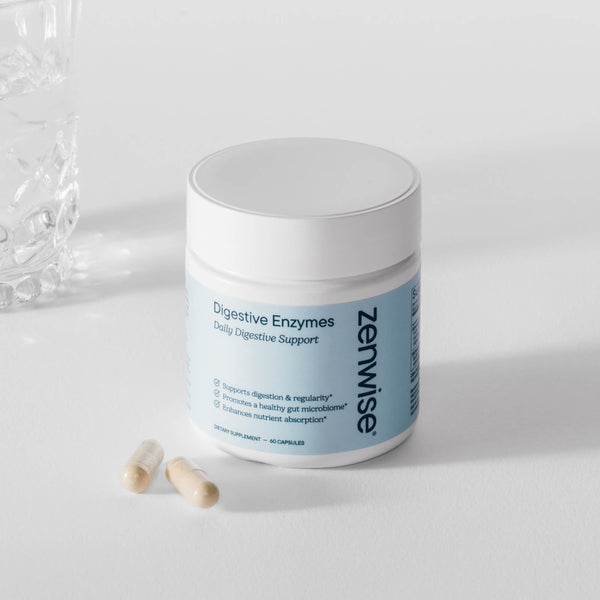
For those struggling with inconsistent bowel movements or seeking to build a stronger internal ecosystem, increasing dietary fiber from sources like cabbage can be profoundly beneficial. And to give your gut an even greater advantage, consider a daily supplement like our Digestive Enzymes. This 3-in-1 solution combines a broad spectrum of enzymes with prebiotics and a powerful spore-forming probiotic, DE111®, to break down fats, carbs, proteins, and fiber more efficiently while simultaneously nourishing and populating your gut with beneficial bacteria. It’s the perfect complement to a fiber-rich diet, ensuring you fully extract the goodness from every meal.
While raw cabbage offers fantastic prebiotic benefits, its fermented forms – primarily sauerkraut and kimchi – take its gut-boosting abilities to a whole new level by introducing live, beneficial bacteria (probiotics) directly into your system.
Fermentation is an ancient preservation method where microorganisms, such as lactic acid bacteria, convert sugars in food into organic acids, gases, and alcohol. In the case of cabbage, this process transforms the vegetable's nutritional profile, creating new beneficial metabolites, including lactic acid and various amino acids. More importantly, it populates the cabbage with a diverse array of probiotic strains.
Recent research highlights the profound impact of fermented cabbage. A University of California, Davis study, for example, demonstrated that sauerkraut helps maintain the integrity of intestinal cells, suggesting a direct protective effect on the gut lining. The study found that fermented cabbage, whether store-bought or lab-made, contained unique metabolites not present in raw cabbage, which were linked to improved gut function and resilience against inflammation.
This is significant because a healthy gut barrier is your body's first line of defense against unwanted substances entering the bloodstream. When this barrier is compromised, it can lead to widespread issues. By consuming fermented cabbage, you're not just adding flavor; you're actively reinforcing your gut's natural defenses and introducing new, powerful allies to your microbiome.
While fermented cabbage is a fantastic occasional addition, consistently delivering a diverse range of high-quality probiotics is vital for long-term gut health. Our Women’s Probiotics, for instance, are specifically designed to support not only gut flora but also vaginal and urinary tract health, containing targeted strains along with Cranberry and D-Mannose for comprehensive female-specific wellness. Pairing fermented foods with a consistent probiotic regimen helps ensure a truly thriving internal environment.
Beyond fiber and probiotics, cabbage contributes significantly to gut health through its rich supply of antioxidants and anti-inflammatory compounds. Chronic inflammation within the digestive tract is a key factor in many forms of gut discomfort and can contribute to broader health concerns. Cabbage is packed with:
These compounds work in concert to protect the delicate cells of the gut lining from oxidative stress and inflammation, supporting its integrity and overall function. A less inflamed gut is a happier gut, leading to greater comfort and improved overall well-being.
It's not just about what you eat, but what you absorb. A healthy gut, supported by adequate fiber and a balanced microbiome, is far more efficient at extracting nutrients from all the foods you consume. Cabbage contributes to this in several ways:
However, sometimes our bodies need a little extra help. Even the healthiest foods require efficient breakdown. This is where our daily Digestive Enzymes become an indispensable partner. Taken before every meal, they provide a full spectrum of enzymes to help your body efficiently dismantle fats, carbs, proteins, and fiber. This ensures you're not just eating well, but also getting the most out of every bite of nutritious foods like cabbage, maximizing the absorption of those precious vitamins and minerals.
While cabbage is undeniably a gut health superstar, it's also notorious for causing digestive discomfort for some individuals. We’ve all been there: that post-meal bloat that makes your jeans feel like a straitjacket, or the unexpected eruption of gas after a seemingly innocent side of coleslaw. There are a few key reasons why this can happen:
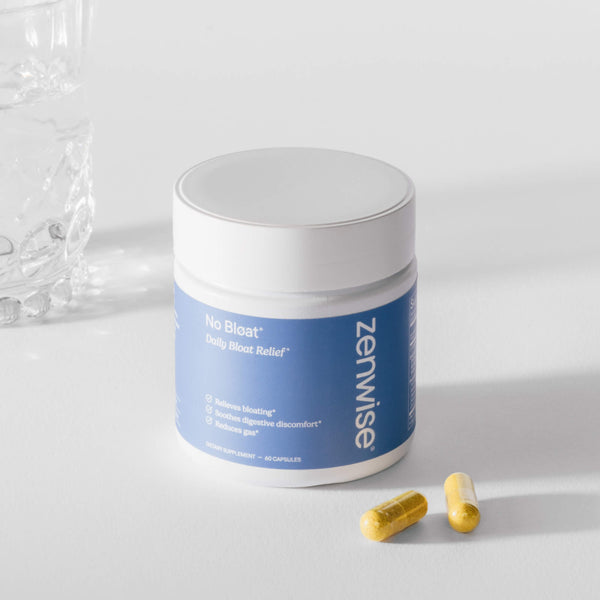
It's crucial to acknowledge these potential downsides to truly embrace cabbage confidently. Our philosophy at Zenwise is about empowering food freedom, not restricting it. For those moments, especially after a hearty meal featuring cruciferous veggies, NO BLØAT® is your crisis management hero. Designed to ease bloat and discomfort within hours, its powerful blend of BioCore Optimum Complete enzymes, Dandelion Root for water retention, Fennel, and Ginger helps you quickly reclaim comfort and flatten your stomach appearance. It’s our way of saying: "Enjoy your food, we've got your back."
One important consideration for some individuals is cabbage's high Vitamin K content. Vitamin K plays a crucial role in blood clotting. Therefore, if you are taking anticoagulant medications (blood thinners) like Warfarin, significant fluctuations in your Vitamin K intake can interfere with the effectiveness of your medication. Always consult with your healthcare provider before making drastic dietary changes, particularly if you are on medication that could be affected.
Now that we’ve explored the multifaceted relationship between cabbage and your gut, let’s talk about how to integrate this versatile vegetable into your daily routine. The beauty of cabbage lies not only in its nutritional value but also in its adaptability in the kitchen.
Both raw and cooked cabbage offer benefits, and the best approach often involves a mix of both, tailored to your digestive comfort:
Embracing cabbage means expanding your culinary horizons and finding preparation methods that work best for your body. For a tasty, effortless way to kickstart digestion after a meal, even a lighter one, consider our Papaya Chewables. These delicious chewables contain Papain and other enzymes to help break down proteins and carbohydrates, reducing post-meal discomfort and helping you feel lighter sooner.
While cabbage is undoubtedly a fantastic ally for gut health, it’s important to remember that no single food is a magic bullet. True digestive wellness comes from a holistic approach that encompasses a diverse diet, a supportive lifestyle, and targeted supplementation when needed.
At Zenwise, we believe in empowering you to achieve food freedom and confident living. That means not just adding good foods, but also ensuring your body is equipped to handle them, and supporting your gut in every way possible.
Sometimes, managing digestive comfort also goes hand-in-hand with managing hunger and cravings. A balanced gut can influence appetite regulation, but sometimes we need a little extra support. Our ZenGLP-1™, for example, naturally helps boost GLP-1, a hormone that signals satiety, helping you feel fuller for longer and supporting healthy blood sugar levels without relying on pharmaceuticals. It's about feeling in control of your body and your relationship with food.
So, is cabbage good for your gut health? The answer is a resounding yes! From its robust fiber content acting as a prebiotic to its potent antioxidants and the probiotic power of its fermented forms, cabbage is a nutrient-dense champion for digestive wellness. It supports regularity, nourishes your gut microbiome, and helps combat inflammation, all contributing to a healthier, happier gut.
However, like any powerful food, it's about understanding how your body interacts with it. By introducing cabbage mindfully, experimenting with cooking methods, and having supportive allies like NO BLØAT® or Digestive Enzymes on hand, you can confidently unlock its vast benefits without the worry of digestive distress. Our mission at Zenwise is to empower you to live your life to the fullest, free from digestive worries, because we truly believe that The Key To Good Health Is Gut Health.®
Ready to embrace confident eating and make gut health a priority? Building a consistent routine is scientifically critical for maintaining a healthy gut microbiome, and we make it easy and affordable. Join the Zenwise family and Subscribe & Save 15% on all your favorite Zenwise products, ensuring you never miss a beat on your journey to optimal digestive health.
Yes, for some individuals, especially those with sensitive digestive systems or when consuming large amounts of raw cabbage, it can cause bloating and gas. This is due to its fiber content and certain fermentable carbohydrates (FODMAPs) that can be difficult for some to digest. Starting with small portions and gradually increasing intake, or opting for cooked and fermented versions, can help minimize these effects.
Both raw and cooked cabbage offer unique benefits. Raw cabbage retains more heat-sensitive nutrients like Vitamin C and natural enzymes. Cooked cabbage, however, is often easier to digest as the cooking process breaks down some of the tougher fibers. Fermented cabbage (like sauerkraut and kimchi) introduces beneficial probiotics. A balanced approach incorporating both raw and cooked, and occasionally fermented, cabbage is often best for comprehensive gut health.
There's no one-size-fits-all answer, as individual tolerance varies. If you're new to cabbage, start with a small serving, perhaps ¼ to ½ cup, and see how your body reacts. Gradually increase the amount based on your comfort level. For general health benefits, including a serving of cabbage a few times a week as part of a diverse diet is a good goal. Listen to your body and adjust accordingly.
Raw cabbage primarily provides dietary fiber (acting as a prebiotic to feed beneficial gut bacteria) and a wealth of vitamins, minerals, and antioxidants. Fermented cabbage, on the other hand, not only retains many of these benefits but also introduces live, beneficial bacteria (probiotics) directly into your gut. The fermentation process can also create new beneficial metabolites and may make the cabbage easier to digest for some.
These statements have not been evaluated by the Food and Drug Administration. This product is not intended to diagnose, treat, cure or prevent any disease.
Share this article