




Which Enzymes Help in the Digestion of Proteins?
February 09, 2026
February 09, 2026

You’ve just finished a delicious, protein-packed dinner—perhaps a lean steak, a hearty bowl of lentils, or a grilled salmon fillet. But instead of feeling fueled and ready to take on the world, you feel like you’ve swallowed a lead balloon. Your jeans are suddenly a size too small, and that familiar, uncomfortable tightness begins to creep in. We’ve all been there, and it’s often a sign that your body is working overtime to break down those complex protein structures.
Understanding which enzymes help in the digestion of proteins is more than just a biology lesson; it’s a roadmap to reclaiming your "food freedom." When your digestive system lacks the necessary tools to dismantle protein into its usable building blocks, the result is often occasional bloating, gas, and that sluggish "heavy" feeling. At Zenwise®, we believe that you shouldn't have to fear your favorite meals. Our goal is to bridge the gap between complex science and your daily comfort.
This post will explore the specific enzymes responsible for protein breakdown, how your body utilizes them, and how you can support your gut to ensure that every meal is an opportunity for nourishment, not discomfort. By focusing on the foundational principle that The Key To Good Health Is Gut Health.®, we can move toward a lifestyle where you simply Zenwise. Then Eat.®
Digestion is a high-stakes relay race. It begins the moment you smell food, as your brain signals your salivary glands to start producing enzymes. However, protein digestion is unique because it doesn't really get its "big break" until it hits the stomach. While carbohydrates start breaking down in the mouth via salivary amylase, proteins remain largely intact until they reach the highly acidic environment of your gastric chamber.
Before enzymes can do their work, mechanical digestion must occur. This is where you come in. Chewing your food thoroughly—a process called mastication—increases the surface area of the protein, allowing your digestive juices to penetrate more effectively. Once you swallow, the food bolus travels to the stomach, where the real chemical magic begins.
In the stomach, hydrochloric acid (HCl) acts as the catalyst. It’s not an enzyme itself, but it creates the low-pH environment (around 1.5 to 2.0) required to activate the "master" protein enzyme. This environment is essential; without it, the enzymes that help in the digestion of proteins would remain dormant, leaving that chicken breast to sit like a stone in your gut.
The first major player in the protein-digesting lineup is Pepsin. Produced by the chief cells in your stomach lining, it is originally released as an inactive precursor called pepsinogen. This is a brilliant safety feature of the human body; if pepsin were always active, it would digest the very cells that create it!
When pepsinogen meets the acidic HCl, it transforms into active pepsin. This enzyme is an endopeptidase, meaning it snips the long, complex chains of proteins (polypeptides) into smaller fragments called peptides. While pepsin is powerful, it doesn't finish the job. It merely prepares the protein for the next stage of the journey in the small intestine.
As the partially digested food (now called chyme) moves from the stomach into the small intestine, the pancreas steps up to the plate. The pancreas is truly the "enzyme powerhouse" of the body. It secretes a cocktail of enzymes that are specifically designed to finish what pepsin started.
If you are looking for daily maintenance to support this transition, our Digestive Enzymes are a 3-in-1 solution that includes a robust blend of these critical enzymes, prebiotics, and probiotics.
These two enzymes are the heavy hitters of the small intestine. Like pepsin, they are released in inactive forms (trypsinogen and chymotrypsinogen) to prevent the pancreas from digesting itself. Once they reach the duodenum (the first part of the small intestine), they are activated and begin breaking down peptides into even smaller chains.
These enzymes refine the process further. Carboxypeptidase "nibbles" at the ends of the protein chains, releasing individual amino acids one by one. Elastase, meanwhile, specializes in breaking down elastin and other sturdy proteins found in meats. Together, this enzymatic team ensures that the protein you eat is reduced to amino acids—the "bricks" your body needs to build muscle, repair tissue, and support immune function.
In a perfect world, our bodies would produce a never-ending supply of these enzymes. However, the "Symptom-Aware Optimizer" knows that life often gets in the way. Several factors can lead to a decrease in natural enzyme production:
When enzyme production dips, you might notice that The Proof Is In The Poop™. Irregularity, oily stools, or undigested food particles are all signs that your protein-digesting machinery needs a tune-up.
We’ve all had those moments—a celebratory dinner, a holiday feast, or a "cheat meal" that leaves you feeling more like a balloon than a human. When you know you’re about to indulge in a meal that is heavy on proteins and fats, you need more than just standard support; you need a lifestyle hero.
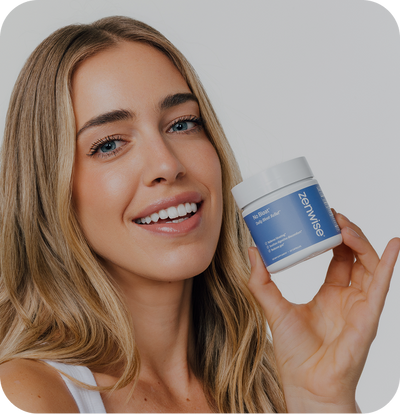
For these specific moments of "crisis management," we recommend keeping No Bloat Capsules in your bag. This formula is designed for fast relief. It features BioCore Optimum Complete, a specialized blend of enzymes that targets the breakdown of proteins, carbs, and fats within hours.
But it doesn't stop at enzymes. We’ve added Dandelion Root to help with water retention (the "puffiness" factor), along with Fennel and Ginger to soothe the digestive tract and reduce gas. It’s the perfect companion for the person who loves food but hates the "pasta belly" aftermath.
When you look at a supplement label, you will most likely see the word Protease. This is the general term for any enzyme that helps in the digestion of proteins. However, not all proteases are created equal. Some are derived from animals (like pepsin), while others come from plants or microbial sources.
Nature has provided us with some incredible digestive aids. Bromelain, found in pineapples, and Papain, found in papayas, are both potent proteolytic enzymes. They are particularly effective because they can function in a wide range of pH levels, making them helpful in both the stomach and the small intestine.
If you’re looking for a quick, tasty way to kickstart your digestion after a meal, our Papaya Chewables are an effortless solution. They provide the natural power of papain in a convenient form that reduces post-meal discomfort and helps you feel lighter, faster.
While enzymes do the heavy lifting of breaking food down, they don't work in a vacuum. A healthy gut microbiome—the trillions of bacteria living in your digestive tract—supports the environment where enzymes thrive.
This is why our core Digestive Enzymes include DE111®. This is a spore-forming probiotic that is clinically studied for its ability to survive the harsh, acidic environment of the stomach. Once it reaches the small intestine, it helps maintain a healthy balance of gut flora.
A balanced microbiome can actually help "pre-digest" certain fibers and proteins, reducing the load on your pancreas and making the entire process smoother. It’s all about creating a partnership between your enzymes and your bacteria.
Digestive health is rarely just about the gut, especially for women. There is a delicate link between the gut microbiome and other areas of health, including vaginal and urinary tract wellness. When the gut is out of balance, it can often manifest in other ways.
Our Women’s Probiotics are formulated with this specific synergy in mind. While they support healthy digestion and regularity, they also include Cranberry and D-Mannose to support urinary tract health and specific probiotic strains to maintain healthy vaginal flora. It’s a comprehensive approach for the woman who wants to feel balanced from the inside out.
While supplementation is a powerful tool, it works best when combined with smart lifestyle habits. Here is how you can optimize your protein intake today:
Consistency is key. Taking your enzymes 15 to 30 minutes before your largest meal of the day sets the stage for success. It ensures that the enzymes are present and ready to go the moment the first bite of protein hits your stomach.
Your body can only process a certain amount of protein at once. Instead of trying to hit your entire daily protein goal in one sitting (hello, 16oz steak!), try to spread your protein intake across three or four smaller meals. This gives your enzymes a manageable workload.
Water is essential for digestion, but drinking a gallon of water during a meal can dilute your stomach acid and enzymes. Aim to hydrate throughout the day, but limit your intake to small sips during the actual meal.
A tablespoon of ACV in a small glass of water before a meal can help lower the pH of the stomach, making it easier for pepsin to activate and begin the protein breakdown process.
We often get asked how long it takes to "fix" a gut issue. The truth is, your microbiome is a living, breathing ecosystem that requires daily care. This isn't about a "one-and-done" fix; it’s about a commitment to your long-term wellness.
To make this commitment easier, we offer a Subscribe & Save program. By subscribing, you not only ensure that you never run out of your favorite Zenwise Health products, but you also save 15% off every order.
At a price point typically between $19–$25, this is an accessible way to invest in your health without the need for expensive clinical interventions. Consistency is what allows the probiotics like DE111® to truly colonize and provide the lasting support your gut deserves.
Protein is essential for life, but it shouldn't be a source of daily dread. By understanding which enzymes help in the digestion of proteins—from the pepsin in your stomach to the proteases in your small intestine—you can take control of your digestive health.
Whether you need the daily maintenance of our Digestive Enzymes or the fast-acting relief of No Bloat Capsules, Zenwise® is here to partner with you on your journey. We believe that when your gut is healthy, you feel more confident, more comfortable, and more like yourself.
So, the next time you sit down to a high-protein meal, remember the mantra: Zenwise. Then Eat.® Your gut (and your favorite pair of jeans) will thank you.
While several enzymes work together, Pepsin is the primary enzyme that initiates protein digestion in the stomach. However, Protease (specifically trypsin and chymotrypsin) is responsible for the majority of the breakdown in the small intestine, where absorption occurs.
Yes! Foods like pineapple (bromelain), papaya (papain), ginger, and fermented foods like kimchi or sauerkraut contain natural enzymes that can support the digestive process. However, many people find that a concentrated supplement is necessary to see a significant reduction in occasional bloating and gas.
Protein shakes often contain high concentrations of whey or casein, which are complex milk proteins. If your body doesn't produce enough protease to break down these specific proteins, they can ferment in the gut, leading to gas and bloating. Using Digestive Enzymes before your shake can help facilitate a smoother breakdown.
For most healthy adults, daily use of digestive enzymes is a safe and effective way to support regularity and nutrient absorption. Consistency is actually beneficial, as it helps maintain a steady supply of enzymes to match your dietary intake. As always, if you have a specific medical condition, it's best to consult with a healthcare professional.
These statements have not been evaluated by the Food and Drug Administration. This product is not intended to diagnose, treat, cure or prevent any disease.



