



Which Enzyme Helps the Digestion of Proteins?
February 04, 2026
#1 Digestive Enzymes Best Seller + 3 FREE Gifts 🎁
#1 Digestive Enzymes Best Seller + 3 FREE Gifts 🎁 Learn More
February 04, 2026

We’ve all been there: you’re sitting at a beautiful dinner, perhaps a celebratory steakhouse night or a backyard BBQ with friends. The food looks incredible, the company is even better, but in the back of your mind, there’s a familiar sense of "menu anxiety." You know that a high-protein meal often leads to that uncomfortable "heavy" feeling, the kind that makes you want to secretly unbutton your jeans under the table. This isn't just a "food coma"—it’s your digestive system signaling that it’s struggling to keep up with the workload.
Understanding the mechanics of your gut is the first step toward reclaiming your food freedom. If you’ve ever wondered which enzyme helps the digestion of proteins, you’re already on the right track. Digestion isn't just about what happens in your mouth; it’s a complex chemical dance that relies on specific biological catalysts to turn that steak, tofu, or protein shake into the fuel your body needs to thrive.
In this guide, we will dive deep into the world of proteolytic enzymes—the specialized workers responsible for breaking down proteins. We’ll explore how they work, where they come from, and why a deficiency can lead to the gas, bloating, and irregularity that dampen your day. Most importantly, we’ll show you how to support your system so you can stop worrying about the aftermath of your meals. At Zenwise®, we believe that The Key To Good Health Is Gut Health.® Our goal is to help you understand your body’s needs so you can simply Zenwise. Then Eat.®
Before we identify the specific players, let’s talk about the team. Enzymes are specialized proteins that act as catalysts for biochemical reactions. Without them, the process of breaking down food would happen so slowly that our bodies wouldn't be able to survive. Think of enzymes as the "scissors" of the digestive tract.
When we eat, we consume large, complex molecules (polymers). Our bodies cannot absorb these giant structures directly into the bloodstream. Instead, they must be snipped into smaller, manageable units (monomers). For carbohydrates, the end goal is simple sugars like glucose. For fats, it’s fatty acids and glycerol. But for proteins, the target is amino acids.
Protein is the building block of life. It’s essential for muscle repair, hormone production, and immune function. However, protein molecules are notoriously "tough" and complex, requiring a specific set of tools to dismantle them. This is where the proteolytic enzymes, or proteases, come into play.
The short answer is that there isn't just one; there is a specialized team. However, if you are looking for the primary category, it is protease.
Protease is the general term for any enzyme that performs proteolysis—the breakdown of proteins into smaller polypeptides or amino acids. In the human body, this process is a multi-stage relay race that starts in the stomach and finishes in the small intestine.
The journey of protein digestion truly begins in the stomach. While your saliva contains amylase to start breaking down carbs, it doesn't do much for protein. Once your "food bolus" hits the stomach, your gastric glands release a proenzyme called pepsinogen.
On its own, pepsinogen is inactive. It needs a "spark" to turn into its active form, pepsin. That spark is provided by hydrochloric acid (HCl). This highly acidic environment (usually a pH of 1.5 to 2.5) allows pepsin to begin snipping the long chains of amino acids into shorter fragments called peptides.
As the partially digested food (now called chyme) moves from the stomach into the small intestine, the environment shifts from acidic to slightly alkaline. Pepsin stops working here, but the relay continues. Your pancreas secretes its own set of proteases into the small intestine, the most notable being trypsin and chymotrypsin.
These enzymes are incredibly efficient. They take those peptide fragments created by pepsin and break them down even further. Finally, enzymes on the "brush border" of the small intestine finish the job, leaving you with individual amino acids that can finally cross into your bloodstream.
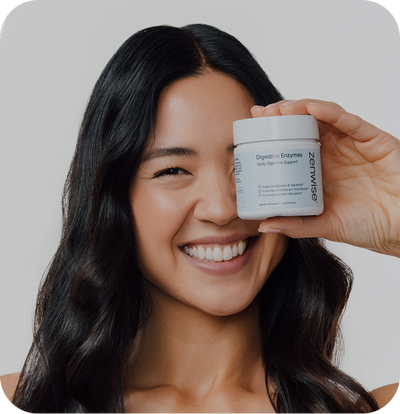
For those who find that high-protein meals or dairy (which contains proteins like whey and casein) consistently cause trouble, it’s often because this relay race is being interrupted. Integrating a comprehensive supplement like our Digestive Enzymes can provide the supplemental protease needed to ensure the "scissors" are always sharp and ready to work.
What happens when the "scissors" go dull? When your body doesn't produce enough protease—or when the enzymes aren't functioning optimally due to age, stress, or diet—protein digestion becomes sluggish.
Undigested protein doesn't just sit there; it travels further down the digestive tract than it should. When it reaches the large intestine, your gut bacteria begin to ferment it. This process, known as putrefaction, can lead to:
At Zenwise®, we like to say "The Proof Is In The Poop™." If your bathroom habits are inconsistent or your stools contain visible undigested food particles, it’s a clear sign that your internal enzyme factory might need a little help.
Life isn't lived in a lab; it’s lived at dinner parties, on vacations, and during busy work weeks. Let’s look at how understanding protein-digesting enzymes can help you navigate common lifestyle challenges.
You’re at a wedding, and the plate is loaded with roast beef, a side of creamy pasta, and a rich dessert. This is a "triple threat" for your gut: heavy proteins, complex carbs, and dairy. For the person who loves a full culinary experience but hates the "brick in the stomach" feeling afterward, our daily Digestive Enzymes are the perfect pre-meal companion.
This 3-in-1 formula doesn't just provide protease for that roast beef; it includes a full spectrum of enzymes to handle the fats and carbs, along with prebiotics and our hardy DE111® probiotic. Unlike many fragile probiotics, DE111® is spore-forming, meaning it’s built to survive the harsh acidic environment of your stomach so it can actually reach your small intestine to do its job.
We’ve all had those moments where we ate a bit too much or a bit too fast, and the pressure in our midsection starts to build. You can feel your waistband tightening by the minute. In these moments of "crisis management," you need fast-acting support.
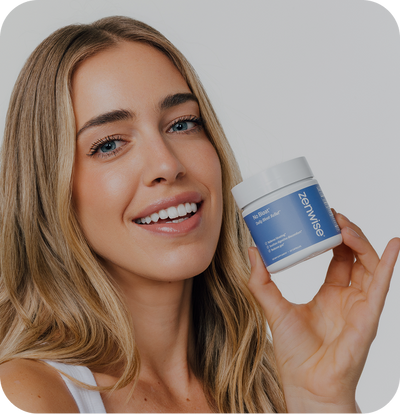
Our No Bloat Capsules are designed for this exact situation. While our standard enzymes provide daily maintenance, NO BLØAT® acts as a lifestyle hero. It combines BioCore® Optimum Complete (a high-potency enzyme blend) with botanical heavyweights like Dandelion Root, Fennel, and Ginger. These ingredients work together to ease gas and reduce water retention, helping you feel like yourself again within hours rather than days.
For women, digestive health is often intricately linked to other aspects of wellness, including vaginal and urinary tract health. If you are focused on optimizing your protein intake for fitness but find that it's throwing your system out of balance, you might need a more targeted approach. Our Women’s Probiotics provide a blend of gut-friendly bacteria along with Cranberry and D-Mannose. This ensures that while you’re supporting your protein metabolism, you’re also maintaining a healthy microbiome from top to bottom.
While supplements are an incredibly effective way to ensure consistent enzyme levels, you can also support your protein digestion through your diet. Several fruits contain natural proteases that can "pre-digest" proteins or assist your body’s natural processes:
For an effortless post-meal boost, many of our customers keep Papaya Chewables in their bag. They are a tasty, convenient way to kickstart the digestion process right after you finish your last bite, ensuring that the "heaviness" never has a chance to set in.
In the world of supplements, not all enzymes are created equal. Many over-the-counter options use low concentrations of enzymes or omit the specific strains needed for complex proteins like gluten or casein.
At Zenwise Health, we bridge the gap between clinical science and everyday wellness. We don't believe in "one size fits all" solutions. That’s why we focus on multi-enzyme blends. By providing a broad spectrum of proteases, we ensure that whether you're eating a plant-based pea protein or a whey-based shake, your body has the specific "scissors" it needs.
Furthermore, we understand that consistency is the foundation of a healthy gut. Your microbiome—the trillions of bacteria living in your gut—thrives on routine. When you skip your enzymes or probiotics, those "good" bacteria can struggle to maintain their dominance over the "bad" gas-producing bacteria.
This is why we offer a Subscribe & Save model. By choosing to subscribe, you not only get 15% off every order, but you also ensure that you never run out of your gut-health essentials. It makes the products affordable—often costing less than a single fancy coffee per week—while providing the scientific consistency your microbiome craves.
While adding the right enzymes is a game-changer, you can further optimize your results with a few simple lifestyle shifts:
It sounds simple, but most of us inhale our food. Digestion begins with mechanical breakdown. The more you chew, the more surface area you create for enzymes like pepsin and trypsin to attach to. Aim for 20 to 30 chews per bite—especially when eating dense proteins like steak or chicken.
While hydration is vital, drinking massive amounts of ice-cold water during a heavy protein meal can dilute your stomach’s hydrochloric acid. Remember, pepsin needs that acid to wake up! Try to sip room-temperature water during meals and save the heavy hydration for between meals.
Your body has two main modes: "Fight or Flight" (Sympathetic) and "Rest and Digest" (Parasympathetic). If you’re eating while stressed, scrolling through emails, or rushing between meetings, your body isn't prioritizing enzyme production. Take three deep breaths before your first bite to tell your nervous system it’s time to focus on the gut.
Enzymes work best in a healthy gut environment. This means feeding your "good" bacteria with fiber (prebiotics) and supplementing with high-quality probiotics. Our Digestive Enzymes simplify this by including all three components in one capsule.
We often talk about enzymes in the context of avoiding gas or bloating, but the impact goes much deeper. When you effectively digest proteins into amino acids, you are providing the raw materials for:
By focusing on which enzyme helps the digestion of proteins, you aren't just solving a "tummy ache"; you are investing in your long-term vitality.
One common question we receive is: "Which one do I need?"
Think of Digestive Enzymes as your daily multivitamin for the gut. You take them before your largest meals every day to maintain regularity, support nutrient absorption, and prevent issues before they start. It’s about building a resilient foundation.
Think of No Bloat Capsules as your "in case of emergency" tool. Maybe you’re traveling and eating foods you aren't used to, or maybe you’re having a "cheat day" with friends. NO BLØAT® provides a higher concentration of certain enzymes and botanicals to provide fast, hours-not-days relief from occasional discomfort.
Both have a place in a well-rounded wellness cabinet. In fact, many Zenwise® customers use the daily enzymes for breakfast and lunch and keep NO BLØAT® handy for those heavy, unpredictable dinners.
Understanding which enzyme helps the digestion of proteins is a powerful piece of the wellness puzzle. Whether it’s the pepsin in your stomach or the trypsin and chymotrypsin from your pancreas, these proteolytic enzymes are the unsung heroes of your health. When they are working optimally, you feel light, energized, and confident. When they are struggling, life becomes a series of "bathroom checks" and uncomfortable bloating.
At Zenwise®, we are committed to helping you bridge the gap between how you feel now and how you could feel. By combining the best of clinical science—like our spore-forming DE111®—with the best of nature—like ginger, fennel, and papaya—we provide tools that work with your body’s natural rhythm.
Remember, you aren't just what you eat; you are what you absorb. Don't let your nutrition go to waste because of a lack of enzymes. Take control of your gut health today, so you can focus on the things that matter most.
Ready to make gut health a permanent part of your lifestyle? Subscribe & Save today to get 15% off your order and ensure that your digestive system always has the support it needs. Join the thousands of people who have discovered that with the right support, they can finally Zenwise. Then Eat.®
Q: Can I get enough protein-digesting enzymes from food alone? A: While foods like papaya, pineapple, and ginger provide natural proteases, it can be difficult to consume them in high enough quantities—and at the right time (during a meal)—to handle a large protein load. Supplements provide a concentrated, standardized dose of enzymes like protease to ensure consistent results regardless of what’s on your plate.
Q: If I take enzyme supplements, will my body stop making its own? A: This is a common concern, but there is no scientific evidence to suggest that supplemental enzymes cause "lazy gut" or shut down your body’s natural production. Instead, they act as a supportive "assist," much like how a pair of glasses helps your eyes without making them stop working. They simply help your body process food more efficiently.
Q: How long does it take for enzymes like NO BLØAT® to work? A: Our No Bloat Capsules are designed for fast relief, typically within hours of consumption. Because they include digestive enzymes and botanicals like dandelion root and fennel, they address both the chemical breakdown of food and the physical symptoms of gas and water retention simultaneously.
Q: Are these enzymes safe to take every day? A: Yes! Our Digestive Enzymes are formulated for daily use. In fact, consistency is key to seeing the best results for regularity and long-term gut microbiome health. Taking them before your largest meals every day helps prevent the "bottleneck" of undigested food that leads to occasional bloating and gas.
These statements have not been evaluated by the Food and Drug Administration. This product is not intended to diagnose, treat, cure or prevent any disease.
Share this article


