




Which Enzyme Digests Protein in the Stomach? Your Gut Guide
February 16, 2026
February 16, 2026

We’ve all been there: You’re sitting at a restaurant, eyeing the 12-ounce ribeye or that artisanal double-patty burger, but a small voice in the back of your mind is already whispering about the "aftermath." You know the feeling—that heavy, "I swallowed a brick" sensation that makes you want to unbutton your pants before the check even arrives. This "menu anxiety" isn't just about calories; it’s about whether your digestive system is actually up to the task of processing that protein-heavy feast.
Understanding how your body handles that steak (or those lentils) starts with one very specific question: Which enzyme digests protein in the stomach? While your body is a complex factory of chemical reactions, the star of the show in your gastric "acid pit" is an enzyme called pepsin.
In this deep dive, we’re going to explore the fascinating world of protein digestion, the mechanics of how your stomach breaks down large molecules into usable energy, and why things sometimes go sideways, leading to that dreaded post-meal bloat. Most importantly, we’ll look at how you can support your system so you can get back to the "Zenwise. Then Eat.®" lifestyle—where you enjoy your food without the digestive drama. We believe that The Key To Good Health Is Gut Health.®, and that journey starts with knowing how your enzymes work for you.
When you take a bite of protein, whether it’s a piece of chicken, a spoonful of Greek yogurt, or a protein-packed plant bowl, your body begins a high-stakes demolition project. The goal is to turn those complex protein structures—which are basically long chains of amino acids—into tiny pieces that your small intestine can actually absorb.
While some digestion begins in the mouth (thanks to chewing and saliva), the real "chemical warfare" against protein happens in the stomach. The primary enzyme responsible for this is pepsin.
Interestingly, your stomach doesn't just store active pepsin. If it did, the enzyme would start digesting the stomach lining itself (which is also made of protein). Instead, your stomach is much smarter.
Once active, pepsin acts as an endopeptidase. This means it doesn't just nibble at the ends of the protein chain; it dives into the middle and starts snipping the bonds between amino acids, particularly favoring those like phenylalanine and tyrosine. This process creates smaller fragments called peptides.
If pepsin is so great at its job, why do we still end up feeling like a balloon after a high-protein meal? The reality is that our "internal factory" isn't always running at 100% efficiency. Several factors can throw a wrench in the gears of protein breakdown:
When protein isn't broken down properly in the stomach, it moves into the intestines in a state that’s "too big" to be absorbed. This is where the trouble starts. Undigested food becomes a feast for "bad" bacteria, leading to fermentation, gas, and that uncomfortable distension. To keep things moving smoothly, many people turn to Digestive Enzymes as a daily core maintenance tool to ensure they have the backup they need before the first bite.
To understand why we need these enzymes, we have to look at the chemistry. Proteins are "polymers," which is just a fancy way of saying they are large molecules made of repeating units (amino acids). Your body cannot use a polymer. It needs "monomers"—the individual amino acids—to repair your muscles, support your skin, and keep your hair looking great.
Pepsin’s job is the first major step in this "de-polymerization." By breaking the long chains into smaller peptides, pepsin prepares the food for the next stage in the small intestine, where other enzymes like trypsin and chymotrypsin (produced by the pancreas) finish the job.
But here’s the kicker: digestion isn't just about the enzymes. It’s about the environment. If your gut microbiome is out of whack, even the best enzymes might struggle. This is why we advocate for a "3-in-1" approach. Our Digestive Enzymes don't just provide a broad-spectrum enzyme blend (including proteases for protein); they also include prebiotics and probiotics like DE111®.
DE111® is a spore-forming probiotic (Bacillus subtilis) that is clinically studied for its ability to survive the harsh, acidic environment of the stomach. While pepsin is busy breaking down protein in that acid bath, DE111® passes through safely to support a healthy gut flora in the intestines. It’s all about teamwork.
Imagine it’s Sunday evening. You’ve just finished a large meal featuring a hearty portion of beef, some buttery mashed potatoes, and a side of broccoli.
In this scenario, taking Digestive Enzymes before you eat provides a supplemental boost of Protease (the lab-grown equivalent of the protein-digesting enzymes) to help your natural pepsin get the job done. It’s like bringing extra workers to a construction site—everything gets finished faster and with less mess.
Sometimes, despite our best intentions, we find ourselves in a "digestive crisis." Maybe you traveled and ate "airport food," or perhaps you succumbed to the siren call of a late-night pizza. When your clothes feel too tight and you need relief within hours, not days, that’s when you need a lifestyle hero.
Our No Bloat Capsules are designed for exactly these moments. While daily enzymes are about maintenance, NO BLØAT® is about fast-acting relief.
It utilizes a specialized blend called BioCore Optimum Complete, which is a powerhouse of enzymes that target the specific triggers of gas and discomfort. But it goes a step further by including botanicals:
For the person who loves a good "cheat meal" but hates the "food baby" that follows, keeping a bottle of No Bloat Capsules in your bag is a game-changer. It’s about food freedom—the confidence to eat what you love and still feel like yourself afterward.
It’s no secret that women often experience digestive issues differently. Hormonal fluctuations can impact gut motility, leading to occasional regularity issues and bloating that feels distinct from "just eating too much."
Furthermore, the gut microbiome is inextricably linked to other areas of health, including vaginal and urinary tract wellness. For women looking to support their "down there" health while also tackling gut issues, we developed Women’s Probiotics.
This formula doesn't just stop at the gut. It includes:
If you’re a woman who finds that your digestive discomfort often coincides with your cycle, or if you simply want a comprehensive approach to female wellness, Women’s Probiotics provide that targeted support. Because let’s be honest: when your gut feels good, everything else feels a lot more manageable.
Not everyone wants to swallow a capsule after every meal. Sometimes, you just want a little "kickstart" for your digestion that feels more like a treat than a supplement.
Our Papaya Chewables are the perfect post-meal companion. Papaya naturally contains papain, which is another type of protease (protein-digesting enzyme).
While pepsin is doing the heavy lifting in your stomach's acidic environment, papain provides an extra layer of support. These chewables are effortless and tasty, making them ideal for keeping in your car or desk drawer. They help reduce that post-meal "slump" and get the digestive process moving before you even leave the table. Plus, they’re a favorite for those who prefer a more "lifestyle-friendly" way to manage their gut health.
Next time you finish a lunch that feels a little too heavy, pop a couple of Papaya Chewables and let the natural power of fruit enzymes go to work.
We like to say that "The Proof Is In The Poop™" because your bathroom habits are the ultimate report card for your digestive health. Regularity, comfort, and the absence of gas are all signs that your enzymes (like pepsin) and your microbiome are working in harmony.
But here’s the thing: gut health isn't a "one and done" situation. Your microbiome is a living, breathing ecosystem that requires consistent care. Scientific research shows that the most significant benefits for gut health come from a daily routine. This is why we are so passionate about our Subscribe & Save program.
When you choose to Subscribe & Save, you aren't just getting 15% off your order (though that’s a pretty great perk). You’re ensuring that you never have a "gap" in your gut support.
Whether you’re relying on Digestive Enzymes for daily protein breakdown or Women’s Probiotics for total-body balance, staying consistent is the secret to moving from "surviving" to "thriving."
While we’ve focused heavily on pepsin—because it is the answer to which enzyme digests protein in the stomach—it’s important to remember that it’s part of a relay race.
If the first leg of the race (the stomach) is slow or inefficient, the rest of the race is a struggle. By supporting your gastric environment with supplemental enzymes and keeping your pH balanced, you’re ensuring the "baton" is passed smoothly.
To help your natural pepsin do its best work, consider these lifestyle tweaks:
Understanding that pepsin is the primary enzyme that digests protein in the stomach is more than just a biology fact—it’s the key to unlocking better gut health. When you know how the process works, you can take steps to support it, leading to less bloating, better nutrient absorption, and a lot more confidence at the dinner table.
At Zenwise, we want to help you bridge the gap between "I hope I feel okay after this" and "I know I’ll feel great." Our mission, "Zenwise. Then Eat.®", is built on the idea that you should be able to enjoy your favorite foods—whether it’s a high-protein steak, a cheesy pizza, or a giant salad—without the friction of digestive discomfort.
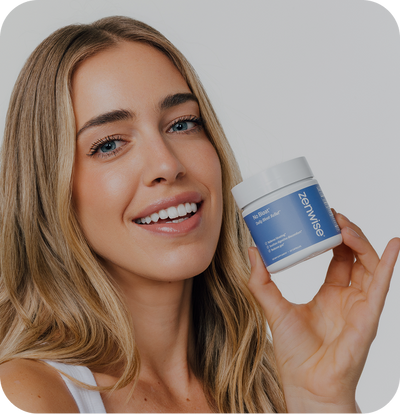
From our daily Digestive Enzymes with DE111® to our fast-acting No Bloat Capsules, we offer accessible, science-backed solutions for the everyday "Symptom-Aware Optimizer."
Don't let your gut health be an afterthought. Take control of your digestion today and experience the difference that a balanced, supported microbiome can make. Subscribe & Save now to get 15% off your routine and ensure that your gut—and your pepsin—always have the support they need. Your body will thank you, and as we say, the proof will be in the poop!
Under normal conditions, your body regulates pepsin production based on the food you eat. However, issues like acid reflux can cause pepsin to travel up into the esophagus or even the throat (LPR), where it can cause irritation. This is why maintaining a healthy, balanced digestive environment is so important for overall comfort.
Yes, all proteins are made of amino acids and require proteases like pepsin for breakdown. However, plant proteins are often "wrapped" in fiber (cellulose), which the human body cannot digest on its own. This is why a broad-spectrum supplement like Digestive Enzymes, which includes cellulase, is so helpful for vegetarians and vegans.
The stomach typically takes 2 to 4 hours to process a meal into "chyme" (the liquid mixture that moves to the small intestine). High-protein and high-fat meals stay in the stomach longer because they require more work from pepsin and stomach acid to break down.
Eating bitter foods (like arugula or ginger) can help stimulate "digestive fire" and the release of gastric juices. Additionally, ensuring you are hydrated and managing stress levels helps your body stay in the "rest and digest" mode necessary for enzyme secretion.
These statements have not been evaluated by the Food and Drug Administration. This product is not intended to diagnose, treat, cure or prevent any disease.



