




What Enzymes Are Involved in Digestion?
March 04, 2026
March 04, 2026

We’ve all been there: you’re at a beautiful Italian restaurant, the scent of garlic and fresh basil is wafting through the air, and the waiter places a steaming plate of carbonara right in front of you. It looks divine. But instead of pure excitement, you feel a flicker of "menu anxiety." You’re already calculating the "food baby" that might appear in an hour, the feeling of your waistband digging into your hips, and the inevitable search for a comfortable place to sit once the occasional bloating kicks in.
Why does our body sometimes struggle to handle the foods we love? The answer often lies in the invisible, hardworking proteins known as digestive enzymes. These biological catalysts are the "unsung heroes" of your gut, responsible for breaking down that pasta, cheese, and pancetta into nutrients your body can actually use. Without them, your dinner doesn't just sit there—it becomes fuel for the bacteria in your lower gut, leading to the gas and discomfort we all try to avoid.
In this post, we are going to dive deep into the science of your GI tract to answer the question: what enzymes are involved in digestion? We will explore how enzymes function from your first bite to your final bowel movement, how a lack of these proteins leads to occasional digestive woes, and how you can support your system to achieve "food freedom." At Zenwise Health (Zenwise®), we believe that "The Key To Good Health Is Gut Health.®" By understanding these microscopic workers, you can finally adopt our favorite mantra: "Zenwise. Then Eat.®"
Before we name the specific enzymes, it is important to understand the two ways your body processes a meal. Imagine you are trying to recycle a giant cardboard box. You can’t just shove it into the bin; you have to break it down.
Even the best "mechanical" efforts (like chewing your food 30 times) won't matter if you lack the chemical tools to finish the job. This is why many people find that adding Digestive Enzymes to their daily routine can be a game-changer for maintaining comfort and regularity.
Most people think digestion happens in the stomach, but the chemical breakdown actually begins the moment you smell food and your mouth starts to water. Saliva isn't just "spit"—it’s a sophisticated cocktail of water, mucus, and specific enzymes.
Amylase is the primary enzyme responsible for breaking down complex carbohydrates (starches) into simpler sugars like maltose. If you’ve ever chewed a piece of plain bread for a long time and noticed it starting to taste sweet, you’ve experienced salivary amylase in action!
While amylase handles the carbs, lingual lipase begins the very early stages of breaking down fats. It is secreted by glands under your tongue and stays active even as it travels down into the acidic environment of your stomach.
Takeaway: Digestion is a relay race. If you rush through your meal, you’re essentially asking the second runner (your stomach) to start before the first runner (your mouth) has finished their lap.
Once you swallow that food bolus, it travels down the esophagus and into the stomach. Here, the environment becomes highly acidic thanks to hydrochloric acid (HCl). This acidity serves two purposes: it kills harmful bacteria and "wakes up" certain enzymes.
Pepsin is the "star" of the stomach. It is secreted by chief cells in an inactive form called pepsinogen. Why inactive? Because if the stomach stored active pepsin, it would digest the stomach’s own protein-based lining! Once pepsinogen meets the low pH of stomach acid, it transforms into active pepsin. Its job is to break long protein chains into smaller fragments called peptides.
The stomach also produces its own version of lipase to continue the work started in the mouth. Together with lingual lipase, gastric lipase handles about 10% to 30% of fat digestion before the food even reaches the intestines.
For the person who loves a high-protein diet—think steak nights or heavy protein shakes—your stomach has to work overtime. If you feel "heavy" or "stuck" after a meat-heavy meal, it might be because your natural pepsin levels need a little help. To kickstart this process and reduce post-meal discomfort, many of our customers keep Papaya Chewables on hand as a tasty, effortless way to support early-stage digestion.
As food leaves the stomach, it enters the duodenum (the first part of the small intestine). This is where the real "heavy lifting" happens. The pancreas is the MVP of the digestive system, secreting a potent "juice" containing the three most critical types of enzymes.
This continues the work of the mouth, ensuring that every starch molecule is broken down into simple sugars that the body can absorb for energy.
These are powerful enzymes that finish what pepsin started. They break down those peptide fragments into individual amino acids—the building blocks of your muscles, skin, and hormones.
This is the workhorse of fat digestion. With the help of bile (produced by the liver and stored in the gallbladder), pancreatic lipase breaks down triglycerides into fatty acids and glycerol.
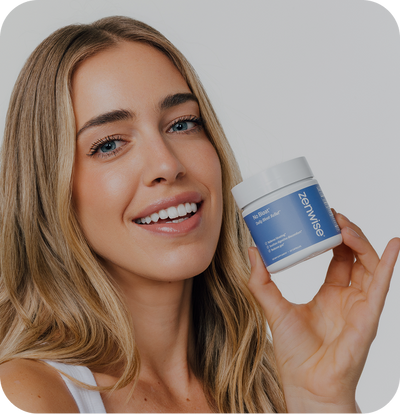
Scenario: Imagine you’re enjoying a "cheat meal"—maybe a deep-dish pizza or a basket of fried chicken. These meals are a triple threat of fats, carbs, and proteins. If your pancreas can’t keep up with the sheer volume of food, you end up with undigested fats and carbs sitting in your gut. This is exactly when you want to reach for No Bloat Capsules. While your pancreas does its best, NO BLØAT® provides a targeted blend of enzymes plus herbal support like Dandelion Root and Fennel to ease that "stretched thin" feeling within hours.
The final stage of chemical digestion happens right on the surface of the small intestine lining, often called the "brush border." Here, specific enzymes break down double sugars (disaccharides) into single sugars (monosaccharides).
Many of us lose the ability to produce sufficient lactase as we age. For the person who loves dairy but hates the aftermath, having a comprehensive supplement that includes lactase is essential. Our Digestive Enzymes contain a wide spectrum of enzymes, including lactase, to help you navigate a cheese board with confidence.
What happens when you don't have enough of the enzymes we’ve discussed? It’s not just about "missing out" on nutrients—it’s about what the undigested food does.
When food isn't broken down in the small intestine, it travels into the large intestine (colon). The colon is home to trillions of bacteria. These bacteria love undigested carbs and fibers. They begin to "ferment" this food, and just like beer fermenting in a vat, this process produces gas. This gas is what causes your stomach to expand, leading to that "poof" feeling where you suddenly look six months pregnant after a meal.
At Zenwise®, we believe "The Proof Is In The Poop™." When your enzymes are working correctly, your bowel movements are regular, your energy is stable, and your stomach remains flat and comfortable. When they aren't, well... your bathroom mirror and your jeans will be the first to let you know.
While understanding what enzymes are involved in digestion is vital, we realized that enzymes alone are only part of the puzzle. To truly optimize gut health, you need a multi-layered approach.
Our core Digestive Enzymes formula is designed as a daily maintenance tool. It doesn't just provide the enzymes (like amylase, lipase, and protease); it also includes:
Digestive health is often linked to other areas of wellness. For example, an imbalance in gut flora can often affect vaginal and urinary tract health. This is why we developed Women’s Probiotics. It combines gut-supporting strains with Cranberry and D-Mannose, ensuring that while your enzymes are breaking down your food, your microbiome is supporting your overall female health.
While we are big believers in the power of supplements, we also want to partner with you on lifestyle habits that make those supplements even more effective.
We often get asked which product is right for which situation. Think of it this way:
The gut microbiome and your enzyme production aren't "one and done" systems. They thrive on consistency. When you provide your body with the same high-quality enzymes and probiotics every day, your gut flora begins to stabilize. This lead to better nutrient absorption, more consistent energy, and—most importantly—the confidence to eat what you want without fear.
Because consistency is so scientifically critical, we’ve made it easy (and cheaper) to stay on track. When you choose to Subscribe & Save, you get 15% off every order. It ensures you never run out right before a big event or a long trip. At around $19–$25 per bottle, it’s an accessible, effective alternative to many of the expensive clinical interventions or "gut cleanses" that often do more harm than good.
Visit the Zenwise Health homepage today to explore our full range of solutions and find the right fit for your unique lifestyle.
Understanding what enzymes are involved in digestion is like having the manual to your own body. From the amylase in your saliva to the powerful proteases of your pancreas, these proteins are the gatekeepers of your energy and comfort. When they work, you feel light, vibrant, and ready to take on the day. When they struggle, life becomes a series of "maybe I shouldn't eat that" moments.
At Zenwise®, we want to move you away from "menu anxiety" and toward food freedom. By combining the latest in clinical science with high-quality ingredients like DE111® and BioCore Optimum Complete, we bridge the gap between "getting by" and "thriving." Remember: "Zenwise. Then Eat.®" It’s not just a slogan; it’s a lifestyle choice that prioritizes your comfort and your health.
Don’t wait for the next "balloon stomach" incident to take action. Subscribe & Save today to get 15% off your order and start your journey toward a happier, healthier gut.
While some foods like pineapple (bromelain), papaya (papain), and avocado contain natural enzymes, they are often destroyed by stomach acid or the heat of cooking. While eating a whole-food diet is great, many people find that supplemental enzymes provide a more reliable, concentrated dose to handle modern, processed meals.
Think of it this way: Enzymes are the "tools" that break down the food, while probiotics are the "good workers" that keep the factory (your gut) clean and running smoothly. Enzymes provide more immediate support for food breakdown, while probiotics support long-term microbiome balance.
If you experience occasional gas, bloating, or a feeling of "heaviness" after eating, it’s a sign that your food isn't being broken down efficiently. Also, if you notice undigested food in your stool, your body is essentially telling you that it needs more enzyme support.
Yes! Many people take Digestive Enzymes before every meal to maintain consistency. Because they are designed to support the natural functions of your body, they are a safe and effective way to promote ongoing digestive health.
These statements have not been evaluated by the Food and Drug Administration. This product is not intended to diagnose, treat, cure or prevent any disease.



