




Understanding Your Gut: Can Digestive Enzymes Cause Constipation?
February 09, 2026
February 09, 2026

We’ve all been there: you’re at a beautiful dinner, the menu looks incredible, but instead of focusing on the artisan pasta or the decadent dessert, you’re mentally calculating the "bloat math." You’re wondering if those jeans will still zip in two hours or if you’ll be making a strategic retreat to the bathroom. This "menu anxiety" is a real vibe-killer, and for many of us, digestive enzymes have become the ultimate wingman. They help us tackle the foods we love without the immediate regret. But lately, you might have noticed something unexpected. While your usual bloating has taken a backseat, you’ve realized that things are... well, moving a little slower than usual. Now you’re asking the big question: can digestive enzymes cause constipation?
It seems like a cruel cosmic joke. You take a supplement to help your gut, only to find yourself trading one digestive drama for another. At Zenwise®, we believe you shouldn’t have to choose between bloating and regularity. Our philosophy is simple: "Zenwise. Then Eat.®" We know that "The Key To Good Health Is Gut Health.®", and that includes understanding the nuances of how your body reacts to support.
In this deep dive, we’re going to look at the relationship between enzyme supplementation and your bowel habits. We’ll explore the science of how these "tiny workers" break down your food, why your system might occasionally hit a speed bump, and how you can optimize your routine to ensure that The Proof Is In The Poop™. Whether you’re a long-time user or just starting your gut-health journey, we’re here to help you navigate the road to food freedom and comfort.
Before we tackle the constipation question, we need to understand what these enzymes are actually doing inside you. Think of digestive enzymes as the "scissors" of your digestive tract. When you eat a sandwich, your body can’t just absorb a whole piece of bread or a slice of turkey. It needs to snip those large, complex molecules—proteins, fats, and carbohydrates—into tiny pieces that can pass through your intestinal wall and into your bloodstream to power your day.
Your body naturally produces these enzymes in your mouth (saliva), stomach, and small intestine, but the real powerhouse is your pancreas. However, factors like age, stress, and a diet high in processed foods can sometimes leave your internal "scissors" feeling a little dull. This is where supplements come in, providing a much-needed boost to help your system keep up with your appetite.
When you look at a label for Digestive Enzymes, you’ll usually see a few key players:
At Zenwise Health, we don’t just stop at enzymes. Our core formula is a "3-in-1" solution that includes prebiotics and probiotics (specifically the hardy DE111® strain) because we know that breaking down food is only half the battle. You also need a thriving microbiome to keep things moving.
The short answer is: yes, it is possible, though it's often more of a "growing pain" than a permanent problem. If you’ve started taking enzymes and noticed that you’re going less frequently, it can feel alarming. However, it’s important to distinguish between true constipation and your body simply becoming more efficient.
For many people, the reason they start taking enzymes in the first place is because they deal with occasional loose stools or urgency. When you add Digestive Enzymes to the mix, your body suddenly starts absorbing nutrients more effectively. The "bulk" of your stool changes because food is being broken down properly rather than just rushing through your system.
In some cases, your body might "over-correct." If you were used to going three times a day because your gut was irritated, and now you’re going once a day, you might feel constipated, even though you’re actually just reaching a new, healthier baseline. As we like to say, The Proof Is In The Poop™—if the stool is still soft and easy to pass, you’re likely just experiencing better absorption.
This is the most common culprit when enzymes lead to actual, hard-to-pass stools. When you take enzymes like cellulase or amylase, they break down fibers and starches. This process requires water. If you are amping up your digestion but not increasing your water intake, your colon will do what it does best: it will pull water out of your waste to keep the rest of your body hydrated.
The result? Stool that is 75% water becomes 50% or 40% water, turning it into something much harder to move. If you’re using our No Bloat Capsules to manage a heavy meal, make sure you’re pairing that "pasta night" with plenty of H2O.
We’re often told to eat more fiber to stay regular, and that’s great advice—mostly. But fiber needs to be broken down to work its magic. If you take a high-potency enzyme supplement that includes cellulase, you’re suddenly processing all that fiber you’ve been eating. While this prevents the gas and bloating often associated with fiber, if you don't have enough fluids to help that fiber "sweep" through your system, it can lead to a bit of a traffic jam in the intestines.
Digestive health isn't one-size-fits-all. What works for your gym buddy might not work for you. The goal is to find the right balance of support for your specific lifestyle and diet. Let’s look at some common scenarios and how to navigate them.
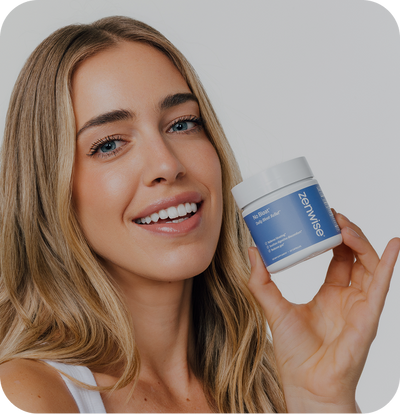
You love Italian food. You love the bread, the creamy sauces, and the wine. But you also know that by the time the check comes, you’re going to feel like you’ve swallowed a lead balloon. In this moment of crisis management, No Bloat Capsules are your lifestyle hero.
They contain a specialized blend called BioCore Optimum Complete, along with Dandelion Root to help with water retention and Fennel to soothe the digestive tract. Because this formula is designed for "fast relief," it’s crucial to drink a full glass of water with it. This ensures that as the enzymes go to work breaking down those heavy carbs and fats, your system has the moisture it needs to keep things moving.
If you find that almost every meal leads to some level of discomfort, you’re likely looking for long-term maintenance rather than a quick fix. This is where our daily Digestive Enzymes shine.
The inclusion of the probiotic DE111® is a critical factor here. While enzymes handle the immediate breakdown of food, the probiotics work to maintain the environment of your gut. A balanced microbiome is essential for healthy "motility"—the fancy word for the muscle contractions that move waste through your colon. By taking these daily, you’re not just treating symptoms; you’re supporting the foundation of your gut health.
For many women, digestive issues aren't just about food; they're about hormones. Changes in your cycle, or life stages like menopause, can significantly impact how fast (or slow) your digestion moves. If you find that your "backups" are often accompanied by other feminine health concerns, our Women’s Probiotics are a fantastic addition to your routine.
This formula supports gut flora while also prioritizing vaginal and urinary tract health with ingredients like Cranberry and D-Mannose. It’s about looking at the body as a whole system, not just a series of isolated problems.
If there is one thing we want you to take away, it’s that your gut thrives on routine. Your microbiome is like a garden; you can’t just water it once and expect it to bloom forever. This is why we are so passionate about our Subscribe & Save program.
When you subscribe, you get 15% off every order, but the real benefit is the consistency. Many people experience "adjustment" symptoms like occasional constipation because they take enzymes sporadically. Their body never gets used to the extra help. By making enzymes a part of your daily ritual, you allow your digestive system to find its rhythm. Plus, it’s one less thing to worry about on your to-do list.
While we love a good supplement, we also know that they work best when paired with a gut-friendly lifestyle. If you’re worried that your enzymes are slowing you down, try these "pro-poop" tips:
We talk a lot about the quality of your bowel movements because they are the most direct window into your internal health. If you are taking enzymes and find that your stools are hard, small, or difficult to pass, it’s a sign that you need more hydration or perhaps a slight adjustment in your dosage.
However, if you simply find that you are going less often but the stools are healthy (think: smooth, sausage-like, and easy to pass), then the enzymes are likely doing exactly what they should—helping you absorb your food instead of wasting it.
If you ever find yourself in a post-meal pinch where you feel a little too "stuffed," reach for our Papaya Chewables. They are a tasty, effortless way to kickstart the digestive process and keep that post-meal heavy feeling at bay.
So, can digestive enzymes cause constipation? While it’s not their intended effect, it can happen if your body is adjusting to better nutrient absorption or if you’re not drinking enough water to support the breakdown of fiber. The key is to listen to your body and partner with it, rather than lecturing it.
At Zenwise®, we want to empower you to enjoy your favorite foods with confidence. Whether you’re looking for the fast-acting relief of No Bloat Capsules or the comprehensive support of our Digestive Enzymes, we have a solution that fits your life.
Don't let digestive uncertainty hold you back from that dinner party or that travel adventure. Invest in your gut health today. Remember, you can Subscribe & Save 15% to ensure you never miss a day of support. Your gut—and your peace of mind—will thank you. After all, life is too short to worry about your jeans fitting. "Zenwise. Then Eat.®"
1. How long does it take for my body to adjust to digestive enzymes? Most people find that their digestive system reaches a new "normal" within 1 to 2 weeks of consistent use. During this time, you might notice changes in stool frequency or consistency as your body learns to absorb nutrients more efficiently.
2. Should I take enzymes if I already have a high-fiber diet? Absolutely! In fact, enzymes like cellulase are specifically helpful for high-fiber diets because they help break down the tough plant walls that often cause gas and bloating. Just remember to increase your water intake alongside the fiber and enzymes.
3. Can I take NO BLØAT® and Digestive Enzymes together? Yes! Many of our customers use the daily Digestive Enzymes as their foundation and keep No Bloat Capsules on hand for those extra-heavy meals or special occasions.
4. What is the best time of day to take my enzymes? For the best results, take your enzymes right before your first bite of a meal. This allows the enzymes to mix with the food as it enters your stomach, maximizing the breakdown of nutrients. For post-meal support, our Papaya Chewables are a perfect choice.
These statements have not been evaluated by the Food and Drug Administration. This product is not intended to diagnose, treat, cure or prevent any disease.



