




Understanding What Substrate Is Digested by Protease
February 04, 2026
February 04, 2026

We’ve all been there: you’re sitting at a beautiful dinner, the scent of a perfectly seared steak or a hearty bowl of lentil soup wafting toward you, but instead of excitement, you feel a pang of "menu anxiety." You’re already calculating the "bloat tax" you’ll have to pay later. Will those jeans feel two sizes too small by dessert? Will you be searching for the exit because your stomach decided to host a private percussion concert of gas and gurgles? This discomfort often stems from a breakdown in communication between your dinner and your digestive enzymes. Specifically, it involves a powerhouse enzyme called protease and its favorite target.
The purpose of this post is to deep-dive into the biological machinery that makes eating enjoyable again. We are going to answer the fundamental question: what substrate is digested by the enzyme protease? Beyond just the technical definition, we’ll explore how this process affects your daily comfort, why protein can sometimes feel like a "brick" in your stomach, and how you can support your gut to ensure that what you eat actually fuels you instead of frustrating you. At Zenwise Health, we believe that you shouldn't have to fear your food. Our philosophy is simple: "Zenwise. Then Eat.®" because we know that "The Key To Good Health Is Gut Health.®"
To understand what protease does, we first have to understand the relationship between enzymes and substrates. Think of an enzyme as a highly specialized worker in a factory. This worker has one job and one job only. The "substrate" is the raw material that the worker acts upon.
In the world of biology, this is often called the "lock and key" model. The enzyme (the lock) has a very specific shape, called an active site. Only a substrate with the perfect corresponding shape (the key) can fit into it. When the two meet, a chemical reaction occurs. In the case of digestive enzymes, that reaction is usually "hydrolysis," which is just a fancy way of saying the enzyme uses water to snap the chemical bonds holding the substrate together.
So, when we ask what substrate is digested by the enzyme protease, the answer is protein. Proteins are massive, complex polymers made of long chains of amino acids. Without protease to act as the "scissors," these protein chains would stay clumped together, making them impossible for your body to absorb.
Protease (also known as a peptidase or proteinase) is the group of enzymes specifically designed to dismantle proteins. If you’ve ever wondered why a high-protein meal like a double cheeseburger or a big bowl of quinoa leaves you feeling "heavy," it’s often because your internal protease production is struggling to keep up with the volume of the substrate (protein) you’ve consumed.
Proteins are held together by peptide bonds. Protease enzymes target these bonds, breaking the long chains into smaller fragments called peptides, and eventually into individual amino acids. These amino acids are the building blocks of life; we need them for everything from building muscle and repairing tissue to creating neurotransmitters that regulate our mood.
But here is the kicker: if that protein isn't broken down effectively, it doesn't just disappear. It sits in the digestive tract, where it can ferment and become a feast for less-than-friendly gut bacteria. This is often where the "Proof Is In The Poop™" comes into play. If your digestion isn't efficient, your bathroom habits—and your comfort levels—will let you know.
Protein digestion is a multi-stage process that requires different types of proteases working at different pH levels. It’s a beautifully coordinated dance that starts long before the food reaches your small intestine.
When you take a bite of protein, the process begins in the stomach. Your stomach secretes hydrochloric acid, which "unfolds" the protein's complex structure (denaturation). This makes the peptide bonds accessible. Then, an enzyme called pepsin—the first major protease—is activated. Pepsin thrives in the high-acid environment of the stomach and starts hacking the large protein molecules into smaller chunks.
As the partially digested food moves into the small intestine, the environment shifts from acidic to neutral/alkaline. Here, the pancreas joins the party, secreting a cocktail of proteases, primarily trypsin and chymotrypsin. These enzymes are part of the "heavy lifting" crew. They continue the work pepsin started, refining those protein chunks into even smaller peptides.
Finally, enzymes on the lining of the intestinal cells (peptidases) finish the job, turning peptides into single amino acids that can finally pass through the intestinal wall and into your bloodstream.
For those of us who feel like our "finishing school" is more like a "construction site," a daily supplement like our Digestive Enzymes can be a game-changer. This 3-in-1 formula contains a broad spectrum of enzymes (including proteases) to help break down fats, carbs, and proteins, plus prebiotics and probiotics like DE111® to support long-term regularity.
Let’s step out of the lab and into the real world. Why does the science of protease and its substrate (protein) matter to you on a Tuesday night?
You’ve been looking forward to family pasta night, but you know that the combination of heavy gluten (a protein!) and meat can leave you feeling like a balloon. Since gluten is a notoriously difficult protein for many people to break down, your natural protease levels might need an assist. Taking Digestive Enzymes before you take that first bite provides the enzymatic "backup" your pancreas needs to dismantle those proteins before they cause trouble.
You’re hitting the gym and refueling with a high-protein shake. While you want those amino acids for muscle recovery, a massive influx of protein substrate can sometimes lead to "protein bloat." This is where the efficiency of your proteases determines whether those nutrients go to your biceps or just stay in your gut causing gas.
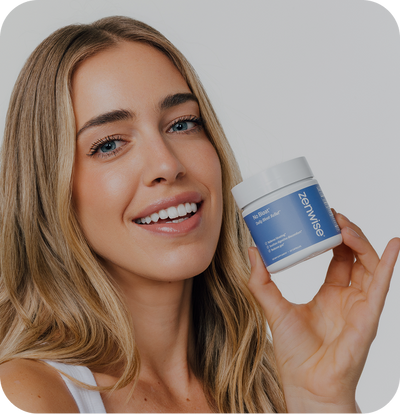
We’ve all had those moments at a summer BBQ where the ribs were just too good to stop. When you've significantly overshot your body’s natural enzyme capacity, you need a "Lifestyle Hero." Our No Bloat Capsules are specifically designed for these moments. They feature BioCore Optimum Complete, a robust blend of enzymes (including multiple types of protease) that work fast to ease bloat and reduce gas. Combined with soothing botanicals like Fennel, Dandelion Root, and Ginger, it’s the ultimate crisis management for when your clothes feel a little too snug.
Not all proteases are created equal. In fact, they are often classified by where they come from and what specific part of the protein "key" they like to turn.
If you’re looking for a quick, tasty way to support your digestion after a meal, our Papaya Chewables utilize the natural power of papain. They are perfect for stashing in your bag or keeping in the car for effortless post-meal support. They kickstart the breakdown of protein substrates and help reduce that "after-dinner slump."
If the answer to "what substrate is digested by the enzyme protease" is so simple, why is the process so hard for many people? Several factors can interfere with your body's ability to produce or use these enzymes:
For women, the stakes of protein digestion and gut health are often even higher. The microbiome isn't just about the gut; it’s deeply connected to vaginal and urinary tract health. When protein isn't digested properly, it can alter the balance of bacteria throughout the body.
Our Women’s Probiotics are designed with this specific synergy in mind. While they support the gut flora that aids in overall digestive health, they also include Cranberry and D-Mannose to support urinary and vaginal wellness. It’s about creating a comprehensive environment where your body can thrive from the inside out.
One of the biggest mistakes people make with digestive health is treating it like a "one and done" situation. While No Bloat Capsules are amazing for immediate relief, the real magic happens when you maintain your gut microbiome consistently.
Think of your gut like a garden. You can’t just water it once every three months and expect it to bloom. You need daily maintenance. This is why we are such big proponents of our Subscribe & Save model. When you subscribe, you get 15% off every order, and more importantly, you ensure that you never run out of the tools your body needs. Consistency is what allows the DE111® probiotic in our Digestive Enzymes to truly colonize and support your regularity and immune function over time.
We promised humor, so let’s get real: undigested protein substrate is a leading cause of what we affectionately call "stinky gas." Because protein contains sulfur, when it isn't broken down by protease and instead gets fermented by bacteria in the colon, the byproduct is hydrogen sulfide gas.
If you find yourself clearing a room after a high-protein meal, your body is sending you a clear signal: "Help! I can't handle this substrate alone!" By introducing a supplemental protease via Zenwise Health products, you’re essentially giving those "stinky" bacteria nothing to eat. When you break down the protein properly in the small intestine, it gets absorbed into the blood where it belongs, rather than traveling to the "fermentation tank" (your colon).
While we mostly talk about protease in the context of what we eat, these enzymes are busy doing other things in the body too:
This is why we say that gut health is the foundation of everything. When you support the enzymes that handle your food, you’re freeing up your body’s resources to focus on other vital functions.
In addition to supplementing with high-quality enzymes, here are a few ways you can help your internal protease factory:
At the end of the day, we don’t want you to spend your life worrying about peptide bonds and amino acid chains. We want you to enjoy your life. We want you to go to the Sunday brunch, the birthday dinner, and the holiday feast with total confidence.
By understanding that the substrate digested by protease is protein, you’ve taken the first step toward mastering your own biology. You now know that if you’re planning a high-protein meal, you have the tools—like Digestive Enzymes for daily support or No Bloat Capsules for those times you need fast relief—to handle whatever is on your plate.
Understanding what substrate is digested by the enzyme protease—protein—is the key to unlocking a life free from digestive discomfort. When we bridge the gap between the science of enzymes and the reality of our daily meals, we find that "food freedom" isn't a myth; it's a result of proper gut support.
From the first cut of pepsin in the stomach to the final refinement in the small intestine, protease is the unsung hero of our metabolic health. It ensures that the proteins we eat become the strength and energy we need, rather than the gas and bloating we dread. Whether you are looking for a daily 3-in-1 maintenance solution or a fast-acting hero for those "big meal" emergencies, we are here to partner with you on your journey.
Remember, a happy gut is the foundation for a happy life. Don’t let another meal pass by while you sit in discomfort. Take control of your digestive health today. We invite you to Subscribe & Save on your favorite Zenwise products to receive 15% off and ensure your routine never skips a beat. Your gut—and your jeans—will thank you.
1. What exactly is a substrate in the context of digestion? A substrate is the specific substance that an enzyme acts upon. Think of the enzyme as a key and the substrate as the lock. In digestion, the main substrates are carbohydrates, fats, and proteins. Each requires a specific enzyme to break it down into a form the body can absorb.
2. Is protease the only enzyme I need for protein? While "protease" is the general term, your body uses several types, including pepsin, trypsin, and chymotrypsin. Additionally, many people benefit from supplemental plant-based proteases like bromelain and papain, which can be found in our Papaya Chewables.
3. Why do I get bloated even when I eat healthy proteins like beans or chicken? Even "healthy" proteins can be difficult to break down if your body isn't producing enough protease or if your gut environment is out of balance. For complex proteins and fiber-heavy meals, a comprehensive supplement like our Digestive Enzymes provides the extra support needed to prevent that "stuck" feeling.
4. How quickly do protease supplements work? It depends on the formula! Daily maintenance enzymes are best taken 15-30 minutes before a meal to prep the system. However, if you're already feeling the pressure, products like No Bloat Capsules are designed to work within hours to ease existing discomfort and flatten the appearance of the stomach.
These statements have not been evaluated by the Food and Drug Administration. This product is not intended to diagnose, treat, cure or prevent any disease.



