




Understanding What Digestive Enzymes Are Found in Pancreatic Juice
March 04, 2026
March 04, 2026

We’ve all been there: you’re sitting at your favorite Italian spot, the aroma of garlic and fresh basil is wafting through the air, and you’ve just polished off a plate of carbonara that could feed a small village. But then, it happens. About twenty minutes later, your jeans feel three sizes too small, and you’re scanning the room for the nearest exit—or at least a very large pillow to hide behind. This "menu anxiety" and the subsequent "food baby" aren’t just inconvenient; they are your body’s way of signaling that your internal chemistry lab is working overtime.
The hero (or sometimes the slacker) in this scenario is your pancreas. Most of us know the pancreas has something to do with blood sugar, but its role as a master chef of digestive juices is arguably its most important daily job. In this article, we are going to dive deep into the biological "liquified gold" known as pancreatic juice. We’ll explore exactly what digestive enzymes are found in pancreatic juice, how they transform your lunch into energy, and what happens when your body needs a little extra support to keep things moving smoothly.
At Zenwise®, we believe that The Key To Good Health Is Gut Health.® By understanding how your body breaks down food, you can move from surviving your meals to thriving after them. Our philosophy is simple: "Zenwise. Then Eat.®" Let’s pull back the curtain on the enzymes that make your digestion possible.
Before we list the specific enzymes, let’s talk about the medium they travel in. Pancreatic juice is a clear, alkaline fluid secreted by the exocrine cells of your pancreas. Think of it as a specialized delivery system. On a typical day, your pancreas produces about 8 to 10 ounces of this liquid, which travels through the pancreatic duct and empties into the duodenum—the first part of your small intestine.
The juice itself is fascinating because it’s not just water and enzymes. It is incredibly rich in bicarbonate. If you remember high school chemistry, bicarbonate is an alkali (a base). This is crucial because when food leaves your stomach, it is drenched in gastric acid. This "chyme," as it's called, is so acidic it could practically melt through the floor. The bicarbonate in pancreatic juice neutralizes that acid instantly, creating a safe, slightly alkaline environment where enzymes can actually do their jobs. Without this neutralization, the enzymes would be denatured and useless, leaving you with a very unhappy gut.
When we ask what digestive enzymes are found in pancreatic juice, we aren't just looking for one or two "miracle" molecules. We are looking at a highly coordinated team of biological catalysts. Each enzyme has a specific "lock and key" relationship with the macronutrients you eat: carbohydrates, fats, and proteins.
Amylase is the enzyme responsible for breaking down starches and complex carbohydrates into simpler sugars like maltose. While your saliva contains some amylase (to start the process while you chew), the heavy lifting happens in the small intestine thanks to the pancreas. If you find that "pasta nights" or a bowl of oatmeal leave you feeling heavy and sluggish, it might be that your natural amylase production is struggling to keep up with the load. Supporting your system with daily Digestive Enzymes can help bridge that gap, ensuring those carbs become fuel rather than a source of occasional gas.
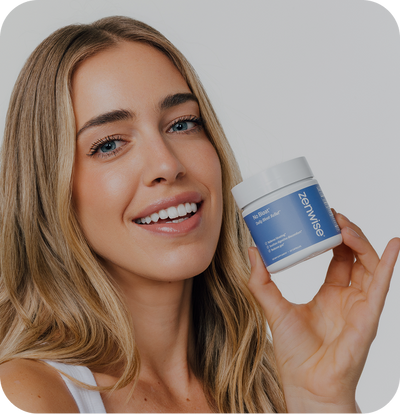
Lipase is perhaps the most critical enzyme in the mix because it handles dietary fats (triglycerides). It works in tandem with bile from your gallbladder to emulsify fats, breaking them down into fatty acids and monoglycerides. This process is essential for the absorption of fat-soluble vitamins like A, D, E, and K. If you’ve ever noticed that a greasy burger leads to "emergency" bathroom trips or oily stools, your lipase levels might be the culprit. To help manage the aftermath of those heavier, fat-rich meals, many of our community members reach for No Bloat Capsules, which contain additional support for easing the discomfort associated with slow fat digestion.
Proteins are long, complex chains of amino acids that require significant "cutting" to be absorbed. The pancreas secretes several proteases, but it does something very clever: it secretes them in an inactive form called "zymogens." This prevents the enzymes from digesting the pancreas itself!
We don't often think about it, but the plants and animals we eat have DNA and RNA. Pancreatic juice contains Ribonuclease and Deoxyribonuclease, which break down these nucleic acids into nucleotides. Your body is the ultimate recycler!
Your pancreas doesn't just dump juice into your gut at random. It follows a highly regulated schedule triggered by your senses and your stomach. Understanding these phases helps explain why "mindful eating" is more than just a wellness trend—it's a biological necessity.
Believe it or not, about 20-25% of your pancreatic secretion happens before food even touches your tongue. The mere sight, smell, or even the thought of a delicious meal sends signals via the vagus nerve to your pancreas. It’s like a restaurant prep cook getting the kitchen ready before the dinner rush. This is why we say "Zenwise. Then Eat.®"—prepping your system is half the battle. If you're a fan of a quick, tasty way to kickstart this process after the first bite, our Papaya Chewables are an effortless way to support post-meal comfort.
Once food enters your stomach, the distension (stretching) of the stomach walls triggers more neural reflexes. This phase accounts for about 10% of the total enzyme secretion. Your body is gauging the volume of food you've consumed and telling the pancreas to "keep the enzymes coming."
The real party starts when the acidic chyme enters the duodenum. This triggers the release of two vital hormones:
You might be thinking, "This is a great biology lesson, but how does it help me with my bloating?" The reality is that for many of us, our "enzyme factory" isn't always running at 100% capacity. Factors like age, stress, processed diets, and even genetics can lead to an "enzyme gap."
When you don't have enough of the enzymes found in pancreatic juice, food reaches the large intestine only partially digested. There, your gut bacteria have a literal field day. They ferment the undigested food, and the byproduct of that fermentation is... you guessed it: gas. This leads to the tightness, the "pressure," and the overall feeling that your gut is a balloon about to pop. The Proof Is In The Poop™, and if your regularity is off or your stools are consistently floating or oily, it’s a sign that your pancreatic enzymes might need some backup.
For the person who loves a diverse diet but hates the occasional irregularity, our Digestive Enzymes provide a comprehensive "3-in-1" solution. Not only do they contain the enzymes to break down fats, carbs, and proteins, but they also include prebiotics and DE111®, a spore-forming probiotic. Unlike many other probiotics that die in the acidic environment of the stomach, DE111® is guaranteed to survive and reach the small intestine, where it can support your microbiome and help maintain regularity.
Let’s look at a real-world example. Imagine you’re at a celebration. There’s bread, creamy pasta, and maybe a decadent dessert. This is a "triple threat" for your pancreas: high carbs (starch), high fat (cream/butter), and high protein (meat or cheese).
In this scenario, your pancreas is working at maximum velocity. If you feel that familiar "brick in the stomach" sensation, it’s because your body is struggling to process the volume. By taking No Bloat Capsules, you’re providing your body with a targeted blend of enzymes (BioCore Optimum Complete) along with herbal support like Dandelion Root and Fennel to help with water retention and gas. It’s like bringing in a specialized cleaning crew to help the primary staff after a massive party.
While the pancreas works similarly in everyone, we know that women often face unique digestive challenges. Hormonal shifts during the menstrual cycle can affect gut motility, leading to occasional bloating and discomfort. Furthermore, the proximity of the gut to the vaginal microbiome means that a disruption in one can often lead to a disruption in the other.
That’s why we developed Women’s Probiotics. While it supports general gut flora, it also includes D-Mannose and Cranberry to support urinary tract health and specific probiotic strains that promote vaginal health. It’s about looking at the whole person, not just the stomach.
Here is the truth about gut health: it is not a "one and done" situation. Your gut microbiome is a living ecosystem that requires constant nurturing. When you provide your body with supplemental enzymes and probiotics sporadically, you get sporadic results.
This is why we strongly encourage our community to utilize our Subscribe & Save model. Not only does it save you 15% off every single order, but it ensures that you never have a "gap" in your routine. Consistency is the secret sauce to maintaining a healthy gut. Our products, ranging from $19 to $25, are designed to be an accessible, daily part of your lifestyle. When you consider that clinical interventions for digestive distress can cost hundreds or even thousands of dollars, a consistent Zenwise® routine is both a health-conscious and budget-conscious choice.
While supplements are a powerful tool, your lifestyle also plays a huge role in how effectively your pancreas secretes its juices.
Understanding what digestive enzymes are found in pancreatic juice is like getting the owner's manual for your body's engine. From Amylase's ability to tackle starches to Lipase's role in fat absorption and the Proteases' power to rebuild your tissues via amino acids, these enzymes are the unsung heroes of your daily life.
When your "internal kitchen" is running smoothly, you experience food freedom. You stop looking at a menu with fear and start looking at it with excitement. You can enjoy the pasta, the burger, or the salad without the dread of the "post-meal bloat."
At Zenwise Health, we are here to partner with you on that journey. Whether you need the daily support of our Digestive Enzymes or the rapid relief of No Bloat Capsules, we have a solution that fits your lifestyle.
Don't wait for the next "tight jeans" emergency. Take control of your gut health today. Subscribe & Save now to get 15% off and ensure your body always has the tools it needs to digest with ease. Because when your gut is happy, your whole life follows suit. Zenwise. Then Eat.®
1. Can I live without a pancreas, and how does that affect digestion? Yes, it is possible to live without a pancreas, but it requires significant medical intervention. Since the pancreas is the primary producer of the enzymes we've discussed, someone without a pancreas would need to take prescription-strength digestive enzymes with every single meal to absorb nutrients and prevent severe maldigestion.
2. Why are the enzymes in pancreatic juice secreted in an inactive form? This is a brilliant "safety feature" of the human body. Because your pancreas is made of protein and fat, if it produced active proteases (like trypsin) inside its own tissues, it would literally digest itself! By secreting them as inactive "zymogens," the body ensures they only become "active" once they reach the safety of the intestinal lumen.
3. Does age affect how many digestive enzymes my pancreas produces? Yes, research suggests that as we age, the production of various digestive secretions, including pancreatic juice, can naturally decline. This is why many people find they can no longer eat the same "heavy" foods they did in their twenties without experiencing occasional gas and bloating.
4. What is the difference between the enzymes in pancreatic juice and the enzymes in Zenwise® products? The enzymes in pancreatic juice are "endogenous" (produced by your own body). Our supplements, like Digestive Enzymes, provide "exogenous" enzymes sourced from plants and microbes. These work alongside your body's natural enzymes to help break down food more efficiently, especially when your own production might be temporarily low due to stress or a large meal.
These statements have not been evaluated by the Food and Drug Administration. This product is not intended to diagnose, treat, cure or prevent any disease.



