




Pea Protein & Your Gut: The Inside Scoop on Digestive Wellness
December 18, 2025
December 18, 2025

Ever found yourself scanning a menu, wondering if your next meal will be a delight or a digestive disaster? Or perhaps you've experienced that familiar post-meal bloat that leaves your jeans feeling a size too small, especially when trying to embrace more plant-based eating. In a world increasingly turning towards greener plates, pea protein has emerged as a shining star. But beyond its muscle-building prowess, a big question often floats to the surface: is pea protein good for gut health? It's a question many of us ponder as we navigate the complex landscape of dietary choices and the ever-present quest for digestive comfort.
At Zenwise, we deeply understand that the journey to feeling your best often starts with a happy gut. We believe that what goes on inside truly dictates how you experience life, from your energy levels to your mood. That's why we champion the philosophy that The Key To Good Health Is Gut Health.® This comprehensive dive into pea protein will explore its fascinating journey from yellow pea to potent powder, unraveling its potential impact on your digestive system. We'll examine the science, debunk common myths, and provide practical insights into how this popular plant-based protein might fit into your quest for a more harmonious digestive experience. By the end, you'll have a clearer picture, empowered to make informed choices that align with our mission: Zenwise. Then Eat.® – a life lived with food freedom and digestive confidence.
Before we delve into its gut-friendly potential, let's get acquainted with our star ingredient. Pea protein is an extract primarily derived from yellow split peas ( Pisum sativum), a common legume celebrated for its nutritional density. Unlike simply eating whole peas, which are rich in fiber and starch, pea protein powder undergoes a process that isolates the soluble protein, removing much of the fiber and carbohydrates. This results in a concentrated protein source, making it a popular supplement for those looking to boost their protein intake, particularly within vegetarian and vegan diets.
Pea protein isn't just about protein; it's a nutritional powerhouse. A typical serving can offer anywhere from 15 to 20 grams of protein per 100 calories, with minimal fat and carbohydrates. This makes it an appealing choice for individuals focused on weight management or muscle building.
One of its most significant advantages lies in its amino acid profile. Amino acids are the fundamental building blocks of protein, and nine of them are considered "essential" because our bodies cannot produce them – we must obtain them from our diet. While many plant-based proteins are often labeled "incomplete" because they may be low in one or more essential amino acids, pea protein stands out. It contains all nine essential amino acids, though it is comparatively lower in methionine. However, it boasts high levels of lysine, which is crucial for collagen formation, calcium absorption, and muscle repair, and arginine, known for its role in circulation and immune function.
Furthermore, pea protein is a good source of iron, a vital mineral often lacking in plant-based diets. It's also naturally free from many common allergens, including dairy, gluten, soy, eggs, and nuts, making it a hypoallergenic option for those with sensitivities or dietary restrictions. This broad appeal is precisely why pea protein has become a cornerstone in many health-conscious regimens.
Just like a chef has different cuts of meat, pea protein comes in various forms, each with slightly different characteristics:
For the purpose of gut health discussions, we'll primarily focus on pea protein isolates, as they are the most common form consumers encounter for dietary supplementation.
Now, let's get to the heart of the matter. How does this versatile plant protein interact with your gut? The answer is nuanced, but largely positive, especially when chosen thoughtfully and paired with a holistic approach to digestive wellness.
One of the most praised aspects of pea protein is its digestibility. Unlike some dairy-based proteins, like whey, which can cause significant discomfort for lactose-intolerant individuals, pea protein is inherently lactose-free. This immediately sidesteps a common trigger for bloating, gas, and stomach upset for a large segment of the population.
Even compared to other plant-based proteins like soy, which can be an allergen for some, pea protein tends to be gentler on the stomach. The process of isolating the protein from the whole pea removes much of the insoluble fiber and complex carbohydrates that can sometimes lead to gas and bloating when consumed in large quantities from whole legumes. This means that while eating two cups of whole peas (which might provide around 20 grams of protein along with 18 grams of fiber) could lead to digestive fireworks for some, a scoop of pea protein isolate is designed to deliver protein without the same fibrous load.
However, even with good digestibility, everyone's system is unique. If you're someone who experiences digestive drama with any new food or supplement, a helping hand can make all the difference. For instance, if you're experimenting with new plant-based proteins and find yourself still feeling a bit "off" after meals, our Papaya Chewables can be a fantastic, tasty way to kickstart digestion and ease occasional post-meal discomfort. They help break down food components, giving your gut a little enzymatic nudge.
The human gut is a bustling metropolis of trillions of microorganisms, collectively known as the gut microbiota. This complex community plays a pivotal role in everything from digestion and nutrient absorption to immune function and even mood. Maintaining a diverse and balanced gut microbiome is fundamental to digestive health.
While pea protein isolates are low in fiber, which is a primary food source for beneficial gut bacteria, emerging research suggests that pea-derived peptides (smaller protein fragments) and other compounds can still positively influence gut microbiota. These bioactive peptides, released during digestion or through hydrolysis, have been shown in studies to possess antioxidant, anti-inflammatory, and even prebiotic-like properties. They may interact directly with gut bacteria or support the intestinal lining, fostering an environment where beneficial microbes can thrive.
Furthermore, some pea protein products, particularly hydrolyzed versions, contain peptides that are more readily absorbed and utilized by the body, potentially reducing the workload on the digestive system. This can indirectly support a healthier gut environment by minimizing undigested food matter that could otherwise ferment and cause issues.
For comprehensive daily support that directly nourishes your gut's inhabitants, our Digestive Enzymes are an unparalleled ally. This 3-in-1 solution combines a broad spectrum of enzymes to break down fats, carbs, proteins, and fiber, along with prebiotics and our powerful spore-forming probiotic, DE111®. This ensures beneficial bacteria are delivered alive to your gut, supporting regularity and nutrient absorption, which is key to making the most of all the good things you eat, including pea protein.
Chronic inflammation in the gut is a culprit behind numerous digestive woes, from occasional discomfort to more persistent issues. Plant-based diets, generally rich in phytonutrients and antioxidants, are often associated with lower levels of systemic inflammation. Pea protein contributes to this picture. While direct research on pea protein's anti-inflammatory effects on the gut is ongoing, the presence of various antioxidants in pea extracts and the overall benefits of a plant-forward diet certainly contribute to a more balanced internal environment.
When your gut is less inflamed, it functions more efficiently, allowing for better digestion and nutrient uptake. This improved gut environment can translate to fewer instances of discomfort, helping you feel lighter and more energetic.
While our focus is firmly on gut health, it’s worth noting that pea protein brings a host of other benefits that contribute to overall well-being, reinforcing why it’s such a popular choice.
The booming supplement market means not all pea protein powders are created equal. As informed consumers, it’s crucial to be aware of the potential pitfalls and how to choose a high-quality product.
Unlike pharmaceuticals, dietary supplements in the U.S. are not approved by the FDA before they are marketed. This means quality and purity can vary significantly between brands. Concerns about contaminants like heavy metals (lead, arsenic, cadmium) have occasionally surfaced in plant-based protein powders. This isn't to scare you away from pea protein, but to emphasize the critical importance of choosing reputable brands.
When selecting a pea protein, look for:
At Zenwise, we are fiercely committed to transparency and quality. We believe that what you put into your body should be pure, effective, and free from unnecessary additives. Our rigorous sourcing and manufacturing processes ensure that our products meet the highest standards, giving you peace of mind with every serving.
Let's briefly compare pea protein to other popular protein sources you might encounter:
Pea protein often strikes a unique balance, offering a complete (or near-complete) amino acid profile, high digestibility, and a hypoallergenic nature, making it a solid choice for a wide array of dietary needs.
Even with the gentlest of proteins like pea, our digestive systems can sometimes throw us a curveball. Life's indulgences, travel stress, or simply the daily grind can upset the delicate balance of our gut. That's where Zenwise steps in, offering targeted support to ensure your gut remains a happy, well-oiled machine, allowing you to truly embrace the Zenwise. Then Eat.® philosophy.
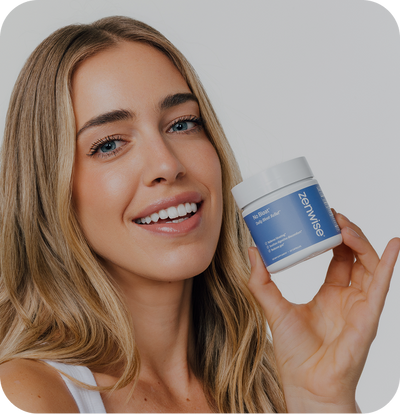
Imagine you've enjoyed a hearty meal – maybe a delightful plant-based pasta night with plenty of pea protein added, or a generous portion during your travels. Suddenly, that familiar tight feeling starts creeping in, making your clothes feel snug and your belly less than flat. This is where NO BLØAT® becomes your ultimate lifestyle hero. Formulated with BioCore Optimum Complete (a powerful blend of digestive enzymes), Dandelion Root (to help with water retention), Fennel, and Ginger, it helps ease occasional bloat and reduces gas and discomfort within hours. It's the perfect companion for those moments when you need fast, effective relief, restoring your comfort and confidence.
While pea protein is a great addition, consistent, proactive gut support is non-negotiable for long-term digestive harmony. Think of it as the daily tune-up for your internal engine. Our Digestive Enzymes are designed for exactly this purpose. Taken before every meal, this 3-in-1 powerhouse not only aids in breaking down a wide spectrum of foods – including proteins, fats, carbs, and fiber – but also delivers prebiotics and the robust spore-forming probiotic, DE111®. This probiotic is guaranteed to survive harsh stomach acid and reach your intestines alive, where it can get to work supporting a balanced gut flora and promoting regularity. This isn't just about managing symptoms; it's about building a resilient, optimally functioning gut from the ground up.
For our incredible women, digestive health often intertwines with other unique needs. Our Women’s Probiotics offer a holistic solution. Beyond supporting gut flora and regularity, this specialized blend also contains Cranberry and D-Mannose, ingredients known for their support of vaginal and urinary tract health. Because when one part of your body feels out of sync, it can impact everything else – and we believe in addressing wellness comprehensively.
Let's be real – digestive health isn't always glamorous, but it is fundamental. We often joke that The Proof Is In The Poop™ because a healthy gut truly manifests in consistent, comfortable regularity. When your system is working smoothly, processing food efficiently, absorbing nutrients, and eliminating waste without struggle, that's the ultimate indicator of digestive success. Our products are designed to help you achieve that consistent, comfortable feeling, day in and day out. Because feeling good from the inside out means less time worrying about your gut and more time living your life.
Incorporating pea protein into your diet, especially alongside Zenwise's targeted support, is simple and can be incredibly beneficial.
By combining the natural goodness of pea protein with Zenwise's expertly formulated digestive aids, you create a powerful synergy that supports your gut from all angles. Our products are thoughtfully designed to fit seamlessly into your routine, providing accessible and effective alternatives to more complicated or expensive clinical interventions, typically ranging between $19-$25.
As we've explored, pea protein offers a compelling case for its inclusion in a health-conscious diet, particularly for those seeking plant-based options that are gentle on the gut. Its excellent digestibility, comprehensive amino acid profile, and potential to interact positively with your gut microbiome make it a valuable ally in your quest for digestive wellness.
However, the journey to a truly happy and healthy gut is multifaceted. It's about making informed dietary choices, yes, but it's also about providing consistent, targeted support to your digestive system. At Zenwise, we are dedicated to empowering you to achieve optimal digestive health, because we truly believe that The Key To Good Health Is Gut Health.® Whether you're navigating new plant-based proteins, managing occasional digestive upsets, or simply striving for daily comfort and regularity, our suite of solutions is here to support you every step of the way.
Don't let digestive discomfort dictate your choices or dampen your spirit. Take control of your gut health, experience the freedom of eating without anxiety, and discover the vitality that comes from a balanced digestive system. Ready to revolutionize your digestive wellness routine and experience the Zenwise difference?
Take the first step towards consistent comfort and vitality today. Subscribe & Save on your favorite Zenwise products and get 15% off, ensuring your gut health routine is consistent and uninterrupted – a scientifically critical factor for maintaining a thriving gut microbiome!
1. Is pea protein suitable for people with sensitive stomachs or digestive issues? Yes, pea protein is generally considered highly digestible and hypoallergenic, making it a good option for many with sensitive stomachs or common sensitivities to dairy, soy, or gluten. The isolation process removes much of the fiber and starches that can cause digestive upset in whole peas. However, individual reactions vary, and starting with smaller doses is always recommended.
2. Can pea protein alone improve my gut health significantly? While pea protein can be a beneficial component of a gut-healthy diet due to its digestibility and potential positive interactions with the gut microbiome, it's not a standalone solution for all gut issues. Optimal gut health requires a holistic approach that includes a varied diet rich in fiber, adequate hydration, stress management, and often, targeted supplementation like digestive enzymes and probiotics to ensure efficient digestion and a balanced gut flora.
3. How does pea protein integrate with Zenwise digestive supplements? Pea protein pairs excellently with Zenwise supplements. If you're using pea protein, our Digestive Enzymes can ensure every gram of protein and other nutrients are optimally broken down and absorbed. For occasional post-meal discomfort, NO BLØAT® offers quick relief. Our products complement pea protein by providing comprehensive digestive support that tackles various aspects of gut health.
4. What should I look for when purchasing pea protein powder to ensure quality? Prioritize pea protein powders that are third-party tested for purity and potency to avoid contaminants. Look for products that are non-GMO, contain minimal added ingredients (avoiding artificial sweeteners, flavors, and excessive fillers), and ideally use hydrolyzed or micronized pea protein for enhanced digestibility. Always check the ingredient label carefully to align with your personal dietary needs and preferences.
These statements have not been evaluated by the Food and Drug Administration. This product is not intended to diagnose, treat, cure or prevent any disease.



