




Is Watermelon Good for Your Gut Health?
August 06, 2026
August 06, 2026

It is the middle of July, and you are at a backyard barbecue. You have just finished a burger and a side of potato salad, and now you are eyeing the massive tray of chilled watermelon. It looks refreshing, light, and exactly what your body needs to beat the heat. But then, a familiar feeling creeps in. Your jeans feel a little tighter than they did twenty minutes ago, and you start to wonder if that juicy slice is going to help your digestion or make the "after-party" in your stomach even louder.
At Zenwise, we believe you should never have to fear the food you love. Our philosophy, "Zenwise. Then Eat.®," is all about preparing your gut so that mealtime is a joy, not a source of anxiety. We know that navigating the world of gut-healthy foods can feel like a full-time job. One day a fruit is a superfood; the next, it is a high-sugar culprit for bloating.
The truth is, watermelon is a unique player in the digestive game. It offers incredible hydration and essential nutrients, but for some, it can trigger occasional gas or bloating. This article explores the relationship between this summer staple and your digestive tract to help you decide how it fits into your routine.
The most obvious benefit of watermelon is its water content. It is roughly 92% water. While that might seem like a simple fact, it is actually a vital piece of the digestive puzzle. Your digestive system relies on a consistent supply of fluid to keep things moving through the colon.
When you are dehydrated, your body tries to conserve water by pulling it from your stool. This leads to slower transit times and the kind of bathroom struggles that no one likes to talk about. By eating hydrating foods like watermelon, you support peristalsis. Peristalsis is the wave-like muscle contraction that moves food and waste through your digestive tract.
Think of your gut like a water slide. If there is no water, the ride stops, and everyone gets stuck. Watermelon helps keep the slide "wet," promoting regularity and supporting overall digestive comfort. For many of our customers, maintaining this flow is the first step toward feeling light and energetic after a meal.
There is a common misconception that only fermented foods like yogurt or sauerkraut are good for the gut. While those are great sources of probiotics (beneficial live bacteria), your gut also needs prebiotics. Prebiotics are specialized plant fibers that act as food for the good bacteria already living in your system.
Watermelon contains specific plant compounds called polyphenols. These are natural chemicals found in plants that have been shown to support the growth and diversity of the gut microbiome. The microbiome is the community of trillions of tiny organisms living in your intestines that help break down food and support your immune system. For daily digestive support, Digestive Enzymes combine enzymes, prebiotics, and probiotics in one routine.
Key Takeaway: Watermelon serves as a natural fuel source for your beneficial gut bacteria, helping to maintain a balanced environment where your microbiome can thrive.
Even though watermelon has plenty of benefits, it is not always a smooth ride for everyone. This is where the humor of our "dramatic stomachs" comes in. Sometimes, your gut reacts to a slice of fruit as if you’ve just challenged it to an Olympic marathon without training.
The reason for this reaction lies in FODMAPs. This stands for Fermentable Oligosaccharides, Disaccharides, Monosaccharides, and Polyols. These are types of carbohydrates that are poorly absorbed in the small intestine. Because they aren't absorbed well, they travel to the large intestine, where your gut bacteria ferment them. This fermentation process produces gas.
Watermelon is considered a high-FODMAP food because it contains significant amounts of fructose and polyols. For people with sensitive stomachs, this can lead to:
If you find that your favorite summer fruit makes your clothes feel like they’ve shrunk two sizes, you might need a little extra support. This is where NO BLØAT® comes into play. We designed this formula specifically for these moments—whether it's a "pasta night" or a "watermelon afternoon." It features BioCore Optimum Complete enzymes along with Dandelion Root and Fennel to help ease that heavy, tight feeling within hours.
You probably know lycopene as the antioxidant that gives tomatoes their red color. Surprisingly, watermelon contains even higher concentrations of lycopene than raw tomatoes. This antioxidant does more than just provide color; it may help support the integrity of the gut lining.
The lining of your gut is a delicate barrier. Its job is to let nutrients into your bloodstream while keeping harmful substances out. Supporting this barrier is essential because "The Key To Good Health Is Gut Health.®" Antioxidants like lycopene help protect the cells in this lining from oxidative stress.
When your gut lining is well-supported, your body is better at absorbing the nutrients from all the other healthy foods you eat. It is a virtuous cycle: the watermelon supports the gut, and the gut supports your whole body.
We aren't afraid to say it: how you feel in the bathroom is one of the best indicators of your internal health. Watermelon contains a modest amount of fiber, which works in tandem with its high water content.
Most of the fiber in watermelon is insoluble fiber. This type of fiber does not dissolve in water; instead, it adds bulk to the stool. This bulk acts like a "broom" for your intestines, helping to sweep waste through the system. When combined with the high water content, watermelon becomes a gentle way to support regularity without the harshness of high-fiber supplements that can sometimes cause more gas.
For a daily routine focused on regularity and digestive balance, Digestive Enzymes provide foundational support alongside a balanced diet.
Bottom line: The combination of water and insoluble fiber in watermelon makes it a natural supporter of daily regularity, provided your system can handle the natural sugars.
Not all fruits are created equal when it comes to your stomach's reaction. If you find that watermelon is a bit too much for your system to handle, it helps to know how it stacks up against other seasonal favorites.
| Fruit | Primary Benefit | Potential Downside |
|---|---|---|
| Watermelon | Massive hydration and Lycopene | High in FODMAPs (Fructose/Polyols) |
| Papaya | Contains Papain (digestive enzyme) | Can be an acquired taste for some |
| Berries | High in antioxidants and fiber | Can be acidic for sensitive stomachs |
| Cantaloupe | High in Vitamin A and C | Lower fiber than berries |
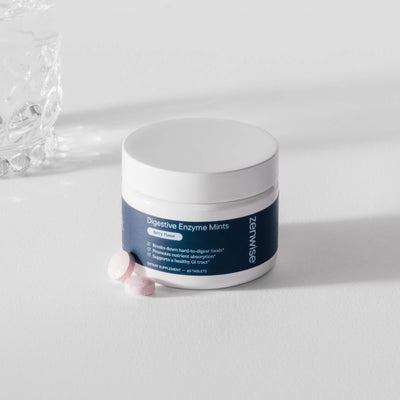
If you are looking for an effortless way to get the benefits of fruit-based enzymes without the fructose load, our Digestive Enzyme Mints are a fantastic post-meal option. They kickstart the digestive process using natural papaya enzymes, helping to reduce that "I ate too much" discomfort.
One of the most unique compounds in watermelon is an amino acid called citrulline. While most athletes know citrulline for its role in supporting blood flow and exercise recovery, it also has a role in digestive wellness.
Citrulline is a precursor to arginine, another amino acid that helps produce nitric oxide. Nitric oxide helps relax the blood vessels throughout your body, including those that supply the digestive tract. Better blood flow to the gut means better oxygen and nutrient delivery to the muscles that handle digestion. When your gut "machinery" is well-fueled, it performs its job more efficiently.
If you love watermelon but hate the drama it causes, you don't have to give it up entirely. It is all about how you integrate it into your daily life. Consistency is the secret to a happy microbiome. Your gut bacteria aren't looking for a "one-hit wonder" superfood; they want a steady, reliable environment.
Instead of eating half a melon in one sitting, try smaller servings. One or two slices are much less likely to overload your system with fructose than a giant bowl.
Try eating watermelon on an empty stomach or before other foods. Because fruit digests relatively quickly, eating it after a heavy steak dinner can cause it to "sit" on top of the heavier food, leading to fermentation and gas.
For long-term gut health, a daily supplement can bridge the gap between what you eat and how you feel. Our Digestive Enzymes are our "daily core" solution for a reason. They combine enzymes with prebiotics and probiotics like DE111®. This specific spore-forming probiotic is clinically shown to survive the harsh environment of stomach acid, ensuring it actually reaches your gut to do its job.
The gut microbiome thrives on routine. This is why we encourage people to look at their gut health as a marathon, not a sprint. Using a daily support system helps maintain the "good" bacteria levels, making your system more resilient when you do decide to indulge in a high-FODMAP treat.
We know that life happens. Sometimes you're going to eat the watermelon, the spicy tacos, or the extra-large pizza. We aren't here to tell you "don't eat that." We are here to make sure you have the tools to handle it.
Whether you are using NO BLØAT® for immediate relief after a picnic or taking our Digestive Enzymes to support your long-term microbiome health, our goal is the same: food freedom. We want you to look at a plate of food and feel excitement, not hesitation.
Watermelon is a wonderful, nutrient-dense fruit that offers hydration, antioxidants, and prebiotic support. By understanding how the fructose and polyols interact with your specific system, you can enjoy the best of summer without the digestive baggage.
Is watermelon good for your gut health? For most people, the answer is a resounding yes. Its ability to hydrate the body, provide essential antioxidants like lycopene, and fuel beneficial bacteria with prebiotics makes it a top-tier choice for wellness. However, if you have a "dramatic" stomach that reacts to high-FODMAP foods, you simply need to be strategic about how and when you enjoy it.
Key Takeaway: Don't let occasional bloating keep you away from the nutrients your body needs. With the right portion sizes and the right digestive support, you can make watermelon a staple of your gut-healthy lifestyle.
Consistency is the most important factor in maintaining a healthy gut microbiome. One dose of a probiotic or one healthy meal isn't a "fix"—it's the daily habits that create lasting change. This is why we offer a 15% discount when you Subscribe & Save with Digestive Enzymes. It’s an easy way to ensure you never run out of the support your gut needs to stay balanced, resilient, and ready for whatever is on the menu.
For some people, yes, because it is a high-FODMAP fruit containing fructose and polyols. These sugars can ferment in the large intestine, leading to occasional gas and a feeling of fullness or tightness. For targeted support during those moments, NO BLØAT® may be a relevant option.
Yes, watermelon is 92% water and contains insoluble fiber. This combination helps add bulk to the stool and ensures there is enough fluid in the colon to keep waste moving regularly. A consistent routine with Digestive Enzymes can complement healthy food and hydration habits.
Many people find that eating fruit on an empty stomach reduces gas and bloating. Because fruit digests faster than proteins or fats, eating it alone prevents it from fermenting while waiting for heavier foods to process. If you prefer a convenient post-meal option, Digestive Enzyme Mints can provide on-the-go digestive support.
No, watermelon does not contain live beneficial bacteria (probiotics). However, it is a source of prebiotics and polyphenols that feed the beneficial bacteria already present in your gut microbiome. For daily enzyme, prebiotic, and probiotic support, consider Digestive Enzymes.
These statements have not been evaluated by the Food and Drug Administration. This product is not intended to diagnose, treat, cure or prevent any disease.
Share this article


