




Is Protein Powder Bad For Your Gut Health? The Truth.
December 18, 2025
December 18, 2025

Ever wonder if that post-workout shake or morning smoothie, packed with protein powder, is actually doing your gut more harm than good? Perhaps you've embraced protein powder as a convenient way to meet your nutritional goals, only to find yourself grappling with an unwelcome symphony of digestive discomfort – think bloating that makes your jeans feel two sizes too small, persistent gas that sends you scrambling for privacy, or an overall sense of unease after consumption. It's a common conundrum: you're trying to be healthy, yet your gut is screaming otherwise. The fitness world often extols the virtues of protein powder for muscle growth and satiety, but the conversation around its impact on our precious digestive ecosystem can be murky.
Many of us turn to supplements seeking efficiency and results, only to encounter unexpected friction in our daily routines. The truth is, while protein is undeniably crucial for everything from muscle repair to enzyme production and bone strength, the form it takes – especially in a highly processed powder – can sometimes introduce variables that disrupt our gut's delicate balance. We're here to cut through the noise, demystify the science, and explore the intricate relationship between protein powder and your gut health. We’ll delve into what protein powders are made of, common culprits behind digestive woes, and how to make informed choices that nourish your body without sacrificing comfort. Our mission at Zenwise® is to empower you to enjoy your food and fuel your body with confidence. After all, we believe that The Key To Good Health Is Gut Health.® So, let's unpack this popular supplement and discover how you can thrive, embracing the philosophy of Zenwise. Then Eat.®
Protein powders have become a ubiquitous staple, gracing gym bags, kitchen counters, and social media feeds alike. But what exactly are these concentrated forms of protein, and why do they hold such a prominent place in our diets? At its core, protein powder is a dietary supplement – a powdered form of protein derived from various sources, designed to provide a quick and efficient protein boost.
The protein in these powders can come from a diverse range of sources, each with its own characteristics and potential implications for digestion:
While the primary appeal of protein powder is its concentrated protein content, it's crucial to remember that many products are far from "pure" protein. To enhance flavor, texture, and shelf life, manufacturers often include a variety of other ingredients that can significantly impact your gut health. These can include:
It's important to remember that protein powders are regulated as dietary supplements by the FDA, which means they are not subject to the same rigorous pre-market approval as pharmaceuticals. This places the onus on manufacturers to ensure the safety and accurate labeling of their products. This regulatory landscape means that the quality and purity can vary widely between brands, and unfortunately, reports have sometimes highlighted the presence of contaminants like heavy metals or BPA in certain products. This isn't to instill fear, but rather to underscore the importance of diligent label reading and choosing reputable brands.
For many, protein powder is a seamless addition to their routine. But if you're among those who experience digestive discord after a shake, you're not alone. Let's explore the common reasons why protein powder might be causing friction in your gut.
One of the most frequent culprits behind protein powder-induced digestive issues, particularly with whey and casein proteins, is lactose intolerance. Lactose is the natural sugar found in milk, and many people lack sufficient lactase, the enzyme needed to break it down. When undigested lactose reaches the colon, it ferments, leading to:
Even whey protein isolate, which has a reduced lactose content compared to concentrate, can still contain trace amounts that trigger symptoms in highly sensitive individuals. If your body struggles with dairy, your post-shake discomfort is likely a direct result of this enzymatic deficiency.
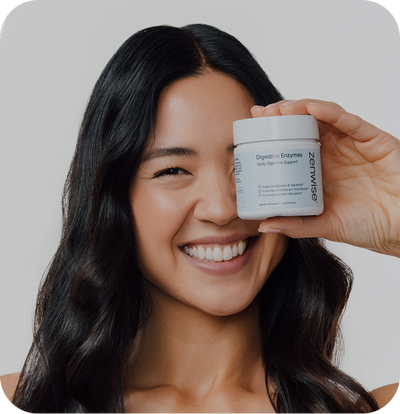
For those who love dairy but find their gut protesting, a targeted approach can make all the difference. Our Digestive Enzymes are formulated with a comprehensive blend of enzymes, including lactase, to help break down lactose and other challenging components in your food. Taking these before meals, especially those containing dairy, can help alleviate the common symptoms associated with lactose intolerance, allowing you to enjoy your protein shake or cheese-laden pasta without the aftermath.
Beyond lactose, the array of added ingredients in many protein powders can be a significant source of gut distress.
These ingredients, particularly when consumed regularly, can contribute to an environment of inflammation and imbalance in the gut, making it harder for your digestive system to function optimally.
Sometimes, the issue isn't what you're consuming, but how much and how quickly. Protein, especially in concentrated forms, takes longer to digest than carbohydrates. When you rapidly consume a large serving (25-30+ grams) of protein powder in a shake, it can overwhelm your digestive system.
Think about it: it takes significantly longer to eat a steak providing 30 grams of protein than it does to gulp down a shake with the same amount. This rapid consumption can be a key factor in post-shake discomfort. If you suspect this is your issue, try splitting your protein powder intake throughout the day or sipping your shake more slowly.
While focusing on protein, it's easy to inadvertently neglect other vital nutrients, particularly fiber. If your protein powder replaces meals or snacks that would typically provide ample fiber, your gut health can suffer. Fiber is critical for:
A diet high in protein but low in fiber can lead to constipation and a less diverse gut microbiome, compounding any digestive issues. Always remember to pair your protein intake with plenty of fruits, vegetables, whole grains, and legumes.
The gut microbiome – trillions of bacteria, fungi, and other microbes living in your digestive tract – plays a profound role in your overall health. Emerging research suggests that high protein intake, especially from certain sources, can influence this delicate ecosystem.
One pilot study, for example, examined how a blend of whey isolate and beef hydrolysate impacted cross-country runners. The findings, while requiring further research for broader conclusions, indicated a potential decrease in the abundance of certain health-associated bacteria like Roseburia, Blautia, and Bifidobacterium longum after 10 weeks of supplementation. This doesn't mean all protein powders are inherently harmful, but it highlights the complex interplay between diet and our microbial inhabitants. Conversely, some plant-based proteins, particularly soy and pea, have been shown in some studies to promote microbial diversity and increase beneficial bacteria like Lactobacillus and Bifidobacterium.
Maintaining a diverse and thriving gut microbiome is paramount for optimal digestion, nutrient absorption, and immune function. If your protein powder routine is disrupting this balance, it might be time to re-evaluate your strategy. Our Digestive Enzymes are not just enzymes; they are a 3-in-1 solution, also incorporating prebiotics and the guaranteed-to-survive spore-forming probiotic, DE111®. This potent combination actively works to support a balanced gut flora and help maintain regularity, addressing concerns about microbial shifts. For women, we also offer specialized Women’s Probiotics, which contain targeted strains along with Cranberry and D-Mannose to support not only gut flora but also vaginal and urinary tract health.
So, does this mean you need to ditch protein powder entirely? Not necessarily! With a mindful approach and the right supportive strategies, you can integrate protein supplements into your diet without the dreaded digestive drama. It's about smart choices and proactive gut care.
Your first line of defense is the ingredient list. Arm yourself with knowledge and scrutinize every label:
Choosing the right type of protein powder can make a world of difference for your gut comfort:
While protein powders offer convenience, they should complement, not replace, protein from whole food sources. Think of protein powder as a supplement to fill gaps, not a foundation for your entire protein intake. Incorporating a diverse array of whole foods is vital for a robust and healthy gut:
A varied diet ensures you're getting a broad spectrum of nutrients that support overall gut health and microbial diversity.
Even with careful choices, sometimes our guts need a little extra help, especially when introducing new foods or dealing with the occasional indulgence. This is where targeted digestive support becomes your best friend, empowering you to enjoy food and maintain comfort.
If protein powder remains part of your routine, here’s how to use it wisely for a happy gut:
By being mindful of your choices and providing your gut with the support it needs, you can harness the benefits of protein powder without the unwelcome side effects.
The question of "is protein powder bad for your gut health?" isn't a simple yes or no. Like many things in nutrition, the answer lies in the nuances: the type of protein, the added ingredients, your individual sensitivities, and your overall dietary patterns. While protein powder can be a convenient tool for meeting your nutritional goals, it's crucial to be an informed consumer and listen to your body's signals.
Ultimately, achieving optimal gut health is about balance, mindful choices, and consistent care. It's about empowering your body to break down and absorb nutrients efficiently, reducing discomfort, and nurturing a thriving gut microbiome. This holistic approach is at the heart of our philosophy at Zenwise Health. We believe that The Key To Good Health Is Gut Health.®
Whether you're battling the occasional bloat, seeking daily digestive harmony, or simply want to ensure your body is getting the most from your meals, we're here to support you. Don't let digestive woes dictate your plate or your post-workout routine. Take control of your gut health, experience the freedom of comfortable digestion, and truly embrace Zenwise. Then Eat.®
Ready to transform your digestive experience and nurture a happier gut? Consistency is vital when it comes to gut health. That's why we encourage you to unlock continuous comfort and savings by signing up for our Subscribe & Save program, giving you 15% off our premium digestive solutions. It's an accessible investment in your long-term well-being, ensuring you always have the support you need, when you need it.
A1: Yes, protein powder can contribute to constipation, especially if your diet is high in protein but lacking in sufficient fiber and fluids. Some ingredients like certain thickeners or an overwhelming amount of protein consumed quickly can also slow down gut transit. Ensuring adequate fiber intake from whole foods and staying hydrated is crucial to counteract this. Our Digestive Enzymes, with added prebiotics and probiotics, also support regularity.
A2: For sensitive stomachs, plant-based protein powders (like pea, rice, or hemp blends) are often a good starting point as they are dairy-free. If you prefer dairy, consider whey protein isolate or hydrolysate, which have lower lactose levels. Always choose brands with minimal added sugars, artificial sweeteners, and unnecessary thickeners or gums. Our Digestive Enzymes can also help with the digestion of various protein sources, making them gentler on your system.
A3: If you consistently experience bloating, gas, or discomfort within a few hours of consuming protein powder, it's a strong indicator that it might be the culprit. Try eliminating it for a week and then reintroducing it to see if symptoms return. You can also experiment with different types (e.g., switch from whey concentrate to a plant-based option) or try taking a digestive enzyme supplement like NO BLØAT® or our Digestive Enzymes before your shake to aid digestion.
A4: To support gut health, it's generally best to limit or avoid protein powders that contain high amounts of added sugars, artificial sweeteners (especially sugar alcohols like erythritol or xylitol), and certain gums or thickeners (like carrageenan, xanthan gum, or guar gum) if you find them irritating. These ingredients can ferment in the gut and lead to gas, bloating, and discomfort. Always read the label thoroughly.
These statements have not been evaluated by the Food and Drug Administration. This product is not intended to diagnose, treat, cure or prevent any disease.
Share this article


