




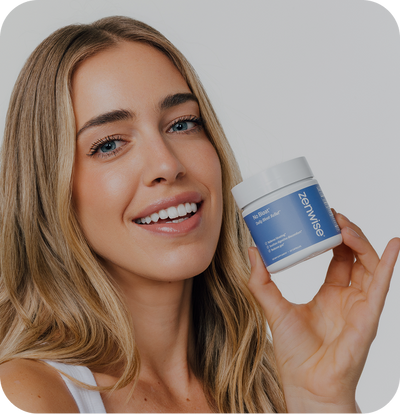
Is It Safe to Take Digestive Enzymes While Pregnant?
February 16, 2026
February 16, 2026

There you are, staring at a plate of delicious pasta or a refreshing summer salad, and instead of excitement, you feel a twinge of "menu anxiety." You’re eating for two now, but it feels like your digestive system didn't get the memo. Instead of efficiently fueling your body and your growing "plus-one," your stomach feels like it’s hosting a balloon animal convention. The jeans—the ones with the stretchy maternity panel—already feel too tight, and you haven't even finished your appetizer.
Digestive discomfort is an almost universal part of the pregnancy journey. From the "morning" sickness that lasts all day to the late-night heartburn that makes sleep impossible, your gut is under a lot of pressure—literally and hormonally. It’s natural to look for relief, but when you’re pregnant, every supplement bottle comes with a side of caution. You might be wondering: is it safe to take digestive enzymes while pregnant?
In this comprehensive look at prenatal gut health, we’re going to dive deep into how pregnancy changes your digestion, which enzymes are generally considered safe, and how you can support your gut microbiome during this transformative time. At Zenwise®, we believe that "The Key To Good Health Is Gut Health.®" and that every mama deserves to enjoy her meals without the aftermath of "food regret." Our goal is to help you reach a place where you can simply "Zenwise. Then Eat.®"
To understand if digestive enzymes are right for you, we first have to look at the biology of the "pregnant gut." Pregnancy isn't just about a growing belly; it's a total hormonal takeover.
The star of the show is progesterone. This hormone is essential for maintaining a healthy pregnancy because it relaxes the muscles of the uterus. However, progesterone isn't a precision instrument—it relaxes all smooth muscles in the body, including the ones in your digestive tract. This leads to a phenomenon often called "slowed gastric emptying."
When your digestive muscles relax, food moves through your stomach and intestines at a snail’s pace. While this gives your body more time to absorb every possible nutrient for your baby, it also leads to some less-than-glamorous side effects:
This is where supplemental support often enters the conversation. If your body is struggling to keep up with the workload, can enzymes help bridge the gap?
Before we talk about safety, let’s talk about function. Digestive enzymes are specialized proteins that act like tiny pairs of scissors. Their job is to snip large food polymers (like complex carbs, proteins, and fats) into smaller, absorbable units (like simple sugars, amino acids, and fatty acids).
Your body naturally produces these in your saliva, stomach, and most notably, your pancreas. The main players include:
During pregnancy, you need these enzymes more than ever. Not only are you processing more calories, but you need to ensure those calories are broken down efficiently so the nutrients can cross the placenta. If your natural enzyme production is slightly sluggish due to hormonal changes, a supplement like our Digestive Enzymes can provide a "3-in-1" support system of enzymes, prebiotics, and probiotics to help your system stay on track.
The short answer is: Generally, yes—but with caveats.
Most digestive enzymes are considered safe because they are "nonsystemic." This means they stay within the gastrointestinal tract to do their job and are not typically absorbed into the bloodstream in significant amounts. Because they stay in the gut, they are unlikely to cross the placenta and affect the baby directly.
However, the world of supplements is vast, and the FDA does not regulate them with the same rigor as prescription drugs. This is why we always emphasize that you should consult with your OB-GYN or midwife before starting any new supplement.
Different enzymes carry different levels of research and "street cred" in the prenatal world:
You may have heard rumors about avoiding papaya during pregnancy. This stems from the fact that unripe or semi-ripe papaya contains high concentrations of a latex substance that can trigger uterine contractions.
However, the Papaya Chewables found in high-quality supplements are typically derived from ripe papaya or highly purified papain. These are designed to kickstart digestion post-meal and are a favorite for many mamas looking for a tasty, effortless way to reduce that "stuffed" feeling. As always, if you are in a high-risk pregnancy, check with your doctor first, but for most, these chewables are a gentle way to find comfort after dinner.
Pregnancy isn't a monolith; your digestive needs will change from the first trimester through the fourth (postpartum). Here’s how you might integrate Zenwise® solutions into your real-life routine:
You’ve been invited to a celebration, and the menu is heavy on the "trigger foods"—creamy sauces, fried appetizers, and rich desserts. You know that within an hour, your stomach will feel like it's triple its size. This is a job for No Bloat Capsules.
Our NO BLØAT® formula is a lifestyle hero. It contains a blend called BioCore Optimum Complete, which includes various enzymes to tackle different food groups, alongside Dandelion Root, Fennel, and Ginger. Dandelion root is particularly helpful for managing water retention (the "pregnancy puff"), while Ginger and Fennel are time-tested botanicals for easing occasional gas and stomach upset.
If you find that even "safe" foods like chicken and rice are making you feel sluggish and irregular, you need a daily foundation. Our Digestive Enzymes are the gold standard for daily care. What makes them unique is the inclusion of DE111®, a spore-forming probiotic. Unlike many probiotics that die off in the harsh, acidic environment of the stomach, DE111® is "armored" to survive until it reaches the small intestine. This ensures that you aren't just taking a supplement; you’re actually populating your gut with the good guys.
Pregnancy also shifts the delicate balance of your vaginal microbiome. If you’re looking to support both your gut and your "down there" health, our Women’s Probiotics are a fantastic addition. They contain Cranberry and D-Mannose to support the urinary tract, alongside probiotics that promote healthy gut and vaginal flora.
While supplements are a powerful tool, they work best when combined with mindful lifestyle choices. Remember, at Zenwise®, we partner with you on your wellness journey; we don't just lecture. Here are some "pro-mama" tips for keeping things moving:
It sounds silly, but digestion really does start in the mouth. Your saliva contains lingual lipase and salivary amylase. By chewing your food thoroughly (some say up to 30 times per bite!), you’re doing half the work for your stomach. This is especially helpful during pregnancy when your stomach acid might be lower or your enzymes are less efficient.
Water is essential for fiber to do its job. Without enough water, fiber can actually make constipation worse. If plain water makes you feel nauseous (a common first-trimester complaint), try adding lemon, ginger, or a splash of electrolyte powder.
A 10-minute walk after a meal can do wonders for peristalsis—the wave-like muscle contractions that move food through your gut. It doesn't have to be a power walk; a gentle stroll around the block tells your body, "Hey, let's get this food moving!"
The "three big meals" approach often doesn't work during pregnancy. The physical pressure of the uterus against the stomach means there’s literally less room. Eating five or six small snacks throughout the day keeps your blood sugar stable and prevents your digestive system from becoming overwhelmed.
When choosing a supplement, you’ll see many brands touting high "CFU" (Colony Forming Unit) counts. But more isn't always better; survivability is what matters.
In our Digestive Enzymes, we use DE111® (Bacillus subtilis). This is a spore-forming bacterium. Think of it like a seed with a very hard shell. This shell protects the probiotic from the heat of the shelf and the acid of your stomach. Once it reaches the warm, nutrient-rich environment of the gut, it "blooms." For a pregnant woman, this reliability is crucial. You want to know that the supplement you are taking is actually delivering the benefits it promises for your regularity and immune support.
Let’s be real: pregnancy is a time when you become very well-acquainted with your bathroom. Whether it’s the "can’t go" struggle or the "went too much" surprise, your bowel movements are a direct window into your internal health.
We like to say that "The Proof Is In The Poop™." A healthy, well-digested meal should lead to a comfortable, regular trip to the bathroom. If you’re noticing undigested food in your stool, excessive gas, or a "heavy" feeling that lasts for days, your body is sending you a signal that it needs an enzymatic assist. There's no shame in the game; we all have guts, and they all need a little love sometimes!
The gut microbiome isn't a "one and done" system. It’s an ecosystem that requires consistent nourishment. This is why we are so passionate about our Subscribe & Save model.
When you subscribe to your favorite Zenwise® products, like our Digestive Enzymes or Women’s Probiotics, you aren't just saving 15% off every order. You are committing to the consistency that your gut needs to thrive.
During pregnancy, your routine is often chaotic. Between doctor's appointments, nursery planning, and work, it’s easy to forget to reorder your supplements. Subscribing ensures that your "bottle of relief" shows up at your door before you run out. Consistency is what allows the probiotics to colonize effectively and the enzymes to keep your digestion smooth day after day.
Pregnancy is a marathon, not a sprint, and your digestive system is the engine that keeps you going. While the "pregnancy glow" is the goal, it’s hard to feel radiant when you’re dealing with the discomfort of a sluggish gut. By understanding how digestive enzymes work and choosing high-quality, science-backed formulas, you can take control of your comfort and focus on the joy of your journey.
Remember, gut health is the foundation for everything—from your immune system to your energy levels. At Zenwise®, we are here to partner with you through every trimester and beyond. Don't wait for the discomfort to become your "new normal."
Visit the Zenwise Health Homepage today to explore our full range of gut-supporting solutions. Ready to commit to your wellness? Subscribe & Save 15% on your first and future orders to ensure your gut health routine never misses a beat. You’ve got enough on your plate—let us help you digest it!
1. Can I take digestive enzymes for morning sickness? While digestive enzymes are primarily designed to help with the breakdown of food and the reduction of gas and bloating, some women find that better digestion helps overall stomach comfort. However, enzymes are not a direct treatment for morning sickness. For nausea, look for ingredients like ginger, which is found in our No Bloat Capsules.
2. Are there any enzymes I should specifically avoid? There is no "black list" of enzymes for pregnancy, but the source matters. Always choose supplements from reputable brands that prioritize purity and transparency. Concentrated, high-dose bromelain (from pineapple) is sometimes debated in high-risk pregnancies, so always clear it with your doctor first.
3. Will taking enzymes make my body "lazy" and stop producing its own? This is a common myth! Taking supplemental enzymes does not stop your pancreas from producing its own. Instead, it simply assists your system when it’s under extra stress—like when you’re growing a human being!
4. How soon can I see results from taking enzymes? Products like No Bloat Capsules and Papaya Chewables are designed for fast-acting relief after a meal. For long-term changes in regularity and gut flora balance, our daily Digestive Enzymes typically show their full benefit after 2–4 weeks of consistent use.
These statements have not been evaluated by the Food and Drug Administration. This product is not intended to diagnose, treat, cure or prevent any disease.
Share this article


