




How to Test for Bacteria in Gut and Reclaim Your Comfort
March 09, 2026
March 09, 2026

We’ve all been there: you’re at a beautiful dinner, the appetizer looks divine, but you find yourself doing "mental math" on the ingredients. You’re wondering if that roasted garlic or the creamy dressing is going to turn your stomach into a literal balloon by the time the main course arrives. Or perhaps you’re standing in front of your closet, sighing because your "skinny jeans" feel like a medieval torture device, and you’ve opted for leggings for the third time this week just to accommodate the mystery bloat. This "menu anxiety" and the frustration of feeling like your digestive system is a temperamental toddler can be exhausting. When your gut isn’t happy, it’s hard for you to be happy.
The quest for relief often leads to one specific question: what exactly is going on in there? People are increasingly looking for ways to understand their internal landscape, specifically asking how to test for bacteria in gut. Whether you are dealing with occasional gas that clears a room or irregularity that makes you feel like a literal brick is sitting in your abdomen, understanding the microbial balance of your system is a powerful first step.
In this post, we’re going to dive deep into the world of gut testing. We’ll explore the difference between breath tests and stool samples, the science of what those tests are actually measuring, and how you can support your system before, during, and after the testing process. At Zenwise Health, we believe that "The Key To Good Health Is Gut Health.®" By the end of this guide, you’ll have a roadmap for navigating these tests and a clear understanding of how to use our "Zenwise. Then Eat.®" philosophy to find the food freedom you deserve.
Before we get into the nitty-gritty of how to test for bacteria in gut, we need to talk about what we’re actually looking for. Your digestive tract is home to trillions of microorganisms, including bacteria, fungi, and viruses. This community is known as your microbiome. Think of it as a bustling city where different neighborhoods have different jobs. When everyone is getting along and doing their part, you feel great. This state of balance is what we strive for every single day.
However, sometimes the "bad" neighborhoods grow too large, or the "good" neighborhoods get displaced. This is often referred to as dysbiosis. When your gut bacteria are out of whack, you might experience occasional bloating, gas, or that sluggish feeling where everything just feels "off." This is where testing comes in. It’s not about finding a "cure" for a disease, but rather about gathering data so you can make informed choices about your diet and supplements. After all, Digestive Enzymes work best when you understand the environment they are entering.
If you’ve decided it’s time to stop guessing and start testing, you’ll likely encounter two primary methods: breath testing and stool testing. Each has its own strengths and provides a different window into your digestive health.
This is one of the most common non-invasive ways to get a snapshot of what’s happening in your small intestine. While most of your gut bacteria should be in your large intestine (the colon), sometimes they decide to "move upstairs" into the small intestine.
How it works: You’ll typically be asked to follow a specific diet for 24 hours (usually white rice and plain chicken—yum, right?) and then fast for 12 hours. At the clinic or at home, you’ll drink a sugar solution (usually glucose or lactulose). Over the next few hours, you’ll breathe into a collection bag at regular intervals.
The Science: Humans don't produce hydrogen or methane gas; only bacteria do. When those bacteria in your gut ferment the sugar you drank, they release these gases. The gases are absorbed into your bloodstream, travel to your lungs, and are exhaled. By measuring the timing and the amount of gas, practitioners can see if there is an overabundance of activity in the small intestine.
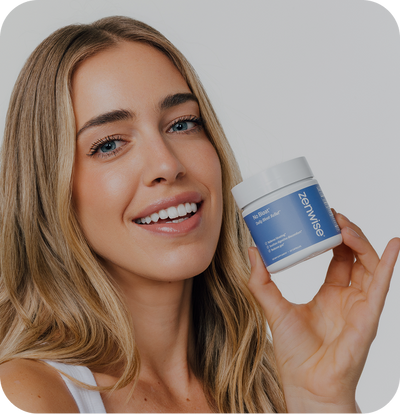
If you find that certain foods—like heavy pastas or cruciferous veggies—leave you feeling like a parade float, you might be dealing with the results of this fermentation. In these moments of "crisis management," having No Bloat Capsules on hand can be a lifesaver. They contain fennel and ginger to help ease that gas and reduce the "balloon belly" feeling within hours.
If the breath test is a "real-time" look at gas production, a stool test is a comprehensive census of who is living in your gut. This is often what people mean when they search for how to test for bacteria in gut.
How it works: You collect a small sample of your stool (don’t worry, the kits are very discreet and user-friendly these days) and send it off to a lab. The lab uses advanced technology, like DNA sequencing, to identify the different species of bacteria present.
The Science: There are two main ways labs "read" your poop:
This information is incredibly valuable. It tells you about your microbial diversity. A diverse gut is generally a resilient gut. If your diversity is low, it might be time to double down on a daily maintenance routine. Our Digestive Enzymes are a "3-in-1" solution that includes prebiotics and probiotics (specifically the hardy DE111® strain) to help support that diversity and maintain a healthy gut flora.
At Zenwise, we like to say "The Proof Is In The Poop™." It’s a bit irreverent, sure, but it’s the truth! Your bowel movements are one of the most direct indicators of your internal health. Before you even get a laboratory test, you can start your own "at-home observation."
Are things moving regularly? Are you experiencing "the splats" or "the struggle"? Testing for bacteria can help explain why your bathroom habits are the way they are. For example, some bacteria are notorious for slowing things down, while others can speed things up uncomfortably. If you are a woman looking to support both your gut and your vaginal health simultaneously, our Women’s Probiotics are formulated with specific strains like L. rhamnosus and L. reuteri, along with Cranberry and D-Mannose for urinary support. It’s about looking at the whole picture of female wellness through the lens of the microbiome.
Understanding how to test for bacteria in gut is great, but how does it translate to your daily life? Let’s look at a few common scenarios where testing and Zenwise support go hand-in-hand.
Imagine it’s Friday night. You’re at your favorite Italian spot. The bread basket is calling your name, and the carbonara looks exquisite. But you know that in two hours, you’ll be unbuttoning your pants under the table.
You’re trying to eat more greens, but every time you have a big kale salad, your stomach feels like it’s tied in knots. It seems unfair—you’re doing the "right" thing, and your gut is punishing you.
You’re busy, you’re traveling, or you’re just someone who grazes throughout the day. You don't always have a full meal, but you often feel a "heavy" sensation in your chest or upper stomach after eating.
When we talk about how to test for bacteria in gut, we are essentially talking about how well your body is breaking down food. If you don't break down your food properly, the bacteria will do it for you through fermentation, which leads to gas.
Enzymes are biological catalysts. They are like tiny pairs of scissors that snip apart the polymers in your food (proteins, fats, and carbs) into smaller pieces (amino acids, fatty acids, and simple sugars) that your body can actually absorb.
Our Digestive Enzymes contain a broad spectrum of these "scissors." But we didn't stop there. We also included DE111®, a spore-forming probiotic. Why does "spore-forming" matter? Because many probiotics are wimps—they die in the harsh, acidic environment of your stomach before they even reach the "neighborhoods" where they are needed. DE111® is built like a tank; it survives the stomach acid to ensure it arrives in the gut ready to support regularity and immune function.
If you’ve decided to move forward with testing, preparation is key to getting accurate results. Most labs will give you a specific protocol, but here are some general rules of thumb:
In the world of digestive wellness, you often get what you pay for. While you can find cheap supplements on every corner, they often lack the "survivability" or the enzyme diversity needed to make a real difference. At Zenwise Health, we pride ourselves on bridging the gap between clinical science and everyday lifestyle.
Our products are priced accessibly (usually between $19–$25), making them a much more affordable first step than many expensive clinical interventions. We want to empower you to take charge of your own comfort. Whether you’re using No Bloat Capsules for those high-stakes meals or our daily Digestive Enzymes for long-term maintenance, you’re investing in the foundation of your health.
Knowing how to test for bacteria in gut is just one piece of the puzzle. To truly achieve food freedom, you should pair your testing and supplements with gut-friendly habits:
We’ve covered a lot of ground today! From the specifics of how to test for bacteria in gut using breath and stool analysis to the clinical-grade support offered by Zenwise products, you are now equipped to handle your digestive journey with confidence.
Remember:
At the end of the day, we want you to be able to say "Zenwise. Then Eat.®" with total peace of mind. Your gut health is the foundation of your energy, your mood, and your comfort. Don't let "menu anxiety" hold you back from enjoying life’s most delicious moments.
1. Can I do a gut bacteria test at home? Yes! Many companies now offer at-home kits for both breath testing and stool analysis. You simply collect the sample (breath or stool) following the provided instructions and mail it back to a certified lab. However, it is always a good idea to discuss the results with a healthcare professional to ensure you're interpreting the data correctly.
2. How long does it take to get results from these tests? Breath test results are often available within a few days, especially if done in a clinic. Stool DNA sequencing is more complex and typically takes between 2 to 4 weeks, depending on the lab and the depth of the analysis being performed.
3. Does insurance cover gut bacteria testing? Clinical breath tests ordered by a gastroenterologist are often covered by insurance, depending on your plan. At-home commercial stool tests are usually out-of-pocket expenses, though some may be eligible for HSA/FSA reimbursement. Always check with your provider first.
4. What should I do if my test shows an imbalance? First, don't panic! The microbiome is dynamic and can be influenced by diet and lifestyle. Focus on increasing your intake of prebiotic fibers, staying hydrated, and incorporating a high-quality supplement like our Digestive Enzymes to support a healthy microbial balance and improve nutrient absorption.
Ready to take control of your digestive journey? Don't wait for the next "bloat crisis" to strike. Subscribe & Save today to get 15% off your favorite Zenwise solutions. Consistency is the key to maintaining a healthy gut microbiome, and our subscription service ensures you never run out of the support you need. Join the Zenwise family and start your journey toward food freedom today!
These statements have not been evaluated by the Food and Drug Administration. This product is not intended to diagnose, treat, cure or prevent any disease.



