




How to Restore Digestive Enzymes Naturally for Gut Comfort
February 24, 2026
February 24, 2026

We’ve all been there: you’re at a beautiful dinner, the atmosphere is perfect, and the food looks divine, but instead of excitement, you feel a creeping sense of "menu anxiety." You’re mentally scanning the ingredients, wondering which one will be the culprit that leaves you unbuttoning your jeans under the table or dealing with a "food baby" that makes your favorite outfit feel three sizes too small. That uncomfortable, heavy, "stuck" feeling isn't just a sign that you enjoyed your meal; it’s often a loud signal from your body that your natural digestive processes could use a helping hand.
At Zenwise®, we believe that you shouldn’t have to fear your fork. Our philosophy is simple: "Zenwise. Then Eat.®" Because we know that "The Key To Good Health Is Gut Health.®" When your digestive system is firing on all cylinders, you have the freedom to enjoy the foods you love without the looming threat of occasional gas and bloating.
The secret to this food freedom often lies in digestive enzymes—those tiny biological "scissors" that snip your food into absorbable nutrients. If you’ve been feeling sluggish or irregular, you might be wondering how to restore digestive enzymes naturally. In this guide, we will dive deep into the world of enzymes, explore the best enzyme-rich foods, discuss the lifestyle habits that protect your gut, and show you how a consistent routine can lead to what we like to call "The Proof Is In The Poop™."
Before we talk about restoration, we need to understand what we’re restoring. Digestive enzymes are specialized proteins produced primarily by your pancreas, small intestine, and stomach. Their job is to facilitate chemical reactions that break down large, complex food molecules into smaller units that your body can actually use.
Think of your digestive tract as a high-tech disassembly line. If you eat a piece of steak, your body can’t just absorb "steak." It needs to break it down into amino acids. If you drink a glass of milk, it needs to break the lactose down into simple sugars. Without enough enzymes, those large food particles sit in your gut, where they can ferment and cause the bubbles, gurgles, and pressure we all know as bloating.
There are three main categories of enzymes you should know:
When people ask how to restore digestive enzymes naturally, they are often looking for ways to support these three categories so their body can handle a diverse diet with ease.
Your body is excellent at communicating, but it doesn't always use words. Instead, it uses symptoms. If you find yourself experiencing occasional gas, a "heavy" feeling after eating even small meals, or irregularity, your enzyme production might be struggling to keep up with your lifestyle.
Perhaps you’ve noticed that your stomach looks significantly flatter in the morning than it does by 7:00 PM. That "end-of-day bloat" is a classic sign that your digestion is lagging. When food isn't broken down efficiently, it lingers in the digestive tract, providing a feast for bacteria that produce gas as a byproduct. By focusing on how to restore digestive enzymes naturally, you’re essentially helping your body "clear the queue" faster.
One of the most effective ways to support your gut is to "eat your enzymes." Nature has conveniently packed many of the enzymes we need into the very foods we consume. However, there’s a catch: enzymes are sensitive to heat. To get the most "enzyme bang for your buck," these foods should ideally be eaten raw or minimally processed.
Pineapple contains a group of proteases called bromelain. Bromelain is famous for its ability to break down tough protein fibers. This is why you’ll often see pineapple used in meat marinades—it literally starts digesting the meat before it even hits the grill! For us, eating a few slices of fresh pineapple can support the breakdown of protein-heavy meals.
Like pineapple, papaya is rich in proteases, specifically one called papain. Papain is so effective at supporting protein digestion that it has been used as a traditional remedy for centuries. If you aren't a fan of the fruit's texture or it’s out of season, you can still get these benefits through Papaya Chewables. These are a fantastic, tasty post-meal option to kickstart your digestion and reduce that "stuffed" feeling.
Ever notice how a mango gets sweeter as it ripens? That’s amylase at work! Mangoes contain amylase enzymes that break down complex starches into simple sugars. This not only makes the fruit delicious but also helps your body process carbohydrates more efficiently.
Raw, unpasteurized honey is a treasure trove of enzymes, including diastase (which breaks down starch), invertase (which breaks down sucrose), and proteases. Be careful, though—heating honey to high temperatures "kills" these enzymes, so keep it raw for the best results.
Avocados are unique because they are high in healthy fats and contain the enzyme lipase. This helps you break down the very fats the avocado provides, as well as fats from other parts of your meal. It’s a self-contained digestive package!
While the foods above provide direct enzymes, fermented foods provide a "factory" for enzymes. Fermented foods are rich in beneficial bacteria (probiotics) that actually produce enzymes as they live in your gut.
To keep your microbiome flourishing long-term, we often recommend incorporating a high-quality supplement. Our Digestive Enzymes are a "3-in-1" solution that includes enzymes, prebiotics, and probiotics. One of the stars of this formula is DE111®, a spore-forming probiotic that is scientifically guaranteed to survive the harsh acids of your stomach to reach your small intestine, where it can actually do its work.
Learning how to restore digestive enzymes naturally isn't just about what you add to your plate; it’s also about how you live. Your body’s ability to produce enzymes can be hampered by stress, age, and even how fast you eat.
Digestion begins in the mouth. When you chew, you’re not just mechanically breaking food down; you’re coating it in salivary amylase. If you inhale your food like you’re in a competitive eating contest, you’re skipping the most important first step of digestion. Try to chew each bite until it’s nearly liquid. Your pancreas will thank you for the head start!
Water is essential for the chemical reactions that enzymes perform. However, drinking three giant glasses of ice water during a meal can sometimes dilute your natural digestive juices. Aim to hydrate consistently throughout the day, but take smaller sips during your actual mealtime.
When you’re stressed, your body enters "fight or flight" mode. Digestion is a "rest and digest" function. If you’re eating while scrolling through stressful emails or driving in traffic, your body diverts energy away from your gut, slowing down enzyme production. Take three deep breaths before your first bite to tell your nervous system it’s safe to eat.
We’ve all had those nights. It’s a celebration, the pasta is homemade, the breadsticks are warm, and you know you’re going to overindulge. This is where "lifestyle hero" products come into play.
"For the person who loves a heavy Italian dinner but hates the feeling of their waistband digging in by dessert, our No Bloat Capsules are a game-changer."
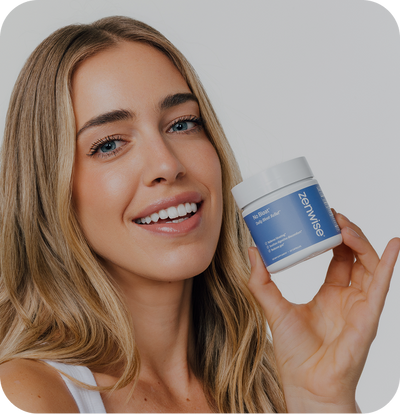
NO BLØAT® is designed for those "crisis" moments or heavy meals. It contains BioCore Optimum Complete, a robust blend of enzymes that targets fats, carbs, and proteins, plus botanical ingredients like Dandelion Root (to help with water retention), Fennel, and Ginger. It’s the perfect companion for travel, holidays, or any time you want to maintain a flat-stomach appearance even after a big meal.
It’s a common saying that "you are what you eat," but in the world of gut health, we say, "you are what you absorb." You could be eating the most expensive, organic, nutrient-dense diet in the world, but if your enzyme levels are low, those nutrients are simply passing through you.
When enzymes break down food into its smallest components, they allow the villi (tiny hair-like structures in your small intestine) to pull those nutrients into your bloodstream. This supports everything from your energy levels and skin health to your immune system. This is why we say "The Key To Good Health Is Gut Health.®" By focusing on how to restore digestive enzymes naturally, you are essentially upgrading your body’s fuel intake system.
Women often face unique digestive challenges due to hormonal fluctuations throughout the month. Estrogen and progesterone can affect gut motility (how fast food moves through you), which can lead to cyclic bloating and irregularity.
Furthermore, the gut microbiome is closely linked to vaginal and urinary tract health. For women looking to support their "down-there" health while also keeping their digestion on track, our Women’s Probiotics are an essential part of the routine. This formula includes specialized probiotics along with Cranberry and D-Mannose to support the urinary tract, ensuring that your gut health supports your overall feminine wellness.
The most common mistake people make when trying to restore their digestive health is being inconsistent. Your gut microbiome is a living ecosystem; it doesn't change overnight. While a product like No Bloat Capsules offers fast relief for immediate discomfort, long-term restoration requires daily dedication.
This is why we strongly advocate for our Subscribe & Save model. Not only does it save you 15% on every order, but it also ensures you never run out of the tools you need. Consistency is scientifically critical for maintaining a healthy gut. When you provide your body with a steady supply of enzymes and probiotics, you allow your digestive system to reach a state of equilibrium. No more "guessing" how you’ll feel after a meal—just reliable, comfortable digestion.
While we focus heavily on what goes into the body, what the body does also matters for enzyme efficiency. Light physical activity, such as a 15-minute walk after a meal, can stimulate "peristalsis"—the wave-like muscle contractions that move food through your digestive tract. This movement helps mix the food with your natural enzymes, speeding up the breakdown process and preventing the stagnation that leads to gas.
Think of it as a gentle stir for your internal chemistry lab. You don't need a heavy workout; in fact, intense exercise right after eating can actually divert blood away from the gut and hinder digestion. A slow, "zen" stroll is the perfect post-meal ritual.
In a world full of expensive, clinical interventions and confusing health jargon, Zenwise Health stands as your partner in wellness. We don't believe that digestive health should be a chore or a source of shame. We tackle the "taboo" topics with a smile because we know that everyone deals with them.
Our products, ranging from $19–$25, are designed to be an accessible, effective part of your daily life. Whether you’re using Digestive Enzymes as your daily maintenance or keeping Papaya Chewables in your purse for an on-the-go boost, we provide solutions that fit your lifestyle—not the other way around.
Restoring your digestive enzymes naturally is a journey of reclaiming your relationship with food. It’s about moving away from the fear of "what if this hurts later?" and moving toward the confidence of "Zenwise. Then Eat.®"
By combining enzyme-rich foods like pineapple and avocado, practicing mindful eating habits, and supporting your system with targeted supplements, you can transform your digestive experience. You deserve to feel light, energized, and comfortable in your own skin. And remember, at the end of the day, we aren't just looking for vague "wellness"—we're looking for results. As we like to say, "The Proof Is In The Poop™." When your regularity is restored and your bloating is a thing of the past, you'll know you've successfully supported your gut's natural brilliance.
1. How long does it take to see results when restoring digestive enzymes? While everyone’s body is different, many people notice a difference in post-meal comfort within just a few days of increasing enzyme-rich foods and starting a supplement like Digestive Enzymes. However, for long-term microbiome support and regularity, we recommend staying consistent for at least 30 days.
2. Can I take digestive enzymes every day? Yes! In fact, daily use is often the best way to prevent occasional bloating and gas before they start. Taking a "3-in-1" formula daily helps ensure that your body has the necessary tools to break down fats, carbs, and proteins in every meal, regardless of what's on the menu.
3. What is the difference between NO BLØAT® and regular Digestive Enzymes? Think of Digestive Enzymes as your daily multivitamin for your gut—it provides a steady foundation of enzymes and probiotics for maintenance. No Bloat Capsules are your "lifestyle hero" for when you need fast-acting relief from heavy meals, travel, or specific "trigger" foods that cause significant bloating.
4. Will cooking food destroy the natural enzymes in it? Mostly, yes. Most digestive enzymes are proteins that begin to denature (break down) at temperatures above 118°F (48°C). This is why incorporating raw fruits like papaya and pineapple, or raw fermented foods like sauerkraut, is the best way to get enzymes directly from your diet.
Your gut health is the foundation of your overall vitality, and your digestive enzymes are the unsung heroes of that system. By understanding how to restore digestive enzymes naturally through a combination of enzyme-rich foods, mindful lifestyle choices, and high-quality supplementation, you can finally say goodbye to the discomfort of occasional bloating and gas.
Don't wait for the next "crisis" meal to take action. Start building a resilient, happy gut today. The most effective way to stay on track is to ensure you never run out of your gut-health essentials. Subscribe & Save today to get 15% off your order and enjoy the peace of mind that comes with a consistent, supportive routine. Your gut (and your favorite pair of jeans) will thank you!
These statements have not been evaluated by the Food and Drug Administration. This product is not intended to diagnose, treat, cure or prevent any disease.
Share this article


