




How Many Probiotic Drinks Can You Have a Day?
April 02, 2026
April 02, 2026

We’ve all been there: you’re at a beautiful dinner party or a favorite local bistro, and the menu looks incredible. But instead of excitement, you feel a familiar twinge of "menu anxiety." You start calculating the potential fallout of the artisan sourdough or the creamy fettuccine. You wonder if your jeans will feel two sizes too small by the time the check arrives. In an effort to get ahead of the discomfort, you might reach for a trendy kombucha or a yogurt-based shot from the refrigerated aisle. Probiotic drinks have become the go-to "gut insurance" for the modern diner, leading many to wonder: how many probiotic drinks can you have a day before you’ve overdone it?
While these fizzy, tangy beverages are often marketed as a cure-all for digestive woes, the reality of gut health is a bit more nuanced. At Zenwise®, we believe that The Key To Good Health Is Gut Health.® However, achieving that health isn’t just about chugging as many fermented liquids as possible. It’s about balance, consistency, and targeted support. In this guide, we will explore the ideal frequency for consuming probiotic drinks, the signs that your gut might be overwhelmed, and how to transition from "crisis management" to a sustainable daily routine. Our goal is to help you reach a state of "Zenwise. Then Eat.®"—where you can approach any meal with confidence and comfort.
The rise of probiotic drinks—ranging from kombucha and kefir to ginger beer and "gut-friendly" sodas—has brought digestive health into the mainstream. This is a positive shift! For too long, topics like gas, regularity, and bloating were whispered about in doctor’s offices. Now, we’re seeing "The Proof Is In The Poop™" mindset take over social media and grocery store shelves.
These drinks typically contain live cultures of beneficial bacteria, such as Lactobacillus or Bifidobacterium. When these microbes reach your gut, they help maintain a diverse microbiome, which is essential for breaking down food, absorbing nutrients, and supporting your immune system. But because these drinks are often sold as refreshing beverages rather than supplements, it’s easy to treat them like regular soda or sparkling water.
Before we determine the daily limit, we need to define what we’re talking about. Not all "gut-healthy" drinks are created equal:
While these can be a part of a healthy diet, they often come with hidden extras like high sugar content or excess carbonation that can actually trigger the very bloating you’re trying to avoid. This is why many people find that Digestive Enzymes offer a more controlled and effective way to support their gut without the added calories or sugar.
The short answer for most healthy adults is one to two servings per day.
However, "one serving" can be deceptive. A single bottle of kombucha from the store often contains two servings, meaning if you drink the whole thing, you’ve reached your daily limit. While there is no "toxic" level of probiotics, consuming them in drink form introduces other variables—sugar, acidity, and carbonation—that can cause digestive friction if overconsumed.
For those who want the benefits of probiotics without the guesswork of drink labels, Zenwise Health provides targeted supplements that deliver specific, science-backed strains directly to where they are needed most.
Your body is excellent at communicating when something is off. If you’ve been overdoing it on the kefir or kombucha, you might notice:
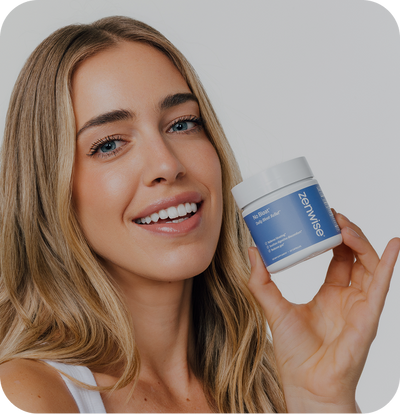
If you find yourself in the middle of a "bloat crisis" because you tried a new fermented drink at lunch, you might need more than just more probiotics. This is a perfect scenario for No Bloat Capsules. Unlike a drink that adds more volume to your stomach, these capsules are designed for fast-acting relief, using enzymes and botanicals like Fennel and Dandelion Root to help ease discomfort and flatten your stomach’s appearance within hours.
Imagine you’re heading out for a weekend of brunching, wedding festivities, or a food festival. You know there will be heavy meals, perhaps some dairy or gluten, and plenty of opportunities to indulge. Many people think, "I’ll just drink a kombucha every morning to stay regular."
While a morning probiotic drink is a fine ritual, it might not be enough to handle the "pasta night" or the "cheese board" that awaits. For the person who loves dairy but hates the aftermath, or the traveler who struggles with irregularity when away from home, a proactive approach is better.
Instead of relying on multiple drinks throughout the day, we recommend starting your day with Digestive Enzymes. This "3-in-1" solution provides:
By taking a supplement before you eat, you’re creating an environment where your body can handle the "fun" foods of a social weekend without the need to carry around three different bottles of fermented tea.
One of the biggest misconceptions about probiotic drinks is that all the bacteria listed on the label actually make it to your gut. Many strains of bacteria used in drinks are very sensitive to temperature and stomach acid. By the time that drink has sat on a delivery truck, a grocery shelf, and finally passed through your stomach’s acidic environment, the actual "live" count may be significantly lower than what was bottled.
This is why we prioritize ingredients like DE111® (Bacillus subtilis) in our formulations. Unlike the delicate strains found in many yogurts, DE111® is a spore-forming probiotic. Think of it like a seed with a hard outer shell. It remains dormant through the heat of processing and the acid of the stomach, only "waking up" and beginning to work once it reaches the safety of the intestines.
If you are a woman looking for even more specific support, our Women’s Probiotics combine these hardy gut-health strains with ingredients like Cranberry and D-Mannose to support vaginal and urinary tract health simultaneously. It’s about more than just "how many drinks"; it’s about the quality and purpose of the microbes you’re introducing to your system.
If you love the taste of probiotic drinks and want to keep them in your rotation, here is how to do it without the digestive drama:
Check the "Added Sugars" section. Aim for drinks with less than 10 grams of sugar per bottle. If it’s higher, consider drinking half and saving the rest for tomorrow.
Sip your probiotic drink slowly over thirty minutes. This prevents a sudden "gas bubble" from forming in your stomach and gives your microbiome time to adjust to the influx of new microbes.
If you’re having a probiotic drink, make sure you’re also eating plenty of whole-food fibers (vegetables, legumes, whole grains). Probiotics need "food" (prebiotics) to thrive. Without fiber, those expensive drinks are just passing through.
Sometimes, you just need a little extra help after a heavy lunch, but you don’t want a whole bottle of liquid. This is where Papaya Chewables come in. They are a tasty, effortless way to kickstart digestion using the natural power of papain and protease enzymes. They provide that "digestive spark" without the calories or carbonation of a drink.
When it comes to the microbiome, more is not always better. Consistency is the real secret. Your gut is a dynamic ecosystem; it doesn’t need a massive "flood" of probiotics once a week; it needs a steady, reliable "stream" of support every single day.
This is the fundamental flaw in the "I’ll just have four probiotic drinks today because I feel bloated" strategy. If you only address your gut when it’s complaining, you’re always playing catch-up.
To help our community maintain that critical consistency, we offer a Subscribe & Save model. By subscribing to your core gut health essentials—like our Digestive Enzymes—you not only ensure you never run out, but you also save 15% on every order. It turns gut health from a "crisis management" chore into an effortless part of your daily wellness routine.
Let’s look at a common situation: Friday night Italian. You know the meal is going to be heavy on the carbs and perhaps a bit more oil than you usually cook with at home.
The second strategy is more targeted, more comfortable, and doesn’t involve carrying a bottle of fermented liquid to a restaurant.
We believe that food should be a source of joy, connection, and fuel—not a source of fear or physical discomfort. When we say "Zenwise. Then Eat.®", we’re inviting you to prepare your body for the experience of eating.
Probiotic drinks are a wonderful accompaniment to a healthy lifestyle, but they shouldn’t be your only line of defense. By combining the occasional probiotic drink (for the taste and the tradition) with scientifically formulated supplements (for the reliability and the results), you create a robust digestive system that can handle whatever life—or the menu—throws your way.
Achieving food freedom means knowing your limits and having the right tools in your kit. If you’ve decided that one probiotic drink a day is your "sweet spot," great! But don't stop there. Here’s how to round out your gut-health toolkit:
So, how many probiotic drinks can you have a day? While the answer is generally one or two, the more important question is: How is your gut actually feeling?
If you’re relying on drinks to "fix" a constant state of bloating, it’s time to look deeper. Gut health is a marathon, not a sprint. It’s about the small, consistent choices—like choosing a spore-forming probiotic that actually survives to the gut, or using enzymes to help your body process food more efficiently.
By prioritizing your digestive foundation, you can move past the taboos of gas and bloating and get back to living a life focused on food freedom and confidence. Remember, the goal isn't just to survive your meals—it's to thrive because of them.
1. Can I drink kombucha and take a probiotic supplement on the same day? Yes! Most people find that a combination of fermented foods/drinks and a targeted supplement works best. The supplement (like our 3-in-1 Digestive Enzymes) provides a consistent baseline of specific strains, while the drink provides variety. Just be mindful of how your body reacts to the total amount of "new" bacteria.
2. What happens if I have too many probiotics in one day? While not dangerous, you may experience "the runs," increased flatulence, or a temporary feeling of being extra bloated. If this happens, simply scale back your intake for a few days and focus on drinking plenty of water.
3. Is it better to drink probiotics on an empty stomach? For drinks like kombucha, some people prefer an empty stomach to maximize absorption, but others find the acidity causes a "sour" stomach. For supplements, we recommend taking them right before a meal (Zenwise. Then Eat.®) so the enzymes can assist in breaking down the food as you consume it.
4. Do probiotic drinks actually help with immediate bloating? Rarely. In fact, because of the carbonation and sugar, they can often make immediate bloating worse. For fast relief, you’re better off with a targeted solution like No Bloat Capsules, which contain ingredients specifically chosen to reduce gas and water retention quickly.
Ready to stop guessing and start feeling better? Don't wait for the next "bloat crisis" to take action. Invest in your foundation. Subscribe & Save on your favorite Zenwise® products today to receive 15% off and ensure your gut gets the daily support it deserves. Whether it’s the daily support of our Digestive Enzymes or the crisis management of No Bloat Capsules, we’re here to help you achieve the food freedom you've been looking for.
These statements have not been evaluated by the Food and Drug Administration. This product is not intended to diagnose, treat, cure or prevent any disease.



