




How Many Digestive Enzymes Are in the Human Body?
March 04, 2026
March 04, 2026

You are sitting at your favorite restaurant, the one with the legendary four-cheese lasagna or the massive sourdough pizzas. Instead of savoring the aroma of garlic and melting cheese, you are doing "menu math." You are calculating the exact distance from your table to the restroom, wondering if your favorite pair of jeans will still zip by dessert, and feeling that all-too-familiar "menu anxiety." If your social life feels like it’s being held hostage by your digestive tract, you aren't alone. We’ve all been there—trying to look casual while secretly unbuttoning a top button under the table because the bloating has turned your midsection into a temporary parade float.
The culprit behind this discomfort often boils down to a tiny, microscopic workforce: enzymes. Most people know that enzymes have something to do with digestion, but few realize the sheer scale of this biological operation. In this post, we are going to explore exactly how many digestive enzymes are in the human body, the specific roles they play in breaking down your favorite meals, and why your internal "bank account" of enzymes might be running low. At Zenwise®, we believe that The Key To Good Health Is Gut Health.® By understanding the mechanics of your microbiome and the power of supplemental support, you can stop fearing the menu and get back to the joy of eating. Our philosophy is simple: Zenwise. Then Eat.®
When we ask the question, "how many digestive enzymes are there in the human body," the answer is both staggering and a bit complex. Science suggests that there are approximately 75,000 different types of enzymes operating within the human body at any given moment. However, it is important to distinguish between the two major categories: metabolic enzymes and digestive enzymes.
Metabolic enzymes are the multi-taskers that keep your heart beating, your lungs breathing, and your cells regenerating. Digestive enzymes, on the other hand, have one primary mission: to act as biological catalysts that speed up the chemical breakdown of the food you eat. Without them, even a simple cracker would take weeks to digest.
While there are thousands of enzyme variations, they generally fall into three "elite squads" based on the type of food they target:
Understanding this balance is crucial because if you are lacking in one specific squad, you’ll feel it. For example, if you love a good steak but your body is low on proteases, that protein sits in your gut longer than it should, leading to that "brick in the stomach" feeling. This is where a daily "3-in-1" solution like our Digestive Enzymes comes into play, providing a comprehensive blend of enzymes, prebiotics, and probiotics to ensure every squad is fully staffed.
Digestion doesn't start in the stomach; it starts the second you smell your food. The human body has strategically placed enzyme "stations" throughout the gastrointestinal tract to ensure nothing goes to waste.
As you chew, your salivary glands release Salivary Amylase. This is why if you chew a piece of bread long enough, it starts to taste sweet—the enzymes are already turning the starch into sugar. You also have Lingual Lipase, which begins the breakdown of fats right on the tongue.
Once food hits the stomach, it encounters Pepsin, a powerful protease that thrives in the highly acidic environment of gastric juice. The stomach also secretes Gastric Lipase. This stage is vital for prepping proteins for absorption. However, for many people, the stomach's natural production isn't enough to handle the sheer volume of modern, processed meals.
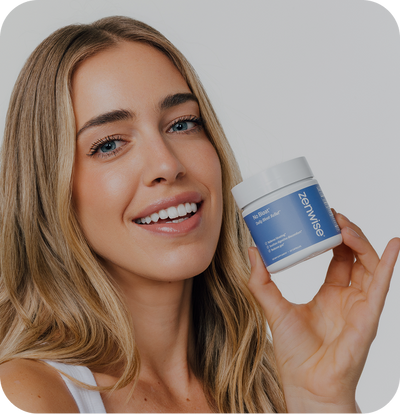
The pancreas is the undisputed "powerhouse" of the digestive system. It produces a potent cocktail of enzymes, including Trypsin, Chymotrypsin, and Pancreatic Lipase, which are emptied into the small intestine. This is where the real work happens. If your pancreas is sluggish, or if you’ve had a particularly "heavy" meal (we’re looking at you, Friday Night Fried Chicken), your system might need a little backup. Using No Bloat Capsules during these moments can provide the extra enzymatic support needed to process those fats and proteins before they cause gas and discomfort.
The walls of the small intestine produce enzymes like Lactase (for dairy), Sucrase (for sugar), and Maltase. This is the final step where nutrients are broken down into their smallest possible forms to be absorbed into the bloodstream.
If our bodies are so good at making enzymes, why do we still end up bloated and irregular? Think of your enzyme potential like a savings account. Every time you eat raw, living foods (like sprouts, pineapple, or fermented sauerkraut), you are making a "deposit" because these foods contain their own enzymes to help with self-digestion.
However, most of us live on a diet of "dead" foods—processed, pasteurized, and cooked at high temperatures. These foods have zero enzyme activity, meaning your body has to "withdraw" from its internal reserves to get the job done. Over time, factors like aging, stress, and poor diet can lead to an enzyme deficit. When you run out of "cash" in your enzyme account, the result is the dreaded bloat.
For the person who loves dairy but hates the aftermath, or the one who finds that even a healthy salad causes a "food baby" by 3:00 PM, the issue often isn't the food—it's the lack of tools to dismantle it. Integrating Digestive Enzymes into your daily routine is like setting up a direct deposit for your gut health. It ensures that whether you’re eating a raw salad or a cooked burger, your body has the Amylase, Protease, and Lipase it needs to keep things moving.
Digestive issues don't happen in a vacuum; they happen at weddings, on vacations, and during big work presentations. Here is how to navigate common real-world challenges with an enzyme-first mindset.
We’ve all been there. It’s a celebration, the wine is flowing, and the carbonara is calling your name. You know that within two hours, you’ll be looking for a loose-fitting sweater to hide the distention. This is a classic case for "crisis management."
You’re busy. Lunch is often a sandwich at your desk or a quick wrap between meetings. These processed meals are enzyme-depleted, leading to mid-afternoon sluggishness and irregularity.
Sometimes, you just want something sweet after dinner, but you know the sugar and starch will leave you feeling heavy and uncomfortable before bed.
Women often face a unique set of digestive hurdles, frequently linked to hormonal shifts that affect both the gut and the vaginal microbiome.
Not all enzyme supplements are created equal. If you’ve tried a generic bottle from a big-box store and didn't see results, it’s likely because the enzymes weren't diverse enough or didn't survive the journey to your intestines.
At Zenwise®, we focus on the "3-in-1" advantage. Our Digestive Enzymes don't just give you a single enzyme; they provide a full spectrum to break down fats, carbs, proteins, and even difficult-to-digest fibers (cellulose).
Moreover, we include DE111® (Bacillus subtilis). Most probiotics are delicate; they die off the moment they hit your stomach acid. DE111® is different. It's a hardy, spore-forming probiotic, meaning it stays protected until it reaches the lower GI tract where it can actually do its job. When you combine this with our enzyme blend, you aren't just treating a symptom; you are optimizing your entire digestive architecture. We like to say, "The Proof Is In The Poop™"—when your enzymes are working, your regularity and comfort will speak for themselves.
Let’s be honest: talking about gas, "oily stools," and the mechanics of the colon isn't exactly high-brow dinner conversation. But avoiding the topic is what keeps people suffering in silence. At Zenwise®, we believe in tackling the "poop talk" head-on.
Digestive health is messy, literally and figuratively. If you’ve ever had to "crop dust" a grocery store aisle because of a bean burrito, you know the struggle. If you’ve ever felt like your stomach was auditioning for a role in a plumbing commercial with all the gurgling, you aren't alone. We use humor because it removes the shame. When we stop being embarrassed by our biology, we can start fixing it. Whether you are using No Bloat Capsules for emergency relief or Papaya Chewables for a little post-dinner assist, you are taking control of your comfort. There is no reason to live in fear of your own digestion.
While supplementing with Digestive Enzymes is a game-changer, we also encourage a lifestyle that supports your natural enzyme potential.
The gut microbiome is not a "one and done" system. It is a living, breathing ecosystem that requires consistent care. Think of it like a garden; you can't just water it once and expect it to bloom all year. This is why we are so passionate about our Subscribe & Save program.
When you choose to subscribe to your favorite Zenwise® products, like our Digestive Enzymes or our Women’s Probiotics, you aren't just saving 15% off every order. You are ensuring that you never have a "gap" in your gut health routine. Consistency is scientifically critical for maintaining a healthy balance of bacteria and enzymes. Plus, at a price point that ranges between $19 and $25, it’s an accessible way to invest in your wellness without the high cost of clinical interventions.
Understanding how many digestive enzymes are in the human body reveals a complex, beautiful system designed to fuel your life. From the 75,000 total enzymes keeping your cells running to the specific Amylase and Protease squads tackling your dinner, these microscopic heroes are the gatekeepers of your energy and comfort.
When your internal enzyme bank runs low due to age, stress, or a diet of processed foods, you don't have to just "live with" the bloating and gas. By partnering with Zenwise®, you can replenish those reserves and reclaim your food freedom. Whether you need the daily maintenance of our Digestive Enzymes or the rapid relief of No Bloat Capsules, we are here to support your journey.
Stop doing menu math and start enjoying your meals again. Remember, the foundation of a vibrant life starts in the gut. Choose your support, stay consistent, and get back to the things you love.
Ready to transform your gut health? Zenwise Health is your partner in digestive wellness. Subscribe & Save 15% today to ensure your gut never skips a beat!
While raw foods like pineapple (bromelain) and papaya (papain) contain natural enzymes, most modern diets are heavy on cooked and processed foods which are devoid of enzyme activity. Additionally, as we age, our body's natural production of enzymes naturally declines. For many, supplementing with a broad-spectrum blend like Digestive Enzymes provides the necessary "backup" to ensure comfortable digestion regardless of what's on the plate.
Think of digestive enzymes as the "tools" that break down the food, and probiotics as the "workers" that keep the environment healthy. Enzymes are proteins that chemically dismantle fats, carbs, and proteins. Probiotics are live, beneficial bacteria that support immune health, regularity, and a balanced gut environment. Our core products often combine both for a synergistic effect.
It depends on the goal! For immediate, occasional bloating after a heavy meal, No Bloat Capsules are designed to provide relief within hours. For long-term regularity and improved nutrient absorption, consistent daily use of Digestive Enzymes is recommended, with most people noticing a "The Proof Is In The Poop™" difference within 1–2 weeks.
Most people tolerate digestive enzymes very well since they are duplicating what the body already produces. However, some people might experience temporary mild changes in stool consistency as the body adjusts to more efficient digestion. We always recommend starting with the suggested dose on the bottle and staying hydrated to support the process.
These statements have not been evaluated by the Food and Drug Administration. This product is not intended to diagnose, treat, cure or prevent any disease.



