




How Long for Gut Bacteria to Recover After Antibiotics?
February 09, 2026
February 09, 2026

We’ve all been there: you finally finish that round of antibiotics for a stubborn sinus infection or a dental "surprise," and while you’re relieved the infection is gone, your midsection has other ideas. Maybe your favorite pair of jeans suddenly feels three sizes too small by 2:00 PM, or perhaps you’re experiencing "menu anxiety"—that frantic scanning of a restaurant menu to see which dish won't leave you running for the nearest restroom. It’s the classic antibiotic trade-off: you’ve cleared the "bad" bacteria, but your "good" microscopic roommates have taken a serious hit, too.
In this article, we’re going to dive deep into the internal construction zone that is your gut microbiome post-medication. We’ll answer the burning question—how long for gut bacteria to recover after antibiotics?—while exploring the biological "scorched earth" policy these drugs often enact. We’ll also walk through the specific phases of recovery and provide a science-backed roadmap to getting your digestion back on track.
At Zenwise Health, we live by the philosophy that "The Key To Good Health Is Gut Health.®" When your internal ecosystem is out of whack, everything from your mood to your energy levels can feel a bit "off." Our goal is to help you bridge the gap between that clinical prescription and your everyday lifestyle, so you can get back to saying, "Zenwise. Then Eat.®" without the fear of post-meal regret.
Antibiotics are, without question, one of the greatest triumphs of modern medicine. They save millions of lives by hunting down and neutralizing pathogenic bacteria. However, most antibiotics are "broad-spectrum," meaning they aren't exactly precision-guided missiles. They function more like a microbial lawnmower—they cut down the "weeds" (the infection), but they also take out the "flowers" (your beneficial gut flora) in the process.
Your gut is home to trillions of microorganisms that help you break down fiber, synthesize vitamins like B12 and K, and keep your immune system from overreacting. When you introduce an antibiotic, the richness and diversity of this ecosystem can drop significantly within just a few days. For some people, this leads to the dreaded "Antibiotic-Associated Diarrhea," while for others, it manifests as stubborn, occasional bloating that makes every meal feel like a chore.
Understanding the "why" behind this disruption is the first step toward reclaiming your comfort. When the beneficial bacteria are suppressed, the balance of power shifts. This allows less friendly, opportunistic microbes to take up more "real estate" in your intestines. It’s this imbalance that leads to the gas, gurgling, and irregularity that many of us face after a round of meds.
So, let’s get to the million-dollar question: how long does the recovery actually take? If you’re looking for a quick, one-size-fits-all number, the answer is usually "it depends." However, current research gives us a general timeline that we can use as a guide.
For most healthy adults, the gut microbiome begins its initial "repopulation" phase almost immediately after the last dose of antibiotics is finished. Scientists have observed that a large portion of the gut's bacterial composition returns to its baseline state within one to two months.
However, "baseline" doesn't always mean a full recovery. Some studies have shown that while the quantity of bacteria might return to normal within eight weeks, the diversity—the number of different species—can remain altered for six months or even up to a year. In some cases, specific "keystone" species of bacteria might never fully return on their own without active intervention through diet and supplementation.
To better understand how to support your body, it helps to look at the recovery process in three distinct phases.
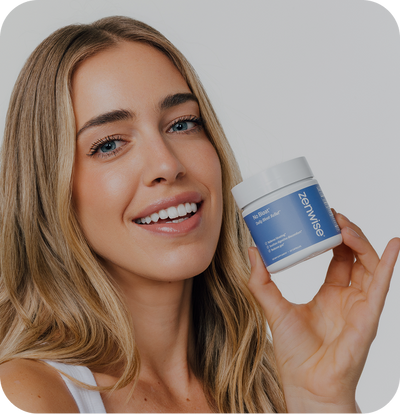
This occurs while you are actually taking the medication and for the first few days after. Your microbial diversity is at its lowest. During this time, the goal is "crisis management." This is often when people feel the most physical discomfort. If you find yourself avoiding your favorite foods because you’re afraid of how your stomach will react, you aren't alone. For those moments when your clothes feel way too tight after a simple meal, our No Bloat Capsules can be a lifesaver. They feature BioCore® Optimum Complete enzymes and Dandelion Root to help ease that heavy, "balloon-like" feeling within hours.
As the antibiotic leaves your system, the "gates" are open. Both good and bad bacteria are competing to see who can colonize the empty spaces first. This is a critical window for intervention. If you feed the "bad guys" (lots of refined sugar and processed foods), they might take over. If you feed the "good guys" (fiber, prebiotics, and probiotics), you’re tilting the scales in favor of long-term health.
About two to three months out, your gut reaches a new equilibrium. Our mission at Zenwise® is to make sure this "new normal" is as robust and healthy as possible. This is where "The Proof Is In The Poop™"—you should be seeing regularity, feeling energized, and enjoying food freedom again.
If you and a friend both take the same antibiotic, your recovery paths might look completely different. Several factors influence how long for gut bacteria to recover after antibiotics:
Imagine this: You’ve just finished a course of antibiotics. You feel better, the infection is gone, and you want to celebrate with a big bowl of creamy carbonara and garlic bread. Halfway through the meal, your stomach starts to gurgle. Within thirty minutes, you’re unbuttoning your pants under the table.
This is a classic post-antibiotic scenario. Your body’s natural supply of enzymes—the tiny proteins that break down fats, carbs, and dairy—has been temporarily depleted along with your bacteria. To help your body handle these heavier "celebration" meals, we recommend keeping Digestive Enzymes as part of your daily core routine.
Our "3-in-1" formula is a powerhouse for recovery. It doesn’t just offer enzymes to break down that pasta; it includes prebiotics and the spore-forming probiotic DE111®. Unlike many other probiotics that die in the harsh, acidic environment of the stomach, DE111® is clinically studied to survive and reach the small intestine, where it can actually get to work supporting your regularity and immune health.
If you’re currently wondering how to speed up the "how long for gut bacteria to recover after antibiotics" timeline, these strategies are your best bet.
Probiotics are the "seeds," but prebiotics are the "fertilizer." To get your good bacteria to grow, you need to feed them. Focus on foods high in inulin and fructooligosaccharides (FOS).
Not all probiotics are created equal, especially when your gut is in a sensitive state. Many "refrigerated" probiotics are delicate. We prefer spore-forming strains like DE111® because they are naturally "armored" to survive the journey through your digestive tract. When you're consistent with Digestive Enzymes, you're ensuring that these beneficial bugs are delivered right where they're needed most.
While supplements provide a concentrated dose, whole foods offer a variety of "wild" bacterial strains.
Did you know your gut and brain are in constant communication via the Vagus nerve? High stress levels can actually slow down your gut’s physical motility, making bloating and discomfort even worse. After a round of antibiotics, your body is already under physiological stress. Give it a break with:
Antibiotics can sometimes be hard on the kidneys and liver, and the resulting microbiome shift can lead to changes in water retention. Drinking plenty of water helps flush out metabolic waste and keeps things moving through the colon, preventing the "traffic jam" that leads to irregularity.
For women, the impact of antibiotics often extends beyond the digestive tract. Because the microbiome is a system-wide network, a disruption in the gut can often lead to imbalances in vaginal and urinary tract health. It’s the "one-two punch" that many women dread when starting a prescription.
If you’re a woman looking to support your flora from both ends, our Women’s Probiotics are specifically designed for this purpose. They contain a blend of probiotics focused on gut and vaginal health, plus Cranberry and D-Mannose to support urinary tract function. It’s about more than just avoiding bloating; it’s about maintaining your overall confidence and comfort.
Sometimes, you do everything right—you eat the fiber, you drink the water—but that post-lunch slump still hits you like a brick. If you find yourself feeling sluggish and "stuffed" even after a healthy meal, you might need a little kickstart to your digestion.
For an effortless, tasty way to support your gut health on the go, our Papaya Chewables are a fan favorite. They use the natural power of papain (from papaya) and bromelain (from pineapple) to start breaking down proteins the moment they hit your stomach. It’s the perfect way to "bridge the gap" during those 1–2 months of recovery when your body is still relearning how to handle a full plate.
One of the most common mistakes people make is taking a probiotic for three days, feeling a little better, and then stopping. When it comes to the microbiome, consistency is everything. Think of it like training for a marathon; you wouldn't run one mile and expect to be ready for the big race. Your gut bacteria need a steady, predictable environment to flourish.
This is why we aggressively encourage our community to utilize the Subscribe & Save model. Not only does it save you 15% off every order—making high-quality gut support as accessible as $19–$25 per month—but it ensures you never have a "gap" in your routine. Maintaining a steady intake of enzymes and probiotics is scientifically critical for ensuring that your "new normal" is a healthy one. When you have your Digestive Enzymes arriving at your door like clockwork, you’re making a long-term investment in your food freedom.
To wrap up, let's summarize the key takeaways for anyone currently navigating the post-antibiotic landscape:
At the end of the day, your gut is incredibly resilient. While antibiotics might feel like they’ve hit the "reset" button on your internal ecosystem, your body has an amazing capacity to heal and find balance again. By being proactive with your diet, managing your stress, and utilizing the right tools, you can significantly shorten the time it takes to feel like yourself again.
Remember, gut health isn't just about avoiding a "gurgly" stomach; it’s the foundation for your energy, your immunity, and your overall well-being. Don’t leave your recovery to chance. Take control of your digestive journey, prioritize consistency, and get back to enjoying your favorite meals with confidence.
Ready to commit to your gut’s comeback? Subscribe & Save today to get 15% off your order and ensure your microbiome has the consistent support it needs to thrive. Because when your gut is happy, everything else follows.
1. Should I wait until I finish my antibiotics to start taking probiotics? Actually, current research suggests you can (and should) start supporting your gut while you are still taking the medication. Just try to space out the probiotic and the antibiotic dose by about 2–4 hours. This ensures the antibiotic doesn't immediately neutralize the "good" bacteria you just swallowed. Using a hardy strain like DE111® found in our Digestive Enzymes is especially helpful here.
2. Can I speed up the recovery process with a liquid-only diet or a "cleanse"? We generally advise against "cleanses" immediately after antibiotics. Your gut needs substance—specifically fiber and diverse nutrients—to rebuild its bacterial colonies. A liquid-only diet might actually starve the beneficial bacteria that are trying to regrow. Focus on whole, nutrient-dense foods instead.
3. Why do I feel more bloated after taking antibiotics, even if I'm eating healthy? This is often due to "dysbiosis"—the imbalance between good and bad bacteria. Even healthy fiber-rich foods can cause gas if you don't have enough of the specific bacteria needed to break them down. This is the perfect time to use Papaya Chewables or enzymes to help your body "process" those healthy foods while your microbiome catches up.
4. How do I know if my gut has fully recovered? The most reliable sign is "The Proof Is In The Poop™." You should be experiencing daily, easy-to-pass bowel movements, a significant reduction in occasional bloating, and an overall sense of "lightness" after meals. If you can eat a variety of foods without immediate distress, you’re likely back to a healthy baseline!
These statements have not been evaluated by the Food and Drug Administration. This product is not intended to diagnose, treat, cure or prevent any disease.
Share this article


