




Does Alcohol Kill Good Gut Bacteria? What to Know
February 09, 2026
February 09, 2026

We’ve all been there: the "menu anxiety" that hits when you’re out for a celebratory dinner, followed by that all-too-familiar feeling of your jeans getting uncomfortably tight after just one craft cocktail or a glass of red wine. You might joke with your friends about "sterilizing" your system after a big night out, but deep down, you’re likely wondering about the real-world consequences of that happy hour. Does alcohol kill good gut bacteria, or is your microbiome more resilient than you think?
The conversation around alcohol and health is often polarizing, shifting between "a glass of wine is heart-healthy" and "any drop is a disaster." At Zenwise®, we believe in bridging the gap between clinical science and your actual life. We know that for many, a social drink is part of the "Eat, Drink, and Be Merry" philosophy. However, we also know that The Key To Good Health Is Gut Health.® Understanding how alcohol interacts with your internal ecosystem is the first step toward achieving true food freedom and digestive comfort.
In this deep dive, we will explore the biological impact of alcohol on your microbiome, the truth about "leaky gut," and how you can support your system so you can enjoy your life without the "bloat-mageddon" that often follows. We’ll cover the science of dysbiosis, the importance of enzyme support, and practical strategies to keep your gut in check—because at the end of the day, we want you to be able to say, "Zenwise. Then Eat.®" (and maybe even have that occasional toast) without fear.
To answer the burning question: yes and no. If you were to pour a bottle of 70% isopropyl alcohol onto a petri dish of bacteria, it would be a total wipeout. However, the alcohol you drink is diluted by your saliva, stomach acid, and the food in your belly. It doesn't exactly "bleach" your gut in one fell swoop. Instead, alcohol acts as a disruptor.
Think of your gut microbiome as a high-end, exclusive nightclub. In a healthy state, the "bouncers" (good bacteria like Lactobacillus and Bifidobacterium) keep the riff-raff out and ensure everyone inside is behaving. When alcohol enters the scene—especially in excess—it’s like letting a rowdy group into the club that starts knocking over tables and bothering the guests.
Alcohol doesn't just "kill" bacteria; it changes the neighborhood. Studies show that chronic or excessive alcohol consumption can lead to a state called dysbiosis. This is a fancy clinical term for a gut that’s gone "out of whack."
When you drink, the ethanol and its byproduct, acetaldehyde, can suppress the growth of beneficial, "friendly" bacteria. Meanwhile, certain "unfriendly" bacteria—like those in the Proteobacteria family—actually thrive in an alcohol-rich environment. They are the party crashers who stick around too long, leading to gas, occasional bloating, and that "I regret everything" feeling the next morning.
For those who find that even a single drink leads to a visible "pooch" or digestive distress, the issue is often that your gut's microbial balance is already precarious. Supporting that balance daily with a high-quality supplement like Digestive Enzymes can help ensure your "bouncers" are strong enough to handle the occasional rowdy guest.
One of the most significant ways alcohol impacts your health is by challenging the integrity of your intestinal lining. We often use the analogy of a brick wall to describe your gut barrier. In a healthy gut, the "bricks" (epithelial cells) are held together by tight junctions (the "mortar"). This wall is designed to let nutrients through into the bloodstream while keeping toxins and undigested food particles out.
Alcohol is a known solvent. In high enough amounts, it can begin to "eat away" at the mortar. When those tight junctions loosen, you end up with what is colloquially known as "leaky gut" (or increased intestinal permeability).
When your gut becomes "leaky," substances that should stay in your digestive tract begin to slip into the bloodstream. This triggers your immune system to go on high alert, leading to systemic inflammation. This is often why a night of drinking doesn't just affect your stomach—it can lead to brain fog, skin breakouts, and joint discomfort.
The "Proof Is In The Poop™," as we like to say. If your bathroom habits become irregular or "loose" after drinking, it’s a clear signal from your body that the intestinal barrier is struggling. To help reinforce this barrier and support the "bricks" of your gut wall, many people turn to probiotics that are specifically designed to survive the harsh environment of the stomach.
Our Digestive Enzymes contain DE111®, a spore-forming probiotic. Unlike many fragile probiotics that die off before they even reach your intestines, DE111® is "armored" to survive stomach acid, ensuring it actually reaches the gut where it can do the heavy lifting of supporting regularity and immune function.
Alcohol doesn't act alone. Once it’s consumed, it’s primarily the liver’s job to detoxify the ethanol. However, your gut bacteria are actually the "first responders." They begin metabolizing the alcohol before it even hits your liver.
If your microbiome is imbalanced, your gut bacteria may produce higher levels of acetaldehyde—a toxin that is significantly more potent than alcohol itself. This creates a double-whammy: your gut is inflamed, and your liver is overwhelmed.
The "beer belly" or the "wine bloat" isn't just about the calories in the drink. It’s about gas production. When alcohol slows down your digestion, food sits in your small intestine longer than it should. The "bad" bacteria then have a field day, fermenting that food and releasing carbon dioxide and methane gas.
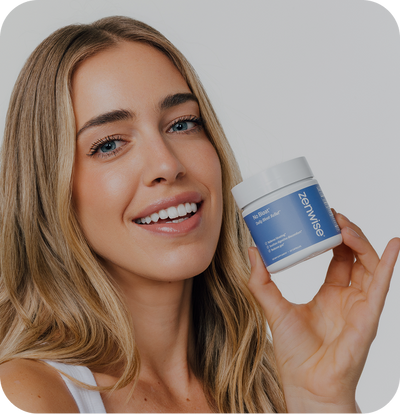
If you’re planning a "pasta and Pinot" night, your system is dealing with the double-stress of simple carbs and alcohol. For these lifestyle moments, we recommend having No Bloat Capsules in your purse or pocket. This "Lifestyle Hero" is designed for crisis management. It features BioCore Optimum Complete enzymes to break down those heavy carbs and fats, along with botanicals like Dandelion Root, Fennel, and Ginger to help ease water retention and flatten the appearance of your stomach within hours.
We know you’re not living in a clinical trial. You’re living in the real world where weddings, vacations, and "Taco Tuesdays" happen. Here is how to navigate common scenarios while protecting your gut health.
You eat clean all week, but come Friday night, the margaritas are flowing. By Saturday morning, your "wellness glow" has been replaced by a "bloat-tastrophe."
You enjoy a nightly glass of red wine to wind down. You’ve heard about the polyphenols, but you’ve also noticed your digestion feels "sluggish."
Women often face a unique challenge with alcohol: it can disrupt the delicate pH balance of both the gut and the vaginal microbiome, sometimes leading to yeast overgrowth or urinary tract discomfort.
Sometimes, a dessert drink or a sweet cocktail feels like the perfect end to a meal, but the sugar and alcohol combo is a recipe for a sour stomach.
You’ve probably seen the headlines: Red wine is good for your gut! There is some truth to this, but context is everything. Red wine is rich in polyphenols—antioxidant compounds found in grape skins. These polyphenols act like "prebiotics," meaning they serve as food for your beneficial bacteria.
A study comparing red wine, gin, and de-alcoholized red wine found that the red wine (with or without the alcohol) actually increased the diversity of the microbiome. However, the gin (which lacks polyphenols) did not have the same effect.
The takeaway? If you’re going to drink, red wine might be the "gut-friendliest" choice. But don't use it as an excuse to overdo it. The benefits of the polyphenols are quickly canceled out if the ethanol content begins to irritate your gut lining. It’s all about balance—and supporting that balance with Zenwise Health.
If you’ve overindulged, don’t panic. The microbiome is remarkably resilient. While you can throw it out of balance in a weekend, you can also steer it back toward health with a few intentional choices.
The market is flooded with digestive "fixes," but many are either expensive clinical interventions or low-quality supplements that don't survive your stomach acid. We bridge the gap with "Empathetic Expertise."
Our products, like the Digestive Enzymes, are priced accessibly (usually between $19–$25) because we believe gut health should be a right, not a luxury. We use scientifically-backed ingredients like DE111® because we know that a probiotic is useless if it’s dead before it hits your colon.
We don't lecture you on your lifestyle; we partner with you to make it better. Whether you’re dealing with "pasta nights," travel-induced irregularity, or the occasional "cocktail bloat," we have a solution that fits your life.
The goal of focusing on your gut health isn't to restrict your life—it’s to expand it. When your gut is functioning optimally, you have the confidence to say "yes" to the dinner invitation. You have the freedom to wear the clothes you love without worrying about your stomach's "mood swings."
By understanding that alcohol can kill good gut bacteria but doesn't have to ruin your health, you take the power back. You can mitigate the effects, support your barrier, and maintain a microbiome that works for you, not against you.
1. Can I take my probiotics at the same time I drink alcohol? While you can, it’s better to space them out. If you’re going out for drinks in the evening, try taking your Digestive Enzymes with lunch or several hours before your first drink. This gives the probiotics and enzymes time to "settle in" and start working before the alcohol enters the system.
2. Does beer cause more bloating than other types of alcohol? Yes, often. Beer contains carbonation (gas) and yeast, which can contribute to immediate bloating. Additionally, the grains in beer can be hard for some people to digest. If you love beer but hate the "beer belly," keeping No Bloat Capsules on hand can help break down those complex carbohydrates and reduce gas.
3. Is "leaky gut" permanent if I've been a heavy drinker in the past? The gut is incredibly good at repairing itself! Research shows that even a few weeks of abstinence or significantly reduced consumption can help the gut barrier begin to close those "gaps." Supporting this process with a healthy diet and consistent probiotic support is key to long-term recovery.
4. Are there any alcohols that are "safe" for the gut? "Safe" is a strong word, but red wine is generally considered the most beneficial in moderation due to its polyphenol content. Clear spirits (like vodka or gin) mixed with soda water are less likely to cause the sugar-induced fermentation that leads to heavy bloating, but they lack the prebiotic benefits of red wine. Whatever you choose, the "Zenwise. Then Eat.®" approach ensures you're prepared.
At the end of the day, your gut health is the foundation for everything—from your mood to your immunity to your energy levels. Alcohol is a part of many people’s social lives, and while it does present challenges to your microbiome, it doesn't have to be the end of your wellness journey.
By prioritizing Zenwise Health, you are investing in a system that allows you to enjoy life’s moments with less friction and more comfort. Whether you’re looking for daily maintenance with our Digestive Enzymes, female-focused support with Women’s Probiotics, or fast-acting relief with No Bloat Capsules, we’ve got your back (and your belly).
Ready to take control of your digestive destiny? Subscribe & Save today to get 15% off your order and ensure that your gut stays balanced, no matter what’s on the menu. Because when your gut is happy, you’re happy.
These statements have not been evaluated by the Food and Drug Administration. This product is not intended to diagnose, treat, cure or prevent any disease.
Share this article


