




Do You Need to Take Digestive Enzymes After Gallbladder Removal?
February 24, 2026
February 24, 2026

It’s the scenario many of us know all too well: You’re out for a long-awaited dinner with friends, the menu looks incredible, and you finally decide to treat yourself to that wood-fired pizza or a juicy burger. But as the plate arrives, a familiar wave of "menu anxiety" hits. You start calculating the distance to the nearest restroom or wondering if your jeans will feel three sizes too small by the time the check comes. If you’ve had your gallbladder removed, this internal monologue isn't just common—it’s often a daily reality.
For the hundreds of thousands of people who undergo a cholecystectomy each year, the surgery is often a relief from the sharp, sudden pain of gallbladder issues. However, the post-surgical world introduces a new set of challenges. Without that little pear-shaped organ to manage your digestion, your body has to find a "new normal" for processing food. You might find that occasional bloating, gas, and "the runs" become your uninvited dinner guests.
In this post, we’re going to dive deep into the mechanics of life without a gallbladder. We’ll explore why your digestion feels different, the science of how your body processes fats now, and—most importantly—address the burning question: do you need to take digestive enzymes after gallbladder removal? At Zenwise®, we believe that The Key To Good Health Is Gut Health.® Our goal is to help you navigate these changes so you can get back to the "Zenwise. Then Eat.®" lifestyle, enjoying your favorite meals with confidence instead of caution.
To understand why you might need a little extra help after surgery, we have to look at what the gallbladder actually did. Think of your gallbladder as a storage tank or a "holding bay" for bile. Bile is a greenish-yellow fluid produced by your liver that acts like a biological dish soap; its primary job is to emulsify (break down) fats so your body can absorb them.
When you have a gallbladder, it sits quietly until you eat something containing fat. The moment that fat hits your system, the gallbladder squeezes, releasing a concentrated "squirt" of bile into your small intestine to tackle the meal.
Once the gallbladder is removed, your liver doesn't stop making bile—it just loses its storage unit. Instead of a controlled release, bile now "drips" continuously from the liver into the small intestine.
This creates two distinct problems:
When fat isn't properly broken down, it can cause the "The Proof Is In The Poop™" moments we all try to avoid—urgency, loose stools, and that uncomfortable, heavy bloating. This is where high-quality Digestive Enzymes can step in to provide the support your system is missing.
While your liver handles the bile, your pancreas is responsible for creating digestive enzymes like lipase (for fats), amylase (for carbs), and protease (for proteins). You might think, "If my pancreas is fine, why do I need a supplement?"
The reality is that your entire digestive tract works as a coordinated team. When one player (the gallbladder) leaves the field, the others have to work overtime. After surgery, your pancreas may struggle to produce enough lipase to compensate for the less-effective, unconcentrated bile.
Supplemental enzymes, specifically those containing Lipase, help bridge the gap. By taking Digestive Enzymes before you eat, you’re essentially giving your body a head start. These enzymes begin breaking down the polymers in your food the moment they hit your stomach, ensuring that by the time the food reaches the small intestine, it’s already in a more manageable state for that "continuous drip" of bile to handle.
For those who find that even healthy fats like avocado or salmon cause a bit of a stir, our core Digestive Enzymes offer a 3-in-1 solution. Not only do they provide the Lipase you need for fat, but they also include Protease and Amylase, ensuring a comprehensive breakdown of your entire meal.
We’ve all been there—the meal was too good to pass up, or perhaps you’re traveling and don't have total control over what’s being served. When you don't have a gallbladder, these "heavy" meals (think pasta night, fried appetizers, or rich desserts) can lead to a very specific, very uncomfortable type of distention.
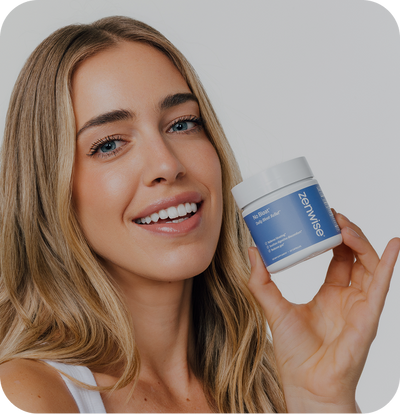
When your clothes start feeling like they’re shrinking in real-time, it’s time for a lifestyle hero. While daily maintenance is crucial, sometimes you need something faster for those "crisis" moments. This is where No Bloat Capsules shine.
Unlike a standard enzyme blend, NO BLØAT® is formulated specifically for fast-acting relief from occasional gas and discomfort. It features:
Keep a bottle of No Bloat Capsules in your bag or glove box. It’s the ultimate backup for when you want to say "yes" to the appetizer without spending the rest of the night wishing you'd stayed home.
One often-overlooked consequence of gallbladder removal is the impact on your gut microbiome. Bile isn't just a digestive fluid; it also has antimicrobial properties. Because the flow of bile into the small intestine changes after surgery, the delicate balance of "good" vs. "bad" bacteria in your gut can shift.
This shift can lead to an overgrowth of certain bacteria, which contributes to increased gas and irregularity. This is why we don't just stop at enzymes. Our Digestive Enzymes include DE111®, a clinically studied, spore-forming probiotic.
Most probiotics are delicate; they often die off in the harsh, acidic environment of the stomach before they ever reach the small intestine. DE111® is different. As a spore-former, it essentially wears a "suit of armor" that allows it to survive stomach acid and arrive in the gut ready to work. For someone without a gallbladder, maintaining this bacterial balance is a critical part of long-term regularity and comfort.
We know that digestive issues don't exist in a vacuum. For women, gut health is intrinsically linked to other areas of wellness, including vaginal and urinary tract health. The hormonal shifts that occur throughout the month can also impact how quickly food moves through your system—a process already complicated by the absence of a gallbladder.
If you’re looking for a comprehensive approach that covers all the bases, our Women’s Probiotics are an excellent addition to your routine. While they support your gut flora, they also contain Cranberry and D-Mannose to promote urinary tract health. It’s about feeling good from the inside out, ensuring that your digestive system isn't the thing holding you back from your busy life.
Let’s look at some common scenarios where Zenwise® can help you navigate your post-surgery world with ease.
You love a heavy Alfredo sauce or a cheesy lasagna, but since your surgery, dairy and fats feel like a heavy weight in your stomach.
You’re busy, you’re running between meetings, and you grab a quick snack that ends up being a bit greasier than you intended. Now, your stomach is grumbling in a mid-afternoon presentation.
You're on a cruise or visiting a new city, and the food is rich, salty, and constant. You’re starting to feel "backed up" and puffy.
While supplements are a powerful tool, they work best when combined with a lifestyle that respects your body’s new digestive pace. Here are a few expert-backed tips for living your best life post-cholecystectomy:
Since you no longer have a "holding tank" for bile, your system is better equipped to handle smaller loads. Instead of three large meals, try five smaller ones. This prevents the "continuous drip" of bile from being overwhelmed.
Not all fats are created equal. While fried foods might be a challenge, your body still needs healthy fats to function. Incorporate avocados, walnuts, and flaxseeds gradually. If you're worried about the reaction, have your Digestive Enzymes ready.
Soluble fiber (found in oats, barley, and some fruits) can help "soak up" excess bile in the digestive tract, which is a common cause of post-surgery diarrhea. Just remember to increase fiber slowly to avoid temporary gas—and maybe keep those Papaya Chewables handy just in case!
Water is essential for every step of digestion. It helps fiber work correctly and ensures that enzymes can move through your system to do their job.
When it comes to gut health, consistency isn't just a "nice to have"—it’s a scientific necessity. Your microbiome is a living ecosystem. If you provide it with enzymes and probiotics one day and skip the next four, you’re not giving those "good" bacteria the stable environment they need to thrive.
This is why we encourage our community to utilize our Subscribe & Save model. When you subscribe to your favorite products—like our best-selling Digestive Enzymes—you don't just get 15% off every order. You also ensure that you never have a "gap" in your routine.
Living without a gallbladder means your body is doing extra work every single day. By making enzymes a permanent part of your pantry, you’re providing the consistent support your liver and pancreas need. At roughly $19–$25 per bottle, it’s an accessible, daily investment in your comfort and food freedom.
At Zenwise Health, we don't think you should have to choose between a delicious meal and feeling good. Our philosophy is simple: "Zenwise. Then Eat.®" Whether you’re recovering from surgery or just trying to navigate a sensitive stomach, we provide the tools to bridge the gap between clinical science and your everyday lifestyle.
You don't need a medical degree to understand that when your gut is happy, you’re happy. By addressing the root cause of post-gallbladder discomfort—the inefficient breakdown of food and the shifting microbiome—we help you reclaim the joy of eating.
"Digestive health shouldn't be a taboo topic. If you're struggling with gas or changes in your bathroom habits after surgery, remember: The Proof Is In The Poop™. Your body is giving you feedback, and adding the right enzymes is often the key to silencing the noise."
So, do you need to take digestive enzymes after gallbladder removal? While everyone's body is unique, the physiological reality of life without a gallbladder makes enzyme supplementation a logical and highly effective choice for many. By providing the lipase your body may be struggling to produce and the probiotics needed to balance your changed bile flow, you’re giving your digestive system the best chance to succeed.
Don't let the absence of one small organ dictate what you can and cannot eat. With the right support, you can move past the bloating and the "menu anxiety" and get back to what matters: enjoying food, family, and life.
Ready to start your journey to better gut health? Head over to the Zenwise Health homepage to explore our full range of solutions. And remember, for the best results and the best value, Subscribe & Save today to get 15% off your order and keep your gut health on track.
1. How soon after my surgery can I start taking digestive enzymes?
While many people find relief by starting enzymes as soon as they reintroduce solid foods, it is always best to consult with your surgeon or healthcare provider. They can provide a timeline based on your specific recovery and ensure that your system is ready for supplementation.
2. Will I have to take enzymes for the rest of my life?
Since the gallbladder does not grow back, the physiological change to your bile flow is permanent. Many people choose to make Digestive Enzymes a permanent part of their routine to maintain consistency. However, some find they only need them during heavy or "trigger" meals.
3. Can I take NO BLØAT® and Digestive Enzymes together?
Yes! Many of our customers use the Digestive Enzymes as their daily maintenance before every meal and keep No Bloat Capsules on hand for those extra-heavy meals or when they feel an occasional flare-up of discomfort.
4. Are there any side effects to taking these enzymes?
Our enzymes are designed to be gentle and supportive. However, as with any change to your diet or supplement routine, some people may experience a brief adjustment period as their gut microbiome shifts. Starting with a consistent daily dose and staying hydrated is the best way to ensure a smooth transition.
These statements have not been evaluated by the Food and Drug Administration. This product is not intended to diagnose, treat, cure or prevent any disease.
Share this article


