


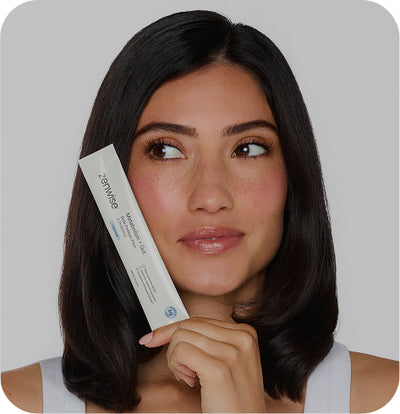


Do Digestive Enzymes Help With Gluten Intolerance?
February 16, 2026
February 16, 2026

We’ve all been there: you’re staring at a restaurant menu, and while the artisan sourdough or the truffle pasta looks like a dream, your brain is already calculating the "cost." Not the price in dollars, but the price your gut will pay two hours later. It’s that familiar "menu anxiety"—the fear that one stray breadcrumb or a hidden splash of soy sauce will lead to your jeans feeling three sizes too tight by dessert. When you live with gluten sensitivity, "food freedom" feels less like a reality and more like a myth. You want to enjoy a meal with friends without the inevitable "food baby" or the desperate search for the nearest restroom.
The question that often arises in these moments of dietary dread is: do digestive enzymes help with gluten intolerance? As the world becomes more aware of non-celiac gluten sensitivity (NCGS) and the general discomfort that can follow a high-carb, grain-heavy meal, people are looking for tools that offer more than just a "wait and see" approach. At Zenwise®, we believe that you shouldn't have to live in fear of your dinner plate. Our mission is simple: "Zenwise. Then Eat.®" We understand that the foundation of your energy, your mood, and your physical comfort starts in the GI tract. After all, "The Key To Good Health Is Gut Health.®"
In this comprehensive exploration, we’re going to dive deep into the science of gluten, why it’s so notoriously hard for the human body to break down, and how specific enzyme blends can support your digestive system. Whether you’re dealing with occasional bloating or looking for a way to manage the fallout of accidental gluten exposure, understanding the role of enzymes is a game-changer for your gut.
To understand if enzymes help, we first have to understand the "enemy." Gluten isn’t just one thing; it’s a complex family of proteins found in wheat, barley, and rye. Specifically, it’s the gliadin and glutenin proteins that give bread its chewy, delicious texture. While they make for a great pizza crust, they are a structural nightmare for your digestive system.
The human body is actually quite bad at fully digesting gluten. This isn’t a personal failing; it’s a biological one. Gluten is rich in an amino acid called proline. Most proteins are like a loose string of pearls that our internal enzymes can snip apart easily. Gluten, however, is more like a tightly knotted nautical rope. The proline bonds create a structure that our natural proteases (protein-digesting enzymes) struggle to penetrate.
For most people, these undigested protein fragments move through the system without much fuss. But for those with sensitivities, these fragments can trigger occasional gas, bloating, and that "heavy" feeling that lingers long after the meal is over. This is where Zenwise Health comes in, bridging the gap between what your body can do and what you want it to do.
Before we go further, we have to talk about the "C" word: Celiac disease. It is vital to understand that gluten intolerance (or non-celiac gluten sensitivity) and Celiac disease are two different animals. Celiac disease is an autoimmune condition where the body’s immune system attacks the lining of the small intestine in response to gluten. If you have Celiac, enzymes are not a "get out of jail free" card to eat a baguette.
However, for the millions of people who test negative for Celiac but still feel like they’ve swallowed a bowling ball after eating a sandwich, you likely fall into the NCGS category. For you, the issue is often a functional one. Your body simply needs a little extra help breaking down those tough protein chains before they reach the lower gut and start causing a scene. Using Digestive Enzymes as a daily ritual can support the normal breakdown of these proteins, promoting better comfort and nutrient absorption.
So, how do these tiny molecular "scissors" actually work? When you take a supplement designed for digestive support, you’re essentially "pre-loading" your stomach with the tools it needs to dismantle food.
The stars of the show when it comes to gluten are proteases. These are enzymes specifically designed to break down proteins. However, not all proteases are created equal. To tackle the proline-rich bonds in gluten, you need specialized enzymes like Dipeptidyl peptidase IV (DPP-IV).
DPP-IV is a specific type of enzyme that has a high affinity for those "nautical knots" we mentioned earlier. It helps snip the gluten proteins into smaller, more manageable peptides. When you incorporate a broad-spectrum supplement like our Digestive Enzymes, you aren’t just getting one tool; you’re getting a "3-in-1" solution that includes enzymes, prebiotics, and probiotics. This comprehensive approach ensures that while the enzymes are doing the heavy lifting of breaking down food, the probiotics are supporting the overall health of your microbiome.
We’ve all had those moments where we know we’re about to overindulge. Maybe it’s a wedding, a holiday dinner, or a trip to an Italian restaurant where the breadbasket is calling your name. In these scenarios, you need something that works fast.
For the person who loves a big meal but hates the "pasta belly" that follows, our No Bloat Capsules are the ultimate lifestyle hero. Unlike a daily maintenance product, NO BLØAT® is designed for "crisis management" or heavy-hitting meals. It features BioCore Optimum Complete, a specialized enzyme blend that eases bloat within hours by targeting the hard-to-digest components of a festive feast.
Imagine you’re out for sushi. You’re being "good"—ordering sashimi and avoiding the tempura. But you don’t realize that the soy sauce contains wheat, or the imitation crab in your roll is held together with wheat starch. An hour later, you’re in the car, unbuttoning your pants because the pressure is unbearable.
In this scenario, your body is reacting to "accidental exposure." Taking No Bloat Capsules immediately can help reduce the occasional gas and discomfort associated with these dietary "oops" moments. By providing a concentrated dose of enzymes like amylase (for starches) and protease (for proteins), you help your body process the intruder before it causes a full-scale digestive rebellion.
While enzymes are the "heavy machinery" of digestion, nature has provided some incredible "support staff" to help soothe the GI tract. In our No Bloat Capsules, we’ve combined clinical-grade enzymes with time-tested botanicals:
This combination is why we often say "The Proof Is In The Poop™." When your system is supported from every angle, things move smoothly, and you feel lighter, more confident, and ready to take on the day—not just head for the couch to nap off a food coma.
If you’re looking for a long-term strategy rather than just a quick fix, you have to look at the whole gut environment. This is why our core Digestive Enzymes formula isn’t just enzymes. It’s a 3-in-1 powerhouse.
Why does the "spore-forming" part matter? Most probiotics are delicate; they die the moment they hit the harsh, acidic environment of your stomach. DE111® is like a tiny tank. It’s built to survive the stomach acid journey, ensuring it reaches your small intestine alive and ready to work. By maintaining a healthy balance of gut flora, you’re supporting your body’s natural ability to handle various foods, including those that might otherwise cause sensitivity.
Gut health isn't a one-size-fits-all situation, and women often face unique challenges. Hormonal fluctuations can impact gut motility, leading to increased bloating and regularity issues. Furthermore, the gut microbiome is closely linked to other areas of feminine health.
For women who want to support their gut while also looking out for their vaginal and urinary tract health, our Women’s Probiotics are a perfect addition to the routine. This formula includes specialized strains of probiotics along with Cranberry and D-Mannose. It’s about creating an ecosystem of wellness that supports you from the inside out. When your gut is happy, your whole body feels the difference.
Sometimes, you don’t want to swallow another capsule. Sometimes, you just want a little something to refresh your palate after a meal while also giving your digestion a nudge. That’s where our Papaya Chewables come in.
Think of these as the "dessert" that actually helps. Papaya contains papain, a natural protease that helps kickstart the breakdown of proteins. It’s an effortless way to reduce post-meal discomfort. Whether you’ve had a slightly-too-large lunch at your desk or a dinner that feels a bit "stuck," these chewables are a tasty, convenient tool to keep in your bag.
Let’s look at how to integrate these tools into your actual life. No one lives in a clinical lab; we live in the world of pizza parties, office donuts, and "I forgot to pack a lunch" gas station snacks.
One of the biggest mistakes people make with gut health is being "hit or miss." Your microbiome is a living colony of bacteria; it thrives on routine. If you only support your gut when things go wrong, you’re constantly playing catch-up.
This is why we are so passionate about our Subscribe & Save program. When you subscribe, you get 15% off every order. More importantly, it ensures that you never run out of your essential enzymes. Consistency is scientifically critical for maintaining a healthy gut microbiome. By making Zenwise Health a permanent part of your pantry, you’re investing in long-term food freedom.
For about $19–$25 a month—less than the cost of one "fancy" avocado toast—you can provide your body with the enzymatic support it needs to handle the modern diet. It’s an accessible, effective alternative to high-priced clinical interventions that often focus on the symptoms rather than the foundational function of your digestion.
Living with gluten intolerance shouldn't mean living with "plate FOMO." It shouldn't mean dreading the dinner table or wearing oversized sweaters just to hide the bloat. By understanding that your body occasionally needs a little help with the heavy lifting of protein digestion, you can reclaim your relationship with food.
Whether it’s the fast-acting relief of No Bloat Capsules or the daily foundational support of our Digestive Enzymes, we are here to partner with you. Remember: "Zenwise. Then Eat.®" You provide the appetite; we’ll provide the enzymes.
Your gut does so much for you—it’s time to return the favor. Start your journey toward better gut health today, and feel the difference that empathetic expertise and high-quality enzymes can make.
1. Can digestive enzymes "cure" my gluten intolerance? No, digestive enzymes do not cure gluten intolerance or Celiac disease. They are designed to support the body's natural digestive processes and help break down gluten proteins more effectively, which can help reduce occasional symptoms like gas and bloating. If you have Celiac disease, you must maintain a strict gluten-free diet.
2. How soon before a meal should I take enzymes? For the best results, we recommend taking your Digestive Enzymes or No Bloat Capsules about 10 to 15 minutes before you start eating. This allows the enzymes to be present in your stomach the moment food arrives.
3. Is it safe to take these enzymes every day? Yes! Our core digestive enzymes are designed for daily use to support long-term gut health and regularity. In fact, consistency is the best way to maintain a healthy microbiome. Many users find that the 15% discount through our Subscribe & Save model makes daily use both easy and affordable.
4. Can I take more than one type of Zenwise enzyme at once? While our products are designed to be comprehensive, many people use them together based on their needs. For example, you might use Women’s Probiotics every morning for foundational health and keep Papaya Chewables on hand for post-meal support. Always consult with a healthcare professional if you have specific concerns about your routine.
These statements have not been evaluated by the Food and Drug Administration. This product is not intended to diagnose, treat, cure or prevent any disease.



