


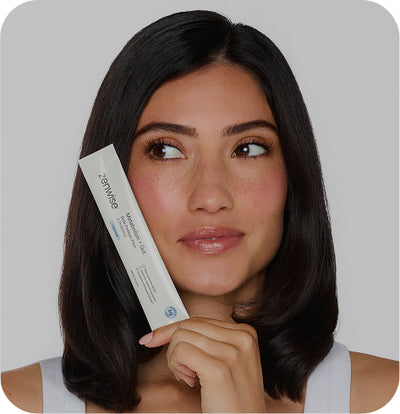


Do Digestive Enzymes Help With Candida? The Honest Truth
February 24, 2026
Use code SUMMER for 20% OFF
Use code SUMMER for 20% OFF
February 24, 2026

We’ve all been there: you’re at a dinner party, eyeing the artisanal sourdough or that gorgeous bowl of pasta, and instead of excitement, you feel a pang of "menu anxiety." You’re already calculating the "food baby" tax you’ll pay later—the tight waistband, the uncomfortable pressure, and the inevitable search for a quiet corner to deal with occasional gas. When your gut feels like an unpredictable science experiment, it’s hard to live in the moment. You might have heard whispers in the wellness world about a common culprit behind these frustrations: Candida albicans.
Whether you’re dealing with occasional bloating that makes your favorite jeans feel like a betrayal or "brain fog" that sets in right after lunch, understanding the balance of your internal ecosystem is the first step toward freedom. In this post, we’re going to dive deep into the relationship between enzymes and yeast balance. We’ll explore the science behind how certain enzymes interact with yeast cell walls, why the "fortress" yeast builds is so hard to crack, and—most importantly—how you can reclaim your digestive comfort. At Zenwise Health (Zenwise®), we believe that "The Key To Good Health Is Gut Health.®" and our mission is to help you get back to a place where you can simply "Zenwise. Then Eat.®"
Before we answer the question, "Do digestive enzymes help with Candida?", we need to understand what we’re dealing with. Candida albicans is a type of yeast that naturally lives in and on the human body. In small amounts, it’s perfectly harmless, hanging out in the mouth, skin, and digestive tract alongside trillions of other microbes.
However, Candida is what scientists call an "opportunistic" organism. This means it’s always looking for an opening to expand its territory. When the delicate balance of your microbiome is disrupted—perhaps by a round of antibiotics, a period of high stress, or a diet high in refined sugars—Candida can pivot from a peaceful resident to an overactive squatter.
When this happens, the symptoms aren't just confined to the gut. Because the gut is the command center for your immune system and your mood (hello, gut-brain axis!), an imbalance can lead to:
At Zenwise®, we like to say "The Proof Is In The Poop™." If your bathroom habits are erratic or your digestion feels "off," it’s your body’s way of signaling that the internal environment needs a little TLC.
One of the reasons people struggle with maintaining a healthy yeast balance is that Candida is incredibly sneaky. It doesn't just sit there; it builds a "biofilm."
Think of a biofilm as a high-tech security system or a protective fortress. It is a sticky, resilient matrix made of sugars and proteins that the yeast secretes to shield itself from your immune system and even from traditional antifungal herbs. Within this fortress, yeast colonies can communicate, share nutrients, and stay protected from the "patrols" of your body’s natural defenses.
This is where the frustration lies. You can eat all the "clean" food you want, but if that biofilm remains intact, the yeast stays protected. This is also why many people find that their symptoms return the moment they stop a restrictive diet. To truly support your gut, you need a way to help your body navigate these protective barriers. This is where enzymes enter the conversation.
So, how exactly do enzymes fit into this picture? To understand this, we have to look at what Candida is actually made of.
The cell wall of Candida is composed primarily of polymers like glucans, chitin, and glycosylated proteins. Interestingly, these are very similar in structure to the tough fibers found in plants. Humans don’t naturally produce high amounts of the specific enzymes needed to break down these particular structures—which is why the yeast can be so persistent.
Cellulase and hemicellulase are enzymes that break down "cellulose" and "hemicellulose"—the rigid fibers that give plants their structure. Because the cell wall of Candida is structurally similar to these fibers, supplemental cellulase and hemicellulase are thought to support the body in breaking down the yeast’s outer defense.
By helping to "digest" the cell wall of the yeast, these enzymes may leave the organism vulnerable, making it easier for your own immune system and beneficial bacteria to do their jobs. Furthermore, these enzymes help break down the fibers in the foods you eat. When fiber isn't properly broken down, it can ferment in the gut, providing a feast for opportunistic yeast and leading to that uncomfortable post-meal bloat. If you’re a fan of high-fiber "pasta nights" but hate the aftermath, keeping No Bloat Capsules on hand is a game-changer for fast relief.
While cellulase goes after the "walls," Protease goes after the "glue." The biofilm we mentioned earlier is held together by a matrix of proteins. Protease is an enzyme designed to break down proteins into their smaller amino acid components.
When taken as part of a comprehensive enzyme blend, Protease helps support the breakdown of the protein components within the biofilm. It also assists in the digestion of the protein within the yeast cell itself. By breaking down these complex proteins, you’re not just supporting digestion; you’re helping to clear out the "debris" that can lead to a sluggish gut and that dreaded brain fog.
We don’t believe in a "one-size-fits-all" clinical lecture. We believe in partnership and lifestyle-friendly solutions. Whether you’re looking for daily maintenance or a "break glass in case of emergency" hero for a heavy meal, we’ve got you covered.
For most people, the secret to a happy gut isn't a temporary "cleanse"—it's consistency. Our Digestive Enzymes are designed to be your daily foundation. This isn't just a simple enzyme pill; it’s a 3-in-1 solution that combines:
By taking these before every meal, you’re ensuring your body has the tools to break down food thoroughly, reducing the undigested "fuel" that yeast thrives on. It’s the ultimate way to support nutrient absorption and regularity every single day.
We’ve all had those days. You’re traveling, you’re at a wedding, or it’s just Friday night and the pizza looks too good to pass up. When you know a meal is going to be heavy, or if you’ve already started feeling that uncomfortable tightness in your chest and belly, No Bloat Capsules are your lifestyle hero.
This formula is specifically designed for fast relief. It includes BioCore Optimum Complete (a powerful enzyme blend), alongside Dandelion Root to help with temporary water retention, and Fennel and Ginger to soothe the digestive tract. It helps flatten the appearance of the stomach by reducing gas and discomfort within hours. Don’t let a "cheat meal" turn into a three-day recovery period.
For women, a yeast imbalance doesn't always stay in the gut. Because of the way the female body is designed, gut health and vaginal health are intrinsically linked. If you find that your digestive issues are frequently accompanied by vaginal discomfort, our Women’s Probiotics are tailored just for you.
This formula supports a healthy gut flora while also promoting urinary tract and vaginal health. It features specialized probiotic strains, alongside Cranberry and D-Mannose, to provide comprehensive support for the unique needs of the female microbiome.
Sometimes you don't need a heavy-duty capsule; you just need a little "nudge" to get digestion moving. Our Papaya Chewables are a fan favorite because they’re tasty, effortless, and effective.
Papain (the enzyme from papaya) is excellent at kickstarting the breakdown of proteins. These are perfect for keeping in your purse or car for those moments when you ate a little too fast and want to prevent post-meal heaviness before it starts. It’s a simple way to stay on top of your gut health without the friction of a clinical routine.
Let’s look at how these solutions play out in the real world.
While we love the power of enzymes, we also believe in being honest. To maintain a healthy balance of yeast like Candida, we have to look at the "Perfect Storm" that allows it to flourish in the first place.
One of the biggest mistakes people make with gut health is "starting and stopping." They take their enzymes for three days, feel better, and then forget about them until the next time they’re doubled over in discomfort.
But here’s the thing: your gut microbiome is a living, breathing ecosystem. It needs constant, steady support to stay in balance. This is why we are such huge proponents of our Subscribe & Save model.
When you Subscribe & Save, you get 15% off every order, but the real value is in the consistency. You’ll never run out, meaning your gut never has to go a day without the support it needs. It’s an accessible, affordable way (usually ranging between $19–$25) to ensure your "gut house" is always in order. No more emergency trips to the store or days spent feeling "blah" because you forgot to reorder.
So, do digestive enzymes help with Candida? The science suggests that by supporting the breakdown of yeast cell walls and their protective biofilms, enzymes can be a powerful ally in maintaining a healthy microbial balance. When you combine the specific power of cellulase, hemicellulase, and protease with the gut-fortifying benefits of probiotics like DE111®, you’re not just managing symptoms—you’re optimizing your entire digestive system.
At Zenwise Health (Zenwise®), we want to help you move past the stigma of gas and bloating. We want to help you stop worrying about where the nearest bathroom is and start enjoying your life again. Because when your gut is healthy, everything else follows. You have more energy, clearer skin, a steadier mood, and most importantly, the confidence to eat what you love.
Remember: "The Key To Good Health Is Gut Health.®" Don’t wait for the next "crisis" to take action. Start your routine today, embrace the power of consistency, and get ready to "Zenwise. Then Eat.®"
1. Can I take digestive enzymes every day, or should I only take them when I feel bloated? While products like No Bloat Capsules are fantastic for occasional "crisis" moments, we recommend taking our standard Digestive Enzymes daily. Taking them before every meal provides consistent support for your microbiome, helping to prevent issues before they start rather than just reacting to them.
2. What’s the difference between probiotics and enzymes? Think of enzymes as the "workers" that physically break down your food into absorbable nutrients. Think of probiotics as the "good residents" that keep the neighborhood peaceful and keep the "bad guys" (like excess yeast) from moving in. Our core Digestive Enzymes formula is a 3-in-1 solution because it includes both, along with prebiotics to feed the probiotics!
3. Why does my stomach feel flatter when I take enzymes? When food isn't broken down properly, it sits in the gut and ferments, which produces gas. This gas causes the abdominal wall to distend—the classic "food baby." Enzymes like cellulase and protease help ensure food is broken down efficiently, which reduces the production of that gas and helps maintain a flatter, more comfortable stomach appearance.
4. How long does it take to see results with enzymes and probiotics? For immediate relief of bloating after a heavy meal, No Bloat Capsules can work within hours. However, for long-term changes in your gut microbiome and yeast balance, consistency is key. Most people notice a significant difference in their regularity and overall comfort after 2–4 weeks of daily use. This is why we recommend the Subscribe & Save option to ensure you never miss a day!
These statements have not been evaluated by the Food and Drug Administration. This product is not intended to diagnose, treat, cure or prevent any disease.
Share this article


