




Can You Take Digestive Enzymes When Pregnant?
March 04, 2026
March 04, 2026

It’s a familiar scene for many expectant mothers: you’ve finally managed to find a meal that sounds appetizing, you enjoy every bite, and then—within thirty minutes—the "pregnancy pooch" feels more like a literal lead balloon. Your favorite maternity leggings are suddenly feeling personal, and the internal pressure makes you wonder if you’ve swallowed a bicycle pump along with your lunch. Between the occasional gas that seems to have a mind of its own and the digestive "slow-down" that makes regularity feel like a distant memory, pregnancy is many things, but "glamorous for the gut" usually isn't one of them.
When your digestive system feels like it’s operating in slow motion, it’s natural to look for relief. You might be wondering, "Can you take digestive enzymes when pregnant?" or searching for anything that can help you navigate a dinner party without having to stealthily unbutton your waistband. At Zenwise®, we believe that The Key To Good Health Is Gut Health.® This philosophy doesn't take a vacation during pregnancy; in fact, it becomes even more vital.
In this comprehensive look at prenatal digestion, we’ll explore how your body changes during these forty weeks, the role of supplemental enzymes, and how you can support your system so you can get back to focusing on your growing baby. Our mission is simple: Zenwise. Then Eat.® We want you to enjoy your food freedom and feel your best, even when your body is busy doing the incredible work of growing a human.
To understand if you should supplement with enzymes, we first have to understand why pregnancy turns even the most "iron-clad" stomach into a sensitive ecosystem. It isn't just in your head—it’s in your hormones.
The primary culprit behind most prenatal digestive sluggishness is progesterone. While this hormone is essential for maintaining a healthy pregnancy and relaxing the muscles of the uterus, it doesn't just stop there. It also relaxes the smooth muscles throughout your entire body, including the walls of your digestive tract.
When these muscles relax, the wave-like contractions (peristalsis) that move food through your system slow down significantly. This "slow-mo" digestion is actually an evolutionary advantage; it gives your body more time to absorb every possible nutrient from your food to support the fetus. The downside? It also leads to occasional bloating, gas, and that "heavy" feeling after eating even small meals.
As your baby grows, your internal organs are quite literally pushed aside. Your stomach and intestines are compressed into smaller spaces, which can lead to early satiety (feeling full fast) and heartburn. When space is at a premium, efficient digestion becomes your best friend. This is where the question of "Can you take digestive enzymes when pregnant?" becomes so relevant for women seeking comfort.
Before we dive into safety, let’s talk about what these little powerhouses actually do. Enzymes are specialized proteins that act as biological catalysts. They take the large polymers in your food (long chains of fats, proteins, and carbs) and "snip" them into smaller, absorbable pieces.
Ideally, our bodies produce all the enzymes we need. However, between the hormonal shifts of pregnancy and the fact that modern, processed diets are often "enzyme-poor," our natural production might need a little backup.
The short answer is: many women do, but you must always consult your OB/GYN or midwife before starting any new supplement during pregnancy. Because every pregnancy is unique, your healthcare provider is the only one who can give you the green light based on your specific health history.
That said, digestive enzymes are generally considered a "structure-function" support rather than a systemic medication. They primarily work within the lumen (the inside) of the digestive tract to help break down food before it’s absorbed.
For the mom-to-be who still wants to enjoy "Pasta Night" without the subsequent "Pasta Regret," Digestive Enzymes can be a game-changer. Our 3-in-1 formula is designed for daily maintenance. It doesn't just offer a broad spectrum of enzymes to handle fats, proteins, and fibers; it also includes prebiotics and probiotics.
When you're pregnant, your body’s demand for nutrients like folate, iron, and calcium skyrockets. If your digestion is sluggish or incomplete, you might not be getting the full benefit of your prenatal vitamins or your carefully planned meals. Supporting your gut with Digestive Enzymes helps ensure that those nutrients are broken down into a form your body can actually use.
Not all enzymes are created equal, and some are more commonly studied in the context of pregnancy than others.
If you find that your tolerance for ice cream or cheese has changed since you saw those two pink lines, you aren't alone. Many women find that their ability to process lactose fluctuates during pregnancy. Using a lactase supplement is a common way to support the breakdown of dairy sugars, helping to reduce the occasional gas and diarrhea that can follow a glass of milk.
Fiber is essential during pregnancy to help keep things moving (if you catch our drift), but high-fiber foods like beans, broccoli, and kale can cause significant gas when your digestion is slow. Alpha-Galactosidase is the specific enzyme that helps break down the complex carbohydrates in these veggies. It can be a lifesaver for the "Symptom-Aware Optimizer" who wants to keep their fiber intake high without feeling like a parade balloon.
You may have heard of women using papaya enzymes to help with post-meal discomfort. Papain (found in papaya) is excellent for breaking down proteins. However, there is a nuance here: unripe papaya contains high levels of latex, which some experts suggest avoiding during pregnancy.
This is why many women prefer a controlled, high-quality supplement like our Papaya Chewables. They offer a tasty, effortless way to kickstart digestion after a meal. It’s the perfect "purse companion" for those times when you’re dining out and want to ensure you don’t spend the rest of the evening in discomfort.
Sometimes, maintenance isn't enough. There are days when the bloat is so intense that you just need fast-acting support. Whether it’s a holiday meal or a particularly heavy dinner, managing occasional bloating is about more than just aesthetics; it's about comfort and confidence.
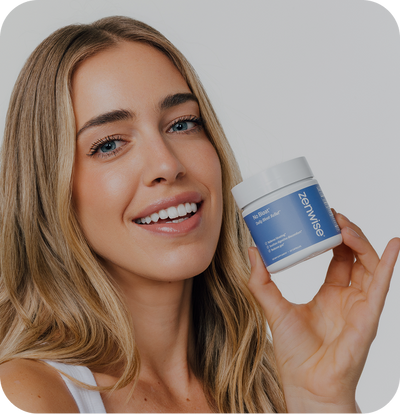
For those "lifestyle hero" moments, we created No Bloat Capsules. This formula is specifically designed to ease bloat within hours. It combines the BioCore Optimum Complete enzyme blend with botanicals like Dandelion Root, Fennel, and Ginger.
If you know you have a big event coming up—perhaps your baby shower or a wedding—keeping No Bloat Capsules nearby can help you stay comfortable in your favorite dress without the "menu anxiety."
While enzymes help with the breakdown of food, probiotics help with the environment of the gut. During pregnancy, the composition of your microbiome changes, and these changes can even impact the baby’s future gut health.
For female-specific support, Women’s Probiotics are an excellent choice. This isn't just about the gut; it’s about a "triple threat" of health:
By keeping your gut flora balanced, you’re creating a foundation for better regularity. And at Zenwise®, we like to say "The Proof Is In The Poop™." Regular, comfortable bowel movements are one of the best indicators that your digestive system is handling the demands of pregnancy well.
You’re at your family’s Thanksgiving or a holiday party. The spread is incredible—turkey, stuffing, creamy casseroles, and three types of pie. In the past, you’d dive in, but now, you’re worried the "food baby" will compete for space with the actual baby.
You’re in your first trimester, and the only thing that stays down is crackers and cheese. But all that dairy and refined starch is leaving you backed up and bloated.
You’re drinking water by the gallon (as you should!), but you still feel constipated.
When we talk about probiotics for pregnant women, "survivability" is the keyword. The stomach is a highly acidic environment, especially if you’re dealing with the increased acid production common in the second trimester. Most standard probiotic strains are fragile; by the time they reach your intestines, they’ve been neutralized.
Our Digestive Enzymes feature DE111® (Bacillus subtilis). This is a "spore-forming" probiotic, meaning it has a natural protective shell that keeps it dormant until it reaches the ideal environment of the gut. This ensures that the "good bugs" you’re paying for actually show up to the party. Consistent use of a reliable probiotic helps maintain the gut lining and supports a healthy immune response—for both you and your little one.
While we love a good supplement, we also know that the best results come from a holistic approach. Here are a few "pro-tips" for the pregnant gut:
Digestion truly does start in the mouth. Saliva contains amylase to begin breaking down carbs. If you’re rushing through your meals, you’re dumping "un-prepped" food into a stomach that’s already operating slowly. Try to chew each bite thoroughly—some say up to 33 times—to turn your food into a smooth paste. This takes the heavy lifting off your stomach and pancreas.
If you’re eating while stressed, scrolling through your phone, or driving, your body is in "sympathetic" (fight or flight) mode. In this state, blood is diverted away from the gut to the limbs. For optimal digestion, you want to be in "parasympathetic" (rest and digest) mode. Take three deep breaths before your first bite. Zenwise. Then Eat.® isn't just a slogan; it’s a practice of centering yourself before you nourish your body.
You need fiber (25–30 grams a day) to prevent the "pregnancy backup," but too much too fast can cause a bloat-fest. Increase your fiber intake slowly and always pair it with increased water. If the fiber is causing gas, that’s exactly where No Bloat Capsules or enzymes containing alpha-galactosidase can bridge the gap.
One of the most common mistakes people make with gut health is "yo-yoing"—taking supplements only when things feel dire. While products like No Bloat Capsules are perfect for crisis management, the real magic happens with daily maintenance.
The gut microbiome is like a garden; it needs consistent watering and weeding. This is why we are so passionate about our Subscribe & Save program. Not only does it make your wellness routine more affordable—offering 15% off every order—but it also ensures you never run out. Keeping your enzyme and probiotic levels steady is scientifically critical for maintaining a healthy gut environment during the massive transitions of pregnancy and postpartum.
Our products are designed to be accessible, generally ranging between $19 and $25. This makes a consistent gut-health routine a realistic alternative to expensive, clinical-only interventions.
The digestive journey doesn't end when the baby arrives. The "postpartum gut" faces its own set of challenges as organs shift back into place and hormones plummet. Many new moms find that continuing their Digestive Enzymes and Women’s Probiotics helps them feel more like themselves during the "fourth trimester."
Supporting your own nutrient absorption is particularly important if you are breastfeeding. Your body will prioritize the baby’s needs in the milk, often at the expense of your own stores. By ensuring you are breaking down and absorbing your food efficiently, you’re looking out for yourself, too.
Pregnancy is a marathon of the highest order, and your digestive system is the engine that keeps the whole operation running. While the "slow-down" caused by progesterone is a natural part of the process, you don't have to suffer through the "uncomfortable, can't-breathe, my-stomach-is-a-balloon" phase of the evening.
Whether you're looking for daily support with our "3-in-1" Digestive Enzymes or quick relief after a celebratory meal with No Bloat Capsules, Zenwise® is here to partner with you. We bridge the gap between clinical science and your everyday lifestyle, because we believe everyone deserves food freedom and a happy gut.
Remember, a healthy pregnancy starts with a well-nourished mom. Take the stress out of your supplement routine by opting for our Subscribe & Save model. You’ll save 15% and, more importantly, you’ll stay consistent with the support your body needs during this incredible time. Your gut—and your baby—will thank you!
1. Can I take digestive enzymes if I’m also taking a prenatal vitamin? Generally, yes! In fact, digestive enzymes can help you better absorb the nutrients found in your prenatal vitamin. Enzymes help break down the food you eat alongside your vitamins, making the entire "nutrient package" more bioavailable to your body. However, always check with your doctor to ensure there are no specific interactions with your particular brand of prenatal.
2. How quickly do products like NO BLØAT® work? No Bloat Capsules are designed for relatively fast relief. Most users notice a reduction in the feeling of tightness and gas within a few hours of consumption. For best results with digestive enzymes, take them about 15–30 minutes before your meal to give the enzymes a "head start" on the food.
3. Are Zenwise® enzymes vegan-friendly? Many of our formulations, including our Digestive Enzymes, are designed to be inclusive of various dietary needs. We use microbial and plant-based enzymes rather than animal-derived ones whenever possible. Always check the specific product label for the most up-to-date ingredient and allergen information.
4. Can I use these supplements while breastfeeding? Many of the same rules for pregnancy apply to breastfeeding. While enzymes work locally in the gut, it is always best practice to consult with your healthcare provider or a lactation consultant before adding supplements to your routine while nursing. Ensuring your gut health is optimal can be a great way to support your energy levels and nutrient absorption during the demanding postpartum period.
These statements have not been evaluated by the Food and Drug Administration. This product is not intended to diagnose, treat, cure or prevent any disease.
Share this article


